
The articlegameplay, story, development, reception
Gameplay
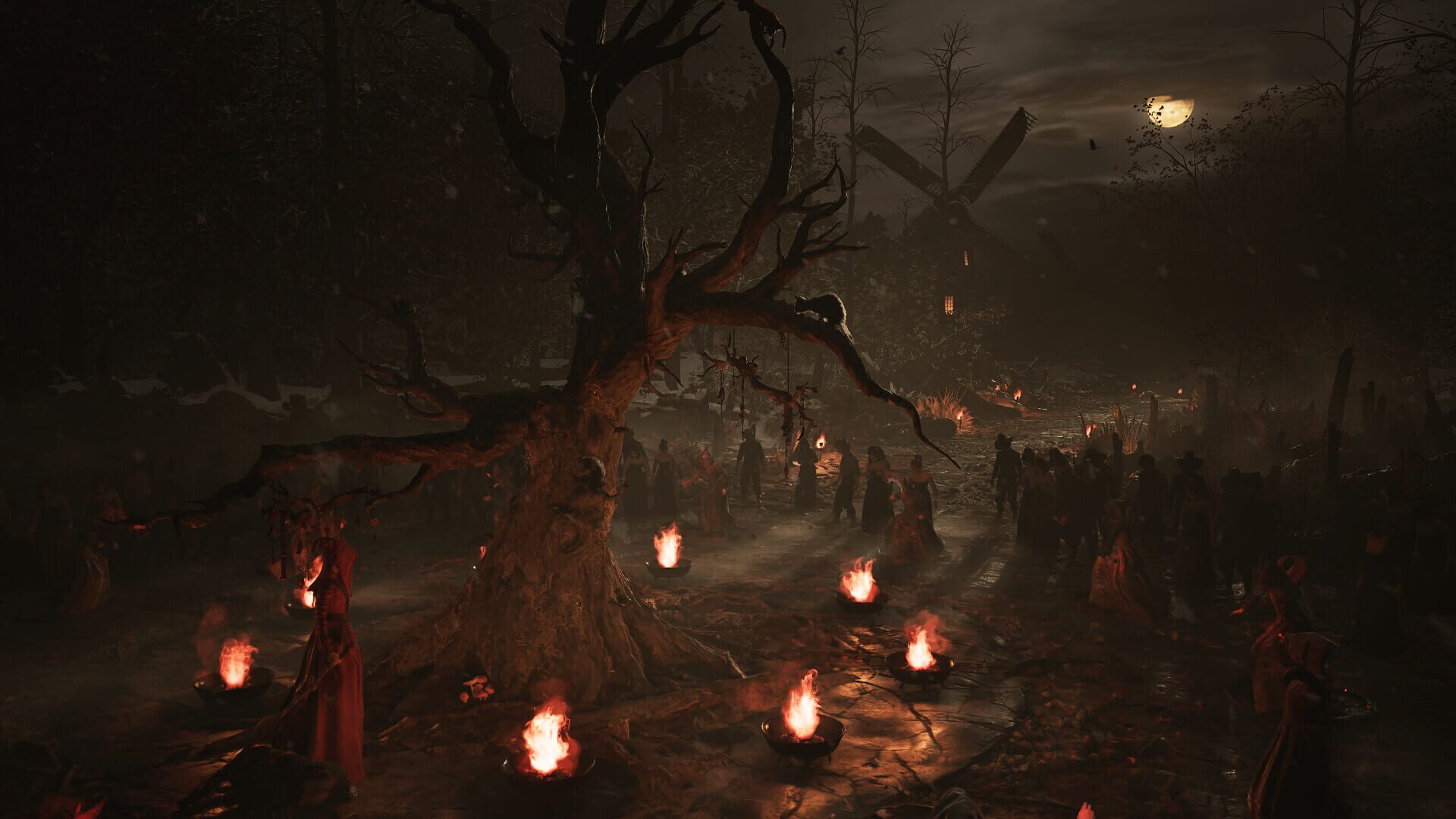
1666: Amsterdam is a third-person action-adventure game featuring exploration, investigation, environmental puzzles, dialogue choices and supernatural abilities. Players explore haunted locations throughout Amsterdam, with decisions affecting character relationships and story progression. Combat combines melee attacks and magic.
The protagonist, Noa Brooklyn, uses a broomstick and spells such as petrification and levitation in combat. She can also use environmental objects against enemies or intimidate them into fleeing. The magic system uses Lux for environmental abilities and the rarer Nux for combat, while her familiar, Aaron, can convert between the two and restore Nux through successful quick time events. Aaron can also enter small spaces, climb surfaces, open doors and influence non-player characters to access restricted areas. A suspicion meter tracks Noa's exposure as a witch and can alert witch hunters to her identity.
Story
Set primarily in Amsterdam during the Dutch Golden Age in 1666, the story follows Noa Brooklyn, a young apprentice apothecary and secret member of the Zaindaris coven. During her initiation in December 1665, she becomes a Collector and chooses a black cat as her familiar. Noa uses witchcraft to investigate demonic entities disguised as humans, hunting supernatural beings known as the Originals.
The narrative spans three periods: 1666, 1999 and the present day. In December 1999, university professor Aaron becomes involved in an occult ritual in Amsterdam that transports his consciousness back in time into the body of Noa's cat familiar. In the present day, Aaron's daughter Clio investigates documents connected to Noa, uncovering links between her father, the witch and events across the three periods.
Development
According to Patrice Désilets, he conceived the idea for 1666: Amsterdam during a visit to Amsterdam in 2011. The project was developed at THQ Montreal, where Désilets worked until the studio was acquired by Ubisoft following THQ's bankruptcy in 2013. Ubisoft subsequently dismissed Désilets and suspended development of the game while retaining its intellectual property rights.
Following a legal dispute with Ubisoft, Désilets regained the rights to 1666: Amsterdam in 2016. That year, he publicly presented early prototype footage of the game. Development later resumed at Panache Digital Games following the release of Ancestors: The Humankind Odyssey in 2019.
Reception
The announcement of 1666: Amsterdam attracted attention due to Patrice Désilets' return to the intellectual property after more than a decade. Game Rant noted similarities between the game's supernatural premise and Ubisoft's upcoming Assassin's Creed: Codename Hexe. The Prologue demo received mixed reactions. Polygon praised its eerie atmosphere and opening sequence but criticized its writing, dialogue, pacing and limited gameplay. Following the demo's release, players discovered AI-generated placeholder assets, prompting Panache Digital Games to apologize and announce plans to replace them with human-made assets.
Pre-release impressions expressed concerns about the game's technical state. GameSpot questioned its readiness for early access, while PC Gamer praised its ideas but criticized their execution. Following the early access launch, critics reported numerous bugs and performance issues, including frame-rate drops. PC Gamer similarly found that the game still required substantial improvements.


