
The articlegameplay, story, development, reception
Gameplay
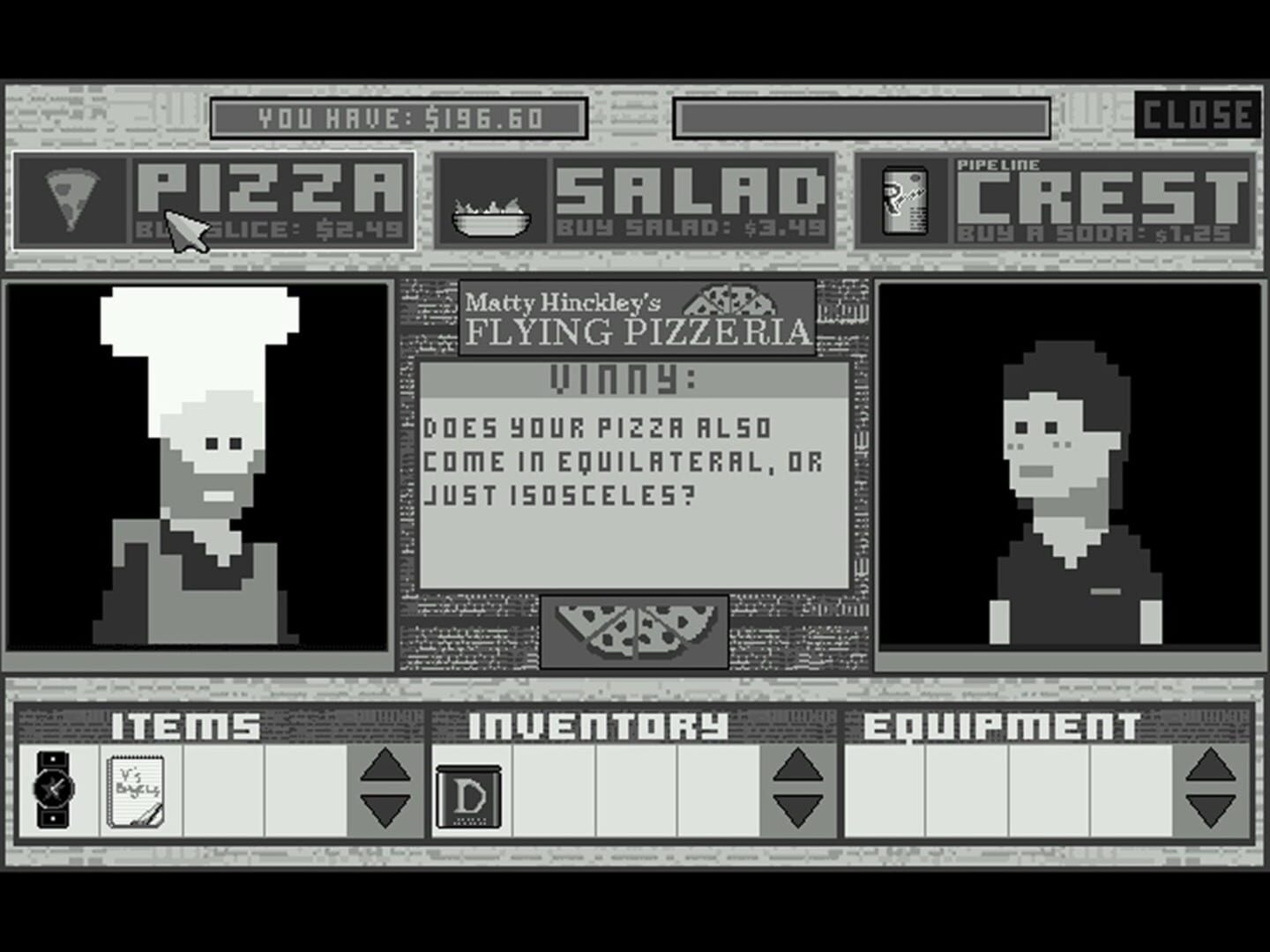
In Cart Life, players control one of three characters, each of whom has a different street vending job; Vinny sells bagels, Andrus runs a newspaper stand, and Melanie sells coffee from a cart. While at their stalls players interact with customers by selling them items and can manage their stall by selecting stock, setting prices, and buying new equipment. Players must also look after the character's day-to-day lives, including having adequate food, drink, and sleep. Each character has unique situations to address; Melanie, for example, is a single mother of a daughter.
When she's not working, she yearns to bond more with her daughter, in the midst of her difficult busy life. She struggles to have time to walk her daughter to and from school each day, as she seeks custody on limited wages.
Development
Richard Hofmeier's inspiration for the game came from aspects of his own work-life experiences, as well as from playing other games like Little Computer People and River City Ransom. He drew inspiration from Han Hoogerbrugge's Modern Living, saying that he thought about it "almost every day" while developing Cart Life. Hofmeier credits his partner with supporting him throughout the game development.
Cart Life is Hofmeier's first game, drawing upon his experience as an illustrator. He developed the game in his spare time using Adventure Game Studio while working what he describes as a "bunch of bad jobs". He initially planned to finish the development in 30 days but he worked on development for three years. He wanted to make a game which had no high scores, points, or action, and originally envisaged it as a comedy.
Reception
Cart Life received "generally favorable reviews" according to the review aggregation website Metacritic
Reviewers commented positively on Cart Life's characters and mechanics. Carolyn Petit of GameSpot described the characters as "wonderfully expressive", particularly because of the attention to small details like eyebrow movements, and having to make tough decisions. In PC Gamer UK's review Alex Wiltshire said the game portrayed "a convincing, empathetic set of portraits." Another well received feature was the game's art style; Ben Lee of Digital Spy found the pixel art to complement the game's portrayal of the mundane aspects of life.


