
The articlegameplay, story, development, reception
Gameplay
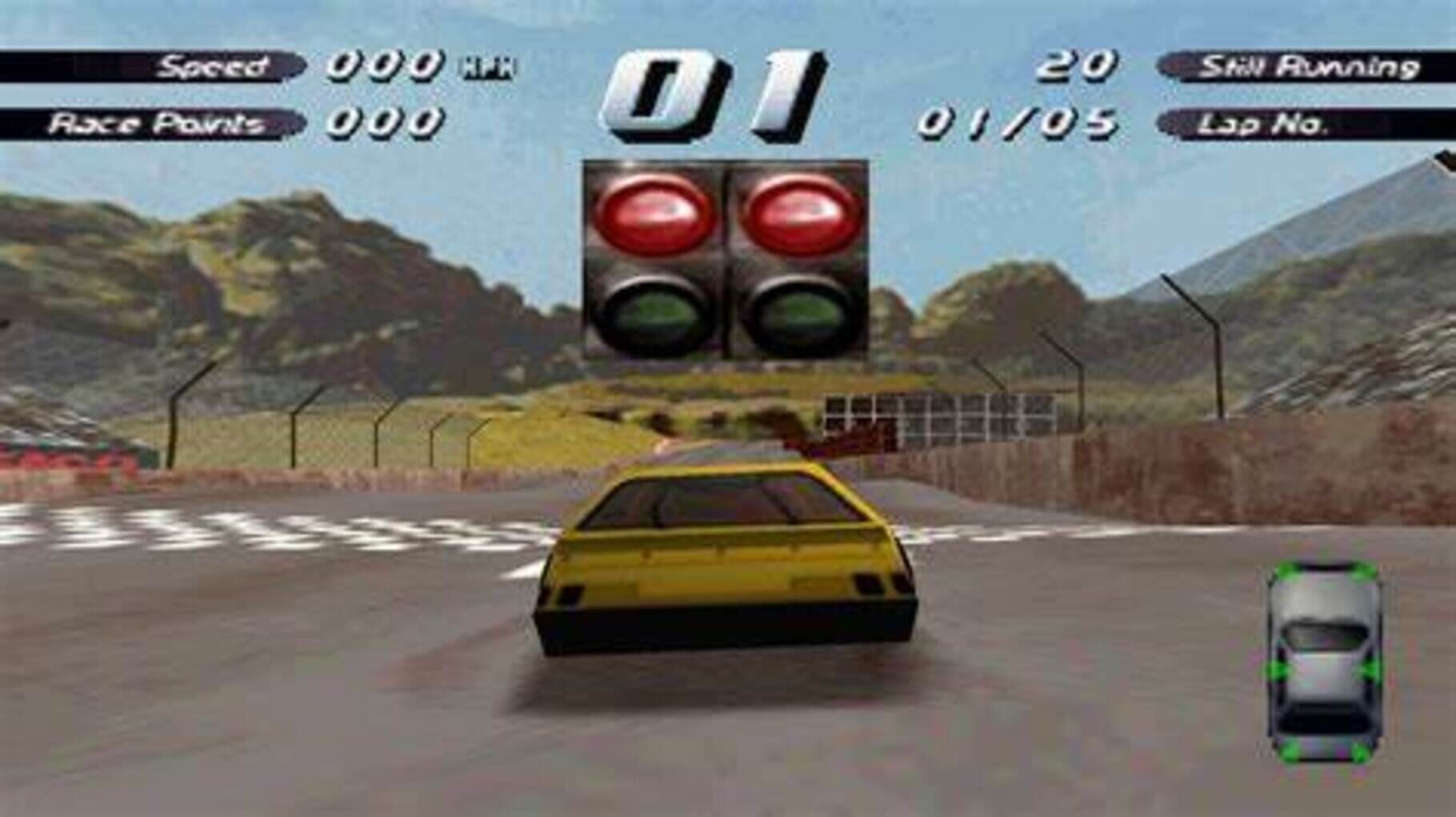
Destruction Derby 2 is the sequel to Destruction Derby. Like the original, players race on one of seven circuits in a range of modes. The modes are Wrecking Racing, in which the goal is to earn points by destroying or spinning the other competitors during the race; Stock Car, a typical race during which cars can still be damaged or destroyed; and Destruction Derby, based around the crash arenas instead of race tracks, in which the goal is to inflict as much damage as possible. A new feature called the pit stop was added to the race tracks, where cars can be repaired. Another major difference from the original game is track obstacles such as jumps and crossovers.
There are also four different game types: Championship, Race Practice, Time Trial, and Multi Player. In Championship, players compete in a league of seasons consisting of four races and, in Wrecking Racing, a Destruction Derby match. In Race Practice, players practise a race, while Time Trials consists of a race against the clock. Multi Player allows up to nine players to race individually. After all have finished, a league table showing their placings is displayed.
Development
The original Destruction Derby was developed in seven months, resulting in a few design flaws and the cutting of several ideas that could not be implemented within that time frame. According to producer Martin Edmondson, Destruction Derby 2 is a rewrite of the original, with only the 2D collision algorithms remaining intact. The engine was rewritten to handle the larger tracks incorporating obstacles such as hills and jumps, while the car dynamics were also redesigned. The collision routines were extended so cars can handle being flipped over. Edmondson stated that Destruction Derby 2 felt like a new game rather than merely a sequel with more tracks.
Edmondson wanted to Americanise the game, as the original had a British banger racing feel. Therefore, the cars were designed to resemble the stock cars used in NASCAR racing, while all the tracks were situated in the United States. Edmondson also wanted appropriate music for American stock car races, so he attended races across the United States, where he noticed that metal music featured prominently. Thrash metal bands Jug and Tuscan were therefore chosen to compose the soundtrack, as some members of the team were involved with them.
Reception
The PlayStation version received positive reviews. Andrew Collins of the Official UK PlayStation Magazine believed the features are "massively improved" over the original, and said its "superbly polished" gameplay made it one of the best PlayStation racing games. His main criticism was that he thought the Destruction Derby Practice mode can make players complacent. The Electric Playground complimented the scenery and damage effects.
Electronic Gaming Monthly's two sports reviewers praised the larger tracks and improved crashes, and both assessed it as "Better in every way than the first game". Johnny Ballgame of GamePro stated that "The original Destruction Derby looks like a mere hubcap compared to the gold-rimmed gameplay and trunkful of new features of Destruction Derby 2." He cited the longer tracks, arena mode, and light sourcing, but gave the game less than perfect scores as he found the announcer grating and judged the worsened steering after crashes to inordinately favor realism over enjoyment. Game Revolution described the Stock Car Racing as "almost perfect", and the tracks as "extremely cool", but criticised the steering sensitivity.


