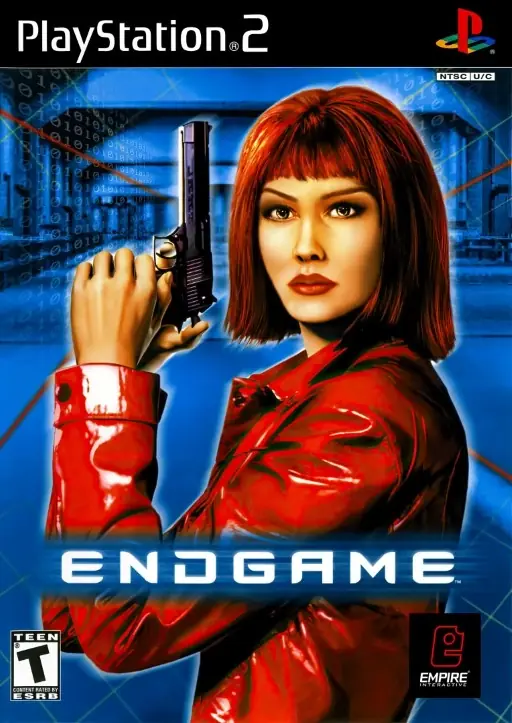
The articlegameplay, story, development, reception
Gameplay
The game is a first-person on-rails shooter using Namco's GunCon light gun controller, in the vein of the Time Crisis series. The player interacts by aiming directly the physical light gun on part of the screen where enemies appear. Like the aforementioned series, the game includes a reload and cover system, which allows the player to avoid enemy fire by ducking behind objects. There are twenty different stages with seven bosses.
Sixteen levels are set in the real world and four in a virtual environment. Between levels there are cutscenes that play. With every level there is a set time limit and if the player is too reckless in their shooting, the game will spawn more enemies in, resulting in the player entering a special mode called, "Hypermode", in this mode the player receives an increasingly amount of health regeneration. The enemies will use cover and hide behind bulletproof shields and non-combative non-player characters are intermingled with enemies.
Story
Set on a near future Earth in 2020, in the game the player controls Jade Cornell, who ends up uncovering a plot by the EuroDream Corporation who wants to use their latest virtual reality technology, called VirtualWorldTomorrow, to control the minds of the general populace. Besides stopping EuroDream, Cornell is also charged with rescueing her friend Tyler, the person who informed her of the plot and who was kidnapped in the opening scene of the game by a EuroDream security team.
Development
Endgame was developed by British game developer Cunning Developments, who were primarily known for their Pro Pinball series of games. The game was published by Empire Interactive, and distributed by Vivendi Universal in North America and in Australia.
Reception
08% on GameRankings. Ryan Davis of GameSpot called the game "very cut-and-dried light-gun game", that failed to make a strong impression. He only recommends to game to people who are already fan of the genre, describing the gameplay as a "Time Crisis clone" with a paper-thin narrative. Douglass C.
Perry of IGN described it as a "stale and uninteresting" game, that lifts almost all of its ideas from Time Crisis, only to create a worse version of it. His only positives were the graphical effects and the numerous breakable objects in the environment.