Ludography
80/100
Players10 ratings
66/100
Critics3 reviews
Ghost in the Shell: Stand Alone Complex (PS2) cover

2004 · Cavia · Shooter

Ghost in the Shell: Stand Alone Complex (PS2)

PlayStation exclusive

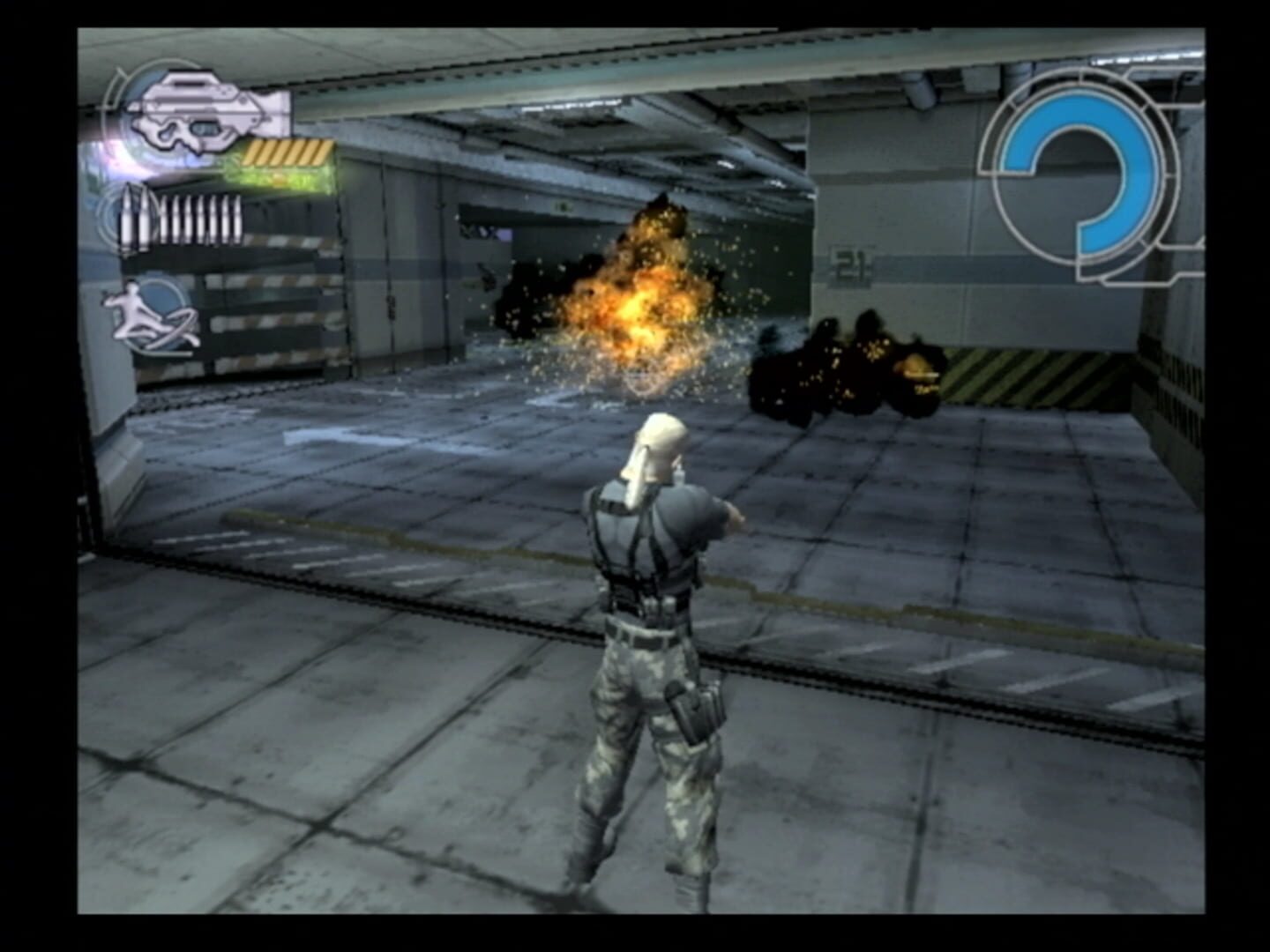
Based on the anime series of the same name, Ghost in the Shell: Stand Alone Complex is a fast-action third-person shooter for up to four players. As "Major" Motoko Kusanagi, Batou, and Tachikoma, you can engage enemies in both multiplayer combat and single-player missions. In single-player mode, your missions involve hacking into machines and computers, controlling your enemies' minds from a distance, and using a variety of weapons to eliminate your enemies. Complete the Story mode to unlock more playable characters, costumes, and additional weapons.

Also known as
Ghost in the Shell: Stand Alone Complex · 2004 Ghost in the Shell: Stand Alone Complex · Kōkaku Kidōtai Sutando Arōn Konpurekkusu · Kôkaku kidôtai: Stand Alone Complex · Gonggak Gidongdae - Stand Alone Complex · Koukaku Kidoutai - Stand Alone Complex · Ghost in the Shell: Stane Alone Complex
Released
4 March 2004
Platforms
PlayStation 2
Genres
Shooter
Developers
Cavia
Publishers
Sony Interactive Entertainment
Modes
Single-player
Perspective
Third person
Themes
Action
Country
Japan
Age ratings
ESRB MACB MA 15+USK 16PEGI 16CERO C
Languages
EnglishFrenchGermanSpanishItalianJapaneseKorean
Time to beat
7hwith extras
Composers
Nobuyoshi Sano

About

Ghost in the Shell: Stand Alone Complex is a third-person shooter video game developed by Cavia and published by Sony Computer Entertainment for the PlayStation 2. It is based on the cyberpunk anime of the same name. The game was released from March 2004 to May 2005, with the game having its own original soundtrack album released 1 day before its Japanese release. It was Sony's second video game based on the franchise, with a previous game for the PlayStation being the first.

›Story

The games take place in the year 2030, between the stories told in Ghost in the Shell: Stand Alone Complex and Ghost in the Shell: S.A.C. 2nd GIG. In the year 2030, cybercrime, espionage and terrorism plague a society lost between humanity and technology. As one of the trusted members of the government organization known as Section 9, Major Motoko Kusanagi must uncover the truth behind a mysterious case known only as T.A.R.

Media

The articlegameplay, story, development, reception

Gameplay

The game's playable characters include Motoko Kusanagi and Batou. Levels are separated along with the two parallel parts of the Section 9 investigation that forms the basis of the storyline, with some sections following Batou's experiences and others recounting Kusanagi's solo journey to the region where the plot appears to originate from. Gameplay uses a third-person perspective, and players use a variety of weapons, including the ability to ghost-hack opponents, in order to progress. Kusanagi's levels tend to require the player to use her agility to progress to a much greater degree than Batou's levels, which tend to feature a focus on more heavy firepower. Media response was generally positive, but reserved, citing the high-quality graphics and enjoyable, action-packed gameplay but noting the slightly awkward controls, lack of any real innovation and the failure to use the license to its full potential, for example not using hacking as a more advanced, useful or integral gameplay feature.

Story

The games take place in the year 2030, between the stories told in Ghost in the Shell: Stand Alone Complex and Ghost in the Shell: S.A.C. 2nd GIG. In the year 2030, cybercrime, espionage and terrorism plague a society lost between humanity and technology. As one of the trusted members of the government organization known as Section 9, Major Motoko Kusanagi must uncover the truth behind a mysterious case known only as T.A.R.

After Section 9 seized the black market of surplus weaponry of the Japan Self-Defense Force in Nihama Port, the suspect died from an unknown reason. During Batou's investigation, he found out the suspect was doing a transport work of a batch of micromachine rice. And then Section 9 traced the track to the old military research complex called "Tohoku Autonomous Region". Therefore, Batou and Motoko infiltrate the facility to reveal the conspiracy behind those rice.

Development

The game was developed by Cavia. A total of 50 developers worked on the game. The game's story was written in 6 months and took 15 months to develop. Masamune Shirow assisted in the conceptual stages of the game.

Cavia wanted the game to be faithful to the original TV series, but also chose a design that allowed them to enhance the personalities of Motoko Kusanagi and Batou. G.

Reception

The game received "average" reviews according to the review aggregation website Metacritic. In Japan, Famitsu gave it a score of two sevens, one eight, and one seven for a total of 29 out of 40. It sold 45,528 copies a week after its release in Japan.

Releases by platformdates and regions as published

Releases by platform
PlatformReleasedRegions
PlayStation 24 March 2004Japan · North America 8 November 2004 · Europe 21 April 2005 · Australia 29 April 2005

Title IDsone per regional release, with its latest update

Title ids and disc serials by release
PlatformTitle IDRegionLatest update
PlayStation 2SCES-53020Europe—
SLES-53020Europe—
SCPS-15064Japan—
SCKA-20027Korea—
SLUS-21006North America—
SLUS-29123North America—
SCAJ-20072——

Box artone per regional release we hold art for

Games like this

Collections1 collection

Platform libraries

Description adapted from its source, CC BY-SA 4.0.