
The articlegameplay, story, development, reception
Reception
The game was met with positive reviews. Critics were particularly pleased with the fluid, lifelike animations, and the simplicity and responsiveness of the controls. In addition, the game was also praised for its strong blend of realism and fun, an aspect which was noted by Kraig Kujawa of Electronic Gaming Monthly. However, the audio was criticized, with the primary complaints being the inconsistency of the announcer and the annoying clicking sound which accompanies players moving down the field. In Japan, Famitsu gave it a score of 26 out of 40.
Next Generation was generally positive to the game. Although the magazine commented that the game cannot be compared with Worldwide Soccer '97 for Sega Saturn in terms of graphics and controls, they appreciated the pace and strategy of the game, and ultimately recommended the game for PlayStation owners. GamePro concluded that it comes in second to FIFA 97, but recommended players rent both games to see which one better suits their tastes. In Absolute PlayStation, Martin gave it an 86% and called it "the first soccer game on PSX that has the correct balance between superb graphics and intuitive controls", while co-reviewer Adam gave it an 8/10 and praised the players for being easily recognizable despite the absence of a players' license.
Legacy
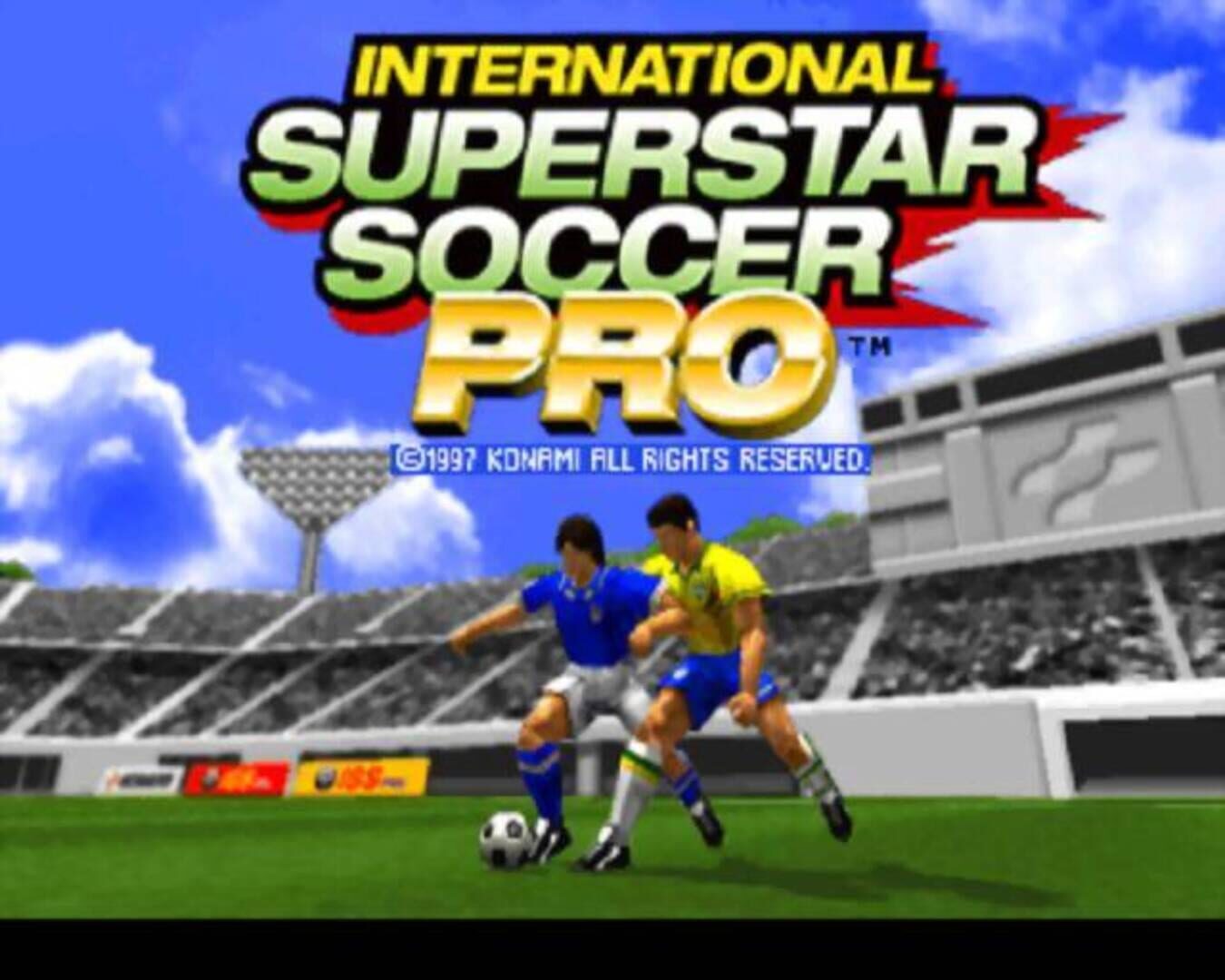
International Superstar Soccer Pro was considered a "game-changer" for football games, which had been largely dominated by rival FIFA on home systems for the last several years. Developed by Konami Tokyo, ISS Pro introduced a new 3D engine capable of better graphics and more sophisticated gameplay than its rival. Whereas FIFA had a simpler "arcade-style" approach to its gameplay, ISS Pro introduced more complex simulation gameplay emphasizing tactics and improvisation, enabled by tactical variety such as nine in-match strategy options. It spawned the Pro Evolution Soccer (PES) series, which became known for having "faster-paced tactical play" and more varied emergent gameplay, while FIFA was known for having more licenses.
In the late 2000s, EA responded by borrowing gameplay elements from PES to improve FIFA, which eventually pulled ahead commercially by a significant margin in the 2010s and emerged as the world's most successful sports video game franchise. The rivalry between FIFA and PES is considered the "greatest rivalry" in the history of sports video games.


