
The articlegameplay, story, development, reception
Development
Julio Kaplan, chessplayer, computer programmer, and owner of the company Heuristic Software, first developed Heuristic Alpha in 1990–91. The original version evolved into Socrates with the help of other chess players and programmers including Larry Kaufman and Don Dailey, who, later, were also developers of Kasparov's Gambit.
Improvements to Socrates were reflected in a version called Titan, renamed for competition as Socrates II, the most successful of the series winning the 1993 ACM International Chess Championship. During the course of the championship, Socrates II, which was running on a stock 486 PC, defeated opponents with purpose-built hardware and software for playing chess, including HiTech and Cray Blitz.
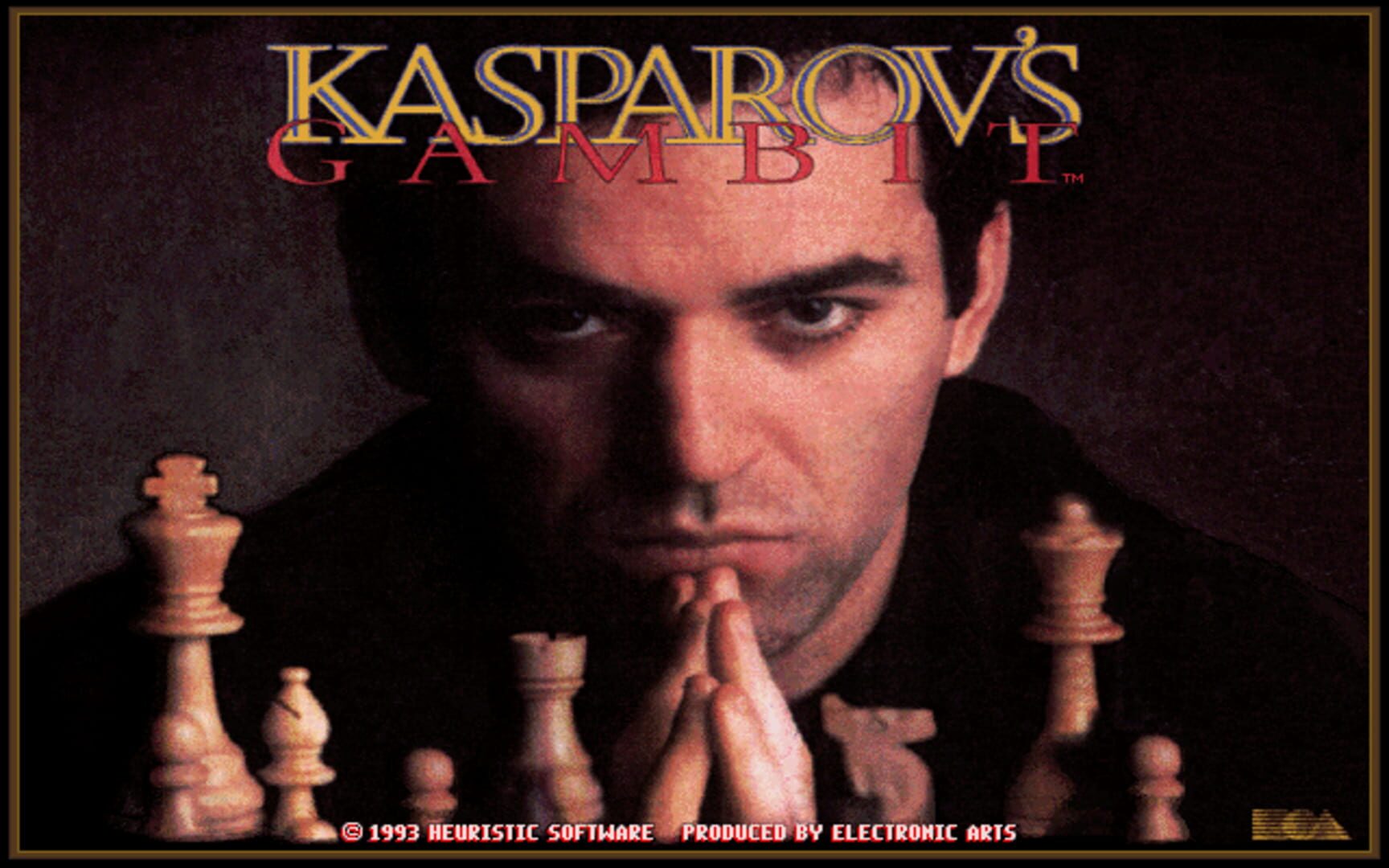
Electronic Arts purchased Socrates II and hired its creators to build a new product, Kasparov's Gambit, including Kasparov as consultant and brand. It was the company's effort to enter the chess programs market, dominated at the time by Chessmaster 3000 and Blitz. In 1993 it went on sale, but contained a number of bugs, so was patched at the end of that year. The patched version ran at about 75% of the speed of Socrates II which was quite an achievement considering the whole functionality of the software was sharing the same computer resources.
In 1993, it competed in the Harvard Cup (six humans versus six programs), facing grandmasters who had ratings ranging from 2515 to 2625 Elo. It finished the competition in 12th and last place. Grandmasters took the first five places and another Socrates derivation – Socrates Exp – was the best program finishing in 6th place.
According to team developer Eric Schiller, a Windows version was planned by Electronic Arts, but was never finished. Electronic Arts had earlier produced the chess variant Archon: The Light and the Dark (1983), and later followed up with Battle Chess II: Chinese Chess (2002) and Jamdat Mobile's Kasparov Chessmate (2003).
Reception
Computer Gaming World in 1993 approved of Kasparov's Gambit's "stunning" SVGA graphics, Socrates II engine, and coaching features, concluding that it was "above any PC game on the market". It was a runner-up for the magazine's Strategy Game of the Year award in June 1994, losing to Master of Orion. The editors called Kasparov's Gambit "beautifully crafted", a "great teacher" and "a chess game for the 'rest of us.'" It holds the 145th place in Computer Gaming World's 1996 list of 150 Best Games of All Time.


