The articlegameplay, story, development, reception
Reception
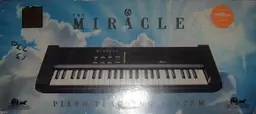
The Miracle system failed commercially with its high price of US$299–US$419 (equivalent to US$666–US$934 in 2025, depending on format), but it was overall well received by critics.
Computer Gaming World liked the Miracle system's games and graphics, describing them as "not only entertaining and challenging, but they are also cleverly designed to reinforce the lessons". The magazine concluded, "everything that Software Toolworks promises about this system is true [but] there is still no substitute for parental involvement". David Wesley and Gloria Barczak mentioned that the system was praised by educators and that in 1990 it was the highest-rated third-party NES title by Nintendo's software review team. It was not well-suited to average gamers who lacked musical experience or who were not highly committed and dedicated to undertaking long-term electronic piano learning.
PC Magazine mentioned the system as being easy to use and likely more patient than a live piano teacher though the system did not cover certain aspects of piano playing such as hand position. The game was reviewed in the Oppenheim Toy Portfolio Guide Book where the authors described it as "by far the highest use a video-game machine has ever been put to".
NPR personality Noah Adams begins his 1997 memoir Piano Lessons attempting to teach himself how to play through the use of Miracle for PC software, ultimately finding greater success by taking more traditional lessons.