Ludography
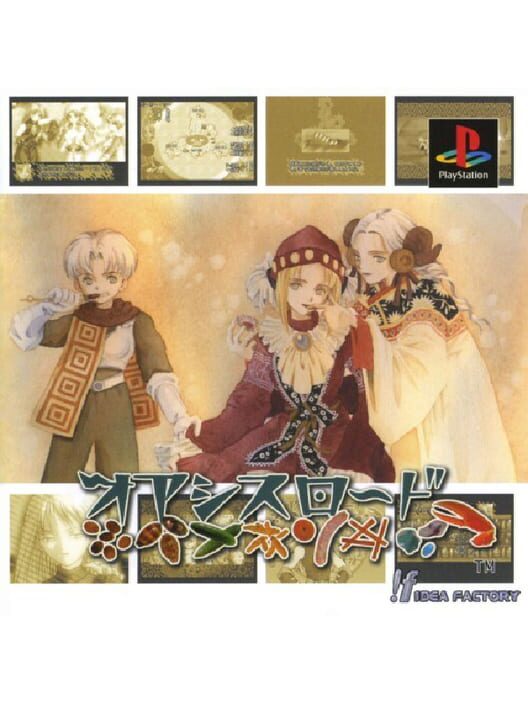
Neko Zamurai cover

1999 · Aim at Entertainment · Role-playing

Neko Zamurai

PlayStation exclusive

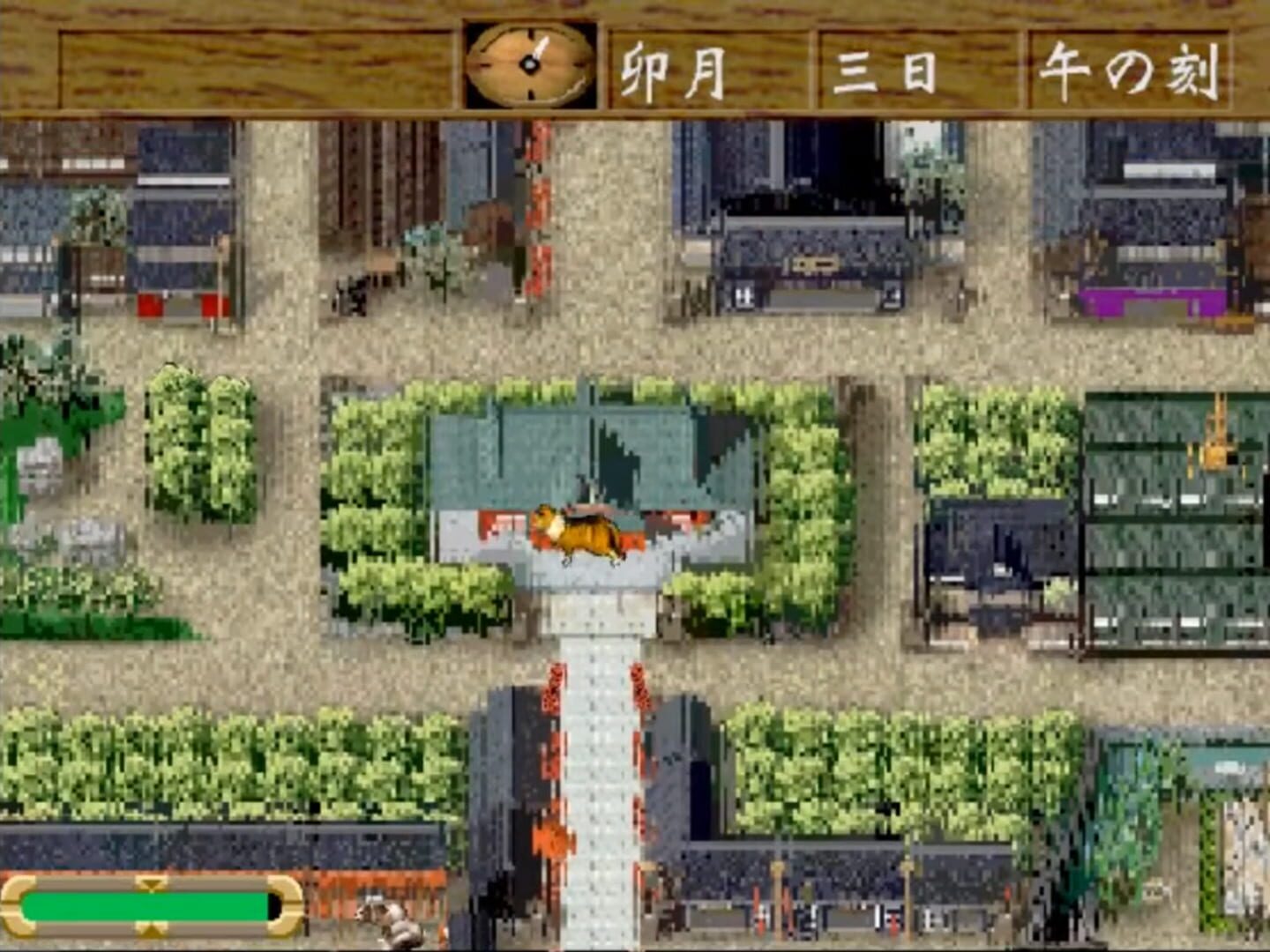
Neko Zamurai places players in an old Japanese town set in the Edo period to enjoy multi story plots consisting of over 150 scenarios and featuring over 100 characters.

In the conversation screen that forms the main part of gameplay, real time mime motion is adopted with the use of face tracker to give detailed and rich facial expressions to characters.

Also known as
NEKOZAMURAI · 猫侍 (DISC 1) · 猫侍 (DISC 2) · 猫侍 (DISC 3)
Released
4 March 1999
Platforms
PlayStationPlayStation 3PlayStation Portable
Genres
Role-playing
Developers
Aim at Entertainment
Publishers
Human EntertainmentHamster Corporation
Modes
Single-player
Perspective
Bird view / Isometric
Themes
FantasyHistorical
Age ratings
CERO B
Languages
Japanese

About

Human Corporation (Japanese: ヒューマン株式会社, Hepburn: Hyūman Kabushiki Gaisha), often doing business as Human Entertainment, was a Japanese video game developer and publisher founded in 1983. The company produced games for a number of platforms, including home consoles, portable consoles, and personal computers. Human declared bankruptcy in 2000 and disbanded. Its former members went on to form new companies including Nude Maker, Sandlot, Spike, and Grasshopper Manufacture.

The company is known for originating the popular Fire Pro Wrestling series, as well as other sports games such as Formation Soccer and Final Match Tennis, and racing video games such as Human Grand Prix and Fastest 1. They are also known for developing the first music rhythm video game, Dance Aerobics (1987), the 3D open world game Mizzurna Falls (1998), and some early horror games including the Twilight Syndrome and Clock Tower series.

Keywords

  • anime
  • playstation network
  • digital distribution
  • psone classics
  • playstation tv support
  • backwards compatibility

Media

The articlegameplay, story, development, reception

Development

Originally, Human was two different entities known as TRY Corporation and Communicate, Inc. until the two merged into one as Sonata. The company then changed its name into Human Corporation in 1989 and later started a division called Human Creative School, where their students would start out developing video games. One example of its efforts was for the Famicom game Egypt. In addition, the company also had an in-house sound team known as HELP.

On November 1, 1999, Human Corporation began to negotiate restructure with Tokyo Hachiōji district court over the approximately 4 billion yen outstanding debt. As part of the deal, the game creator school subsidiary was to be transferred. At the same time, the rights for the Fire Pro Wrestling series, Twilight Syndrome series, and Bakusou Dekotora series went to Spike Co., Ltd.

In January 2000, Human Corporation declared bankruptcy for failing to negotiate for a restructuring deal over the 3.79 billion yen (as of November 1999) outstanding debt.

Former Human members went on to form different development teams including Nude Maker, Sandlot, and Spike, and notable member Goichi Suda formed his own company, Grasshopper Manufacture, with former members.

Releases by platformdates and regions as published

Releases by platform
PlatformReleasedRegions
PlayStation4 March 1999Japan
PlayStation 3Digital Compatibility Release11 November 2009Japan · Asia 27 November 2009
PlayStation PortableDigital Compatibility Release11 November 2009Japan · Asia 27 November 2009

Title IDsone per regional release, with its latest update

Title ids and disc serials by release
PlatformTitle IDRegionLatest update
PlayStationNPHJ00129Asia—
NPJJ00301Japan—
SLPS-01543Japan—
SLPS-01543-0Japan—
SLPS-01544Japan—
SLPS-01544-1Japan—
SLPS-01545Japan—
SLPS-01545-2Japan—

Games like this

Collections2 collections

Description adapted from its source, CC BY-SA 4.0.