
1997 · Fill in Cafe / Kool Kizz Amusement Works · Beat 'em up · Science
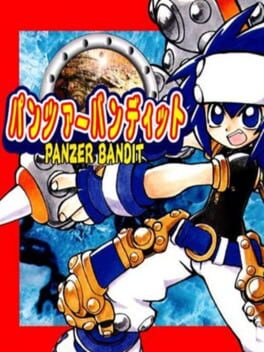
Panzer Bandit
PlayStation exclusive
Full of magic and mecha fighting action takes place in a different world turns. Set in 2D with depth of field, with a comical action Ri Gemasu melee battle finishing moves and colorful quirky characters who are in disarray. In addition to story mode, and up to four people can play simultaneously mode also comes with VS.
- Released
- 7 August 1997
- Platforms
- PlayStationPlayStation 3PlayStation Portable
- Genres
- Beat 'em upScience
- Developers
- Fill in Cafe / Kool Kizz Amusement Works
- Publishers
- Banpresto
- Modes
- MultiplayerSingle-player
- Perspective
- Third personSide view
- Themes
- Action
- Country
- Japan
- Languages
- Japanese
About
Panzer Bandit is a video game developed by Fill-in-Cafe and published by Banpresto for the PlayStation in 1997 and for PlayStation Network in 2011, exclusively in Japan.
›Story
In the world of Panzer Bandit, sources have since gone scarce with the reduction in energy that is consistently used by humans. For this, an organization called Arc, led by the evil Prof. Fuarado, seek to manipulate the consumption of preserved energy and ultimately conquer the world with that in possession. For the course of the game, four heroes are required to take the preserved energy before Arc and ultimately, destroy whatever is left of Arc.
An evil robotic army invades city after city and nothing seems to stop them, that is until fighting hero Kou and his band of heroes decide to put the hurt on the invading forces and set off in a quest to liberate each city and finally destroy their flying robotic whale HQ.
Keywords
- playstation network
- shared screen
- digital distribution
- psone classics
- playstation tv support
- backwards compatibility
- japan only
- multitap support
Media
The articlegameplay, story, development, reception
Gameplay
Panzer Bandit is a side-scrolling beat 'em up game that uses the same engine used in Mad Stalker: Full Metal Forth, also for the PlayStation. There is a total of 12 characters, including the four story characters and the eight unlockable bosses. The game is controlled with two attack buttons (strong and weak) and the directional pad for moving left, right, crouching, and jumping. Shoulder buttons can also be used to change between foreground and background and can be used to activate the character's special attack.
An unusual aspect of the game is that if the player stands still during an attack, it is considered a guard. Other features include a combo counter and a guided elemental attack which launches an enemy.
Story
In the world of Panzer Bandit, sources have since gone scarce with the reduction in energy that is consistently used by humans. For this, an organization called Arc, led by the evil Prof. Fuarado, seek to manipulate the consumption of preserved energy and ultimately conquer the world with that in possession. For the course of the game, four heroes are required to take the preserved energy before Arc and ultimately, destroy whatever is left of Arc.
Development
Panzer Bandit is based on Axion, an unreleased fighting game for the Mega Drive under development by Treasure before being reworked into Yu Yu Hakusho Makyō Tōitsusen. The music was composed by Kenta Watanabe.
Reception
Initial reviews for Panzer Bandit were positive. Consoles + favorably compared its gameplay to Capcom's Final Fight games, enjoying its action-filled gameplay and sense of humor. Though they felt the stages were too short and its multiplayer mode became unnecessarily chaotic, they felt these issues were surpassed by the game's overall quality. These sentiments were mirrored by Superjuegos, which also enjoyed the variety of its characters.
The magazine also praised the game for sticking out from Banpresto's other titles, such as its anime licenses and Super Robot Wars series. Multiple critics pointed out similarities between Panzer Bandit and Treasure's Guardian Heroes (1996); GameFan believed Banpresto's offering was different enough to make it stand out, and showed enthusiasm towards its combat and enemy juggling mechanics.
Releases by platformdates and regions as published
Title IDsone per regional release, with its latest update
Games like this
 Timed SNK64
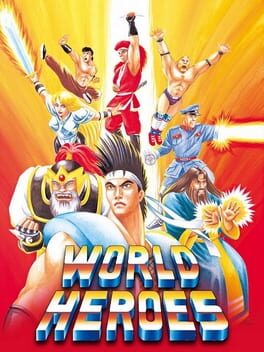
World Heroes
1992 · Arcade, Neo Geo +9
Shared screen · Often paired
 PlayStation exclusive
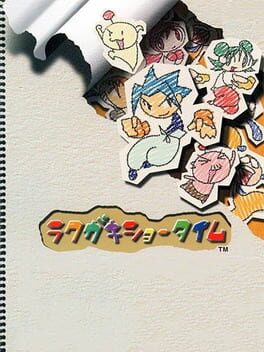
Rakugaki Showtime
1999 · PlayStation, PlayStation 3 +1
Shared screen · Often paired
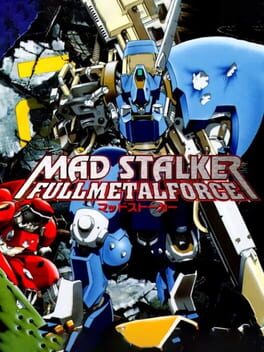
Mad Stalker: Full Metal Force
1994 · Remake · FM Towns, PlayStation +4
Beat 'em up · Shared screen
 PlayStation exclusive70
Poy Poy
1997 · PlayStation, PlayStation 3 +1
Shared screen · Often paired
 PlayStation exclusive
Real Bout Garou Densetsu Special: Dominated Mind
1998 · Expanded · PlayStation, PlayStation 3 +1
Shared screen · Often paired
 Timed SNK73
Super Sidekicks
1992 · Arcade, Neo Geo +6
Shared screen · Often paired
 PlayStation exclusive
The Rapid Angel
1998 · PlayStation, PlayStation 3 +1
Beat 'em up · Shared screen
- PlayStation exclusive
Rapid Angel
1998 · PlayStation, PlayStation 3 +1
Beat 'em up · Shared screen
Collections2 collections
Platform libraries
Description adapted from its source, CC BY-SA 4.0.