
The articlegameplay, story, development, reception
Gameplay
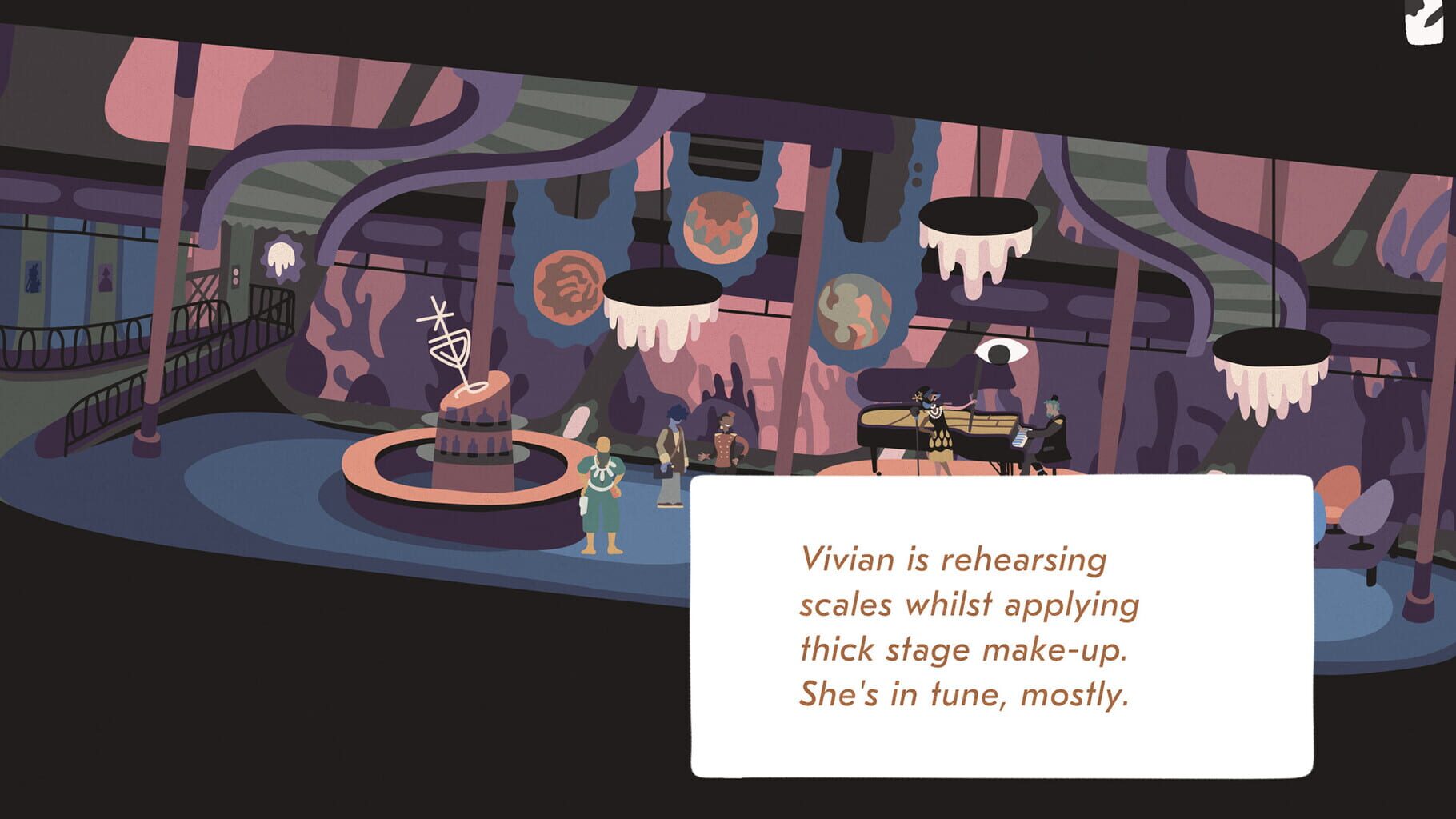
Saltsea Chronicles is an adventure game set in a flooded, post-apocalyptic world. The player, controlling an ensemble cast of characters, must sail to islands and investigate the mystery behind their captain's disappearance. The game is divided into 12 chapters, with the player exploring an island in each chapter. In each chapter, the player must bring a designated character, and select a secondary crewmate to accompany them.
Each island has their own unique culture and characteristics. As players progress in the game, they will need to make various decisions (often binary) that may influence the narrative of the game. After completing a chapter, the player will return to the ship, where they can choose their next destination. The game features a branching save system that allows players to make alternate decisions.
Development
The game was developed by Die Gute Fabrik, the studio behind Mutazione. Development of the game began in January 2020, and lasted till October 2023. The team envisioned the game as a "ensemble cast-driven game". Crew members in the game are not considered to be party members.
According to creative lead Hannah Nicklin, players are discouraged from role-playing and making decisions based on a character's morals and experiences. Each character in the game represents a unique community, and the game wanted to "explore how individuals shape communities, as well as how individuals are shaped by communities in turn". Each individual's relationship with other characters and their community changes as the player made various decisions. This ultimately became "issues" that players can choose to resolve.
Reception
Saltsea Chronicles released "generally positive reviews" upon release, according to review aggregator Metacritic.
Christian Donlan from Eurogamer gave the game a perfect score, describing it as "evocative". He enjoyed the choices featured in the game for making each player's experience unique, and liked how the game framed decisions as small, "instinctive" choices which ultimately can generate unforeseen impacts. Heather Wald from GamesRadar praised the characters in the game, describing them as "real and relatable", and liked how the game handled the "issues" system, which accurately portrayed disagreements when individuals with distinct ideals and personality are required to collaborate together. Sarah Maria Griffin from The Guardian strongly praised the game and concluded her review by writing that it helped push "the medium of the narrative game to new horizons". She praised the game's diverse cast of characters and the unique culture of each island.


