
The articlegameplay, story, development, reception
Gameplay
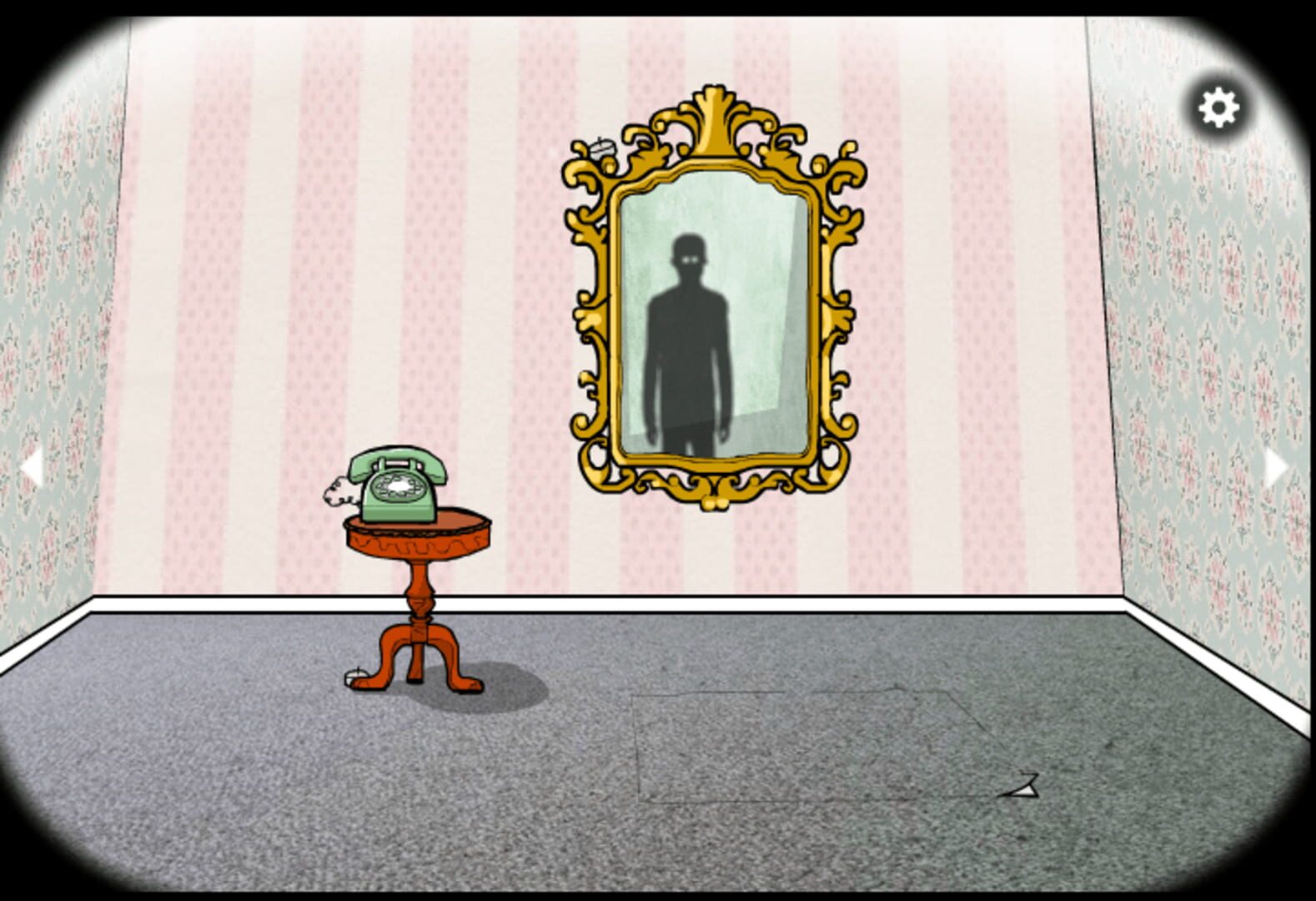
All games of the Rusty Lake and Cube Escape series revolve around solving point and click puzzles, navigating different 2D environments with different interior and collecting and storing certain items in the inventory slots to use them later. Sometimes games might include dialogues and cutscenes, as well as secret endings beside the main ones.
Story
Games in the Cube Escape series examines the mysteries of Rusty Lake, the life and family history of Laura Vanderboom, and their impact on one another. As players explore the games they learn of the existence of anthropomorphic godlike beings and corrupted souls, as well as various types of memory cubes, each of which serves a different purpose. Entries in the series follow multiple protagonists; Laura serves as the protagonist for the first two entries while subsequent entries follow Vincent Van Gogh, her parrot Harvey, Detective Dale Vandermeer, and the anthropomorphic Mr. Crow.
Rusty Lake series tells about the earlier events before Cube Escape, explaining the identity of Laura and deepening the understanding of the events and the magical mechanisms behind the series. Rusty Lake: Roots and its prequel Servant of the Lake are focused on the story of the Vanderboom family and its ancestor Mr. Crow; Paradise and Hotel are focused on the neighbouring family of Eilander, as well as the identity of Mr. Owl - one of its members. Most games of the series involve supernatural events such as reincarnation and collection of memory cubes, bearing some similarities with religious motifs of Buddhism and Christianity.
Development
Development on the Rusty Lake universe began in 2015. Looise and Ras had previously worked together on several flash games based on current events, which Looise reported were moderately successful but were quickly forgotten. The pair wanted to create games that would have more lasting impact. While developing the concept the two decided to set the works within a shared setting where "anything could happen" and chose the name Rusty Lake, as they wanted a "mysterious name" for both the setting and for their studio, which would share the same name. The name was influenced by David Lynch's Twin Peaks, which the developers saw as an influence along with point-and-click adventure games such as Myst and Monkey Island as influences.
The studio released the first official game in the Rusty Lake universe, Cube Escape: The Lake, in 2015. As Looise and Ras had not developed enough of a fanbase to ensure the success of The Lake, the two chose to release it as a free game as they were worried that it would be overshadowed by other paid games. The game was received favourably and three more Cube Escape games were released that same year. Later, the duo released Rusty Lake Hotel, the first of four games in the main Rusty Lake series, along with Roots and Paradise, all intended to be playable without experiencing any of the other games in the series while still expanding the overall universe. In 2018, Cube Escape: Paradox was released, alongside with a short film, bearing the same name; both game and film are telling the story of a detective Dale Vandermeer, mysteriously stuck in his memories and locked inside the territory of the Rusty Lake.
A remake of an earlier game, Samsara Room, was released in 2020. While the initial version was not explicitly created as part of the Rusty Lake series, the remake included changes to include it. As of 2025 there are currently 19 published games in the Rusty Lake shared universe, 11 of which are Cube Escape games. In 2025 a short film, The Intern, was released to coincide with the 2025 release of The Mr.
Rabbit Magic Show. A 20th entry in the game universe, as well as 4th official game of the Rusty Lake series, Servant of the Lake, was released on August 13, 2026.
Reception
Critical reception for games in the Rusty Lake series has been mixed to favourable. Review aggregate Metacritic shows generally favourable reviews for Rusty Lake: Roots and The White Door, while Rusty Lake Hotel and The Past Within both have mixed or average reviews.
Multiple outlets have commented upon the series' mythos, with some stating that players will need to experience all of the available games in order to better understand the larger storyline of the Rusty Lake universe. Common elements of praise for the series centres upon its artwork and atmosphere, which has received praise from outlets such as Rock Paper Shotgun, Pocket Gamer, and PC World, the last of which felt that the series as of Rusty Lake Paradise was "unparalleled as far as surreal horror goes". Common elements of criticism have focused on the user interfaces for some entries in the series, as reviewers noted that the interface for Rusty Lake Hotel would pose issues for mobile users while others noted the opposite for Rusty Lake: Roots. The series' puzzles have received both positive and negative reception, as reviewers have praised the variety of puzzles while remarking that some puzzles are filler. Multiple reviews have mentioned Lynch's influence on the series; a reviewer for Kotaku felt that the series' overuse of this is a weakness, but that over time the series has "established so many of its own distinctive themes that crop up throughout, giving that sense of timelessness to a collection of games that can be set a hundred years apart."
The developers have commented upon the series' fan following, stating that they have occasionally used the community's fandom pages to look up information about the Rusty Lake series. They have also complimented the players on their puzzle savvy after the community discovered and began playing the ARG based on The White Door prior to its launch.


