The articlegameplay, story, development, reception
Development
Due to the popularity of pen-and-paper nonogram puzzles at the time in Japan, Makoto Nakayama, founder of Jupiter Corporation, pitched a video game version of nonograms to Nintendo. Since Jupiter had little experience in game development, Ape Inc. (known now as Creatures Inc.) assisted with the game's development.
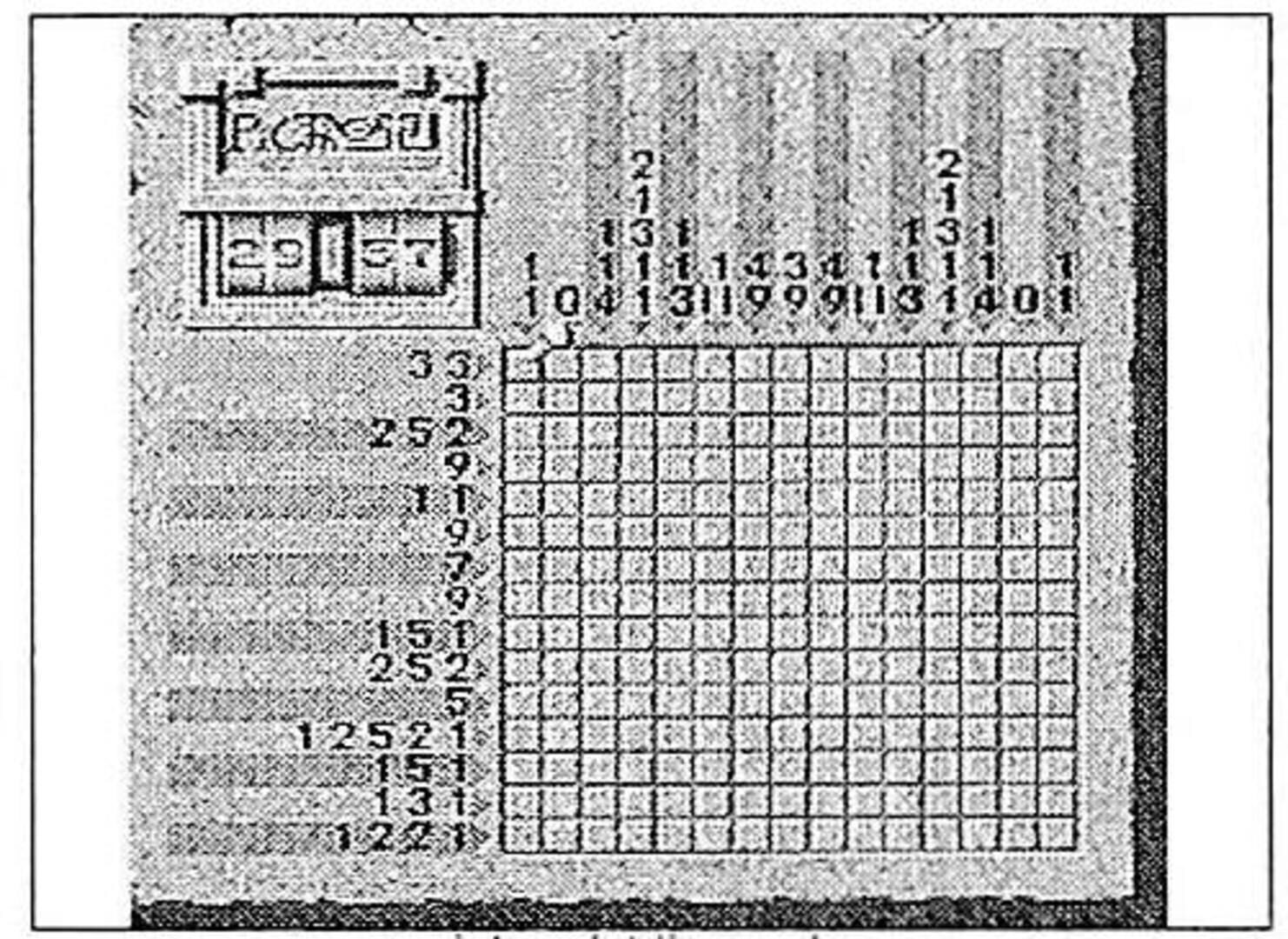
Shigeru Miyamoto oversaw the process from Nintendo's side and proposed adding Mario to the game. Mario's Picross was released for the Game Boy in 1995. While it did not take off in the West, it sold well in Japan and led to several Japan-only entries, including Mario's Super Picross for the Super Famicom, Picross 2 for the Game Boy, the Picross NP series for the Super Famicom's Nintendo Power service, and Tamori no Picross for Satellaview. A Picross minigame was planned to be included in Pokémon Gold and Silver during its development, and a Game Boy Color entry in the series known as Pokémon Picross (unrelated to the 2015 video game of the same name) was also in development, although both of these Pokémon projects were scrapped.
Picross DS was the first Picross title in 12 years to be released internationally, launching on the Nintendo DS in 2007. Shortly thereafter, HAL Laboratory, known for the Kirby series, developed Picross 3D for the Nintendo DS. The game used similar mechanics to traditional Picross but adapted them to a three-dimensional environment. The sequel, Picross 3D: Round 2, was released for the Nintendo 3DS in 2015.
After unsuccessfully pitching a Picross DS sequel to Nintendo for the 3DS, Jupiter opted to self-publish Picross games under a licensing deal. They released nine titles and many spin-offs in the Picross e series for the Nintendo 3DS. Jupiter continues to self-publish Picross games on the Nintendo Switch, releasing nine titles and various spin-offs in the Picross S series.
Over the years, Jupiter Corporation has also worked on nonogram video games that are not part of the Picross video game franchise, but were built on the same engine as titles in the series, including NuPa: Numeric Paint Puzzle, Puzzlun, Pictlogica Final Fantasy, Smapic, and Sumikko Gurashi the Movie: The Kingdom of the Sky and the Two Girls Let's Play Characross. Logiart Grimoire and Juufuutei Raden's Guide for Pixel Museum were also created as original nonogram video games for Microsoft Windows (through the Steam digital store), with them later receiving a PlayStation 4, Xbox One, Xbox Series X/S, and Microsoft Windows release (through the Microsoft Store), but for their Nintendo Switch versions, both games use the Picross name with permissions from Nintendo.


