
The articlegameplay, story, development, reception
Gameplay
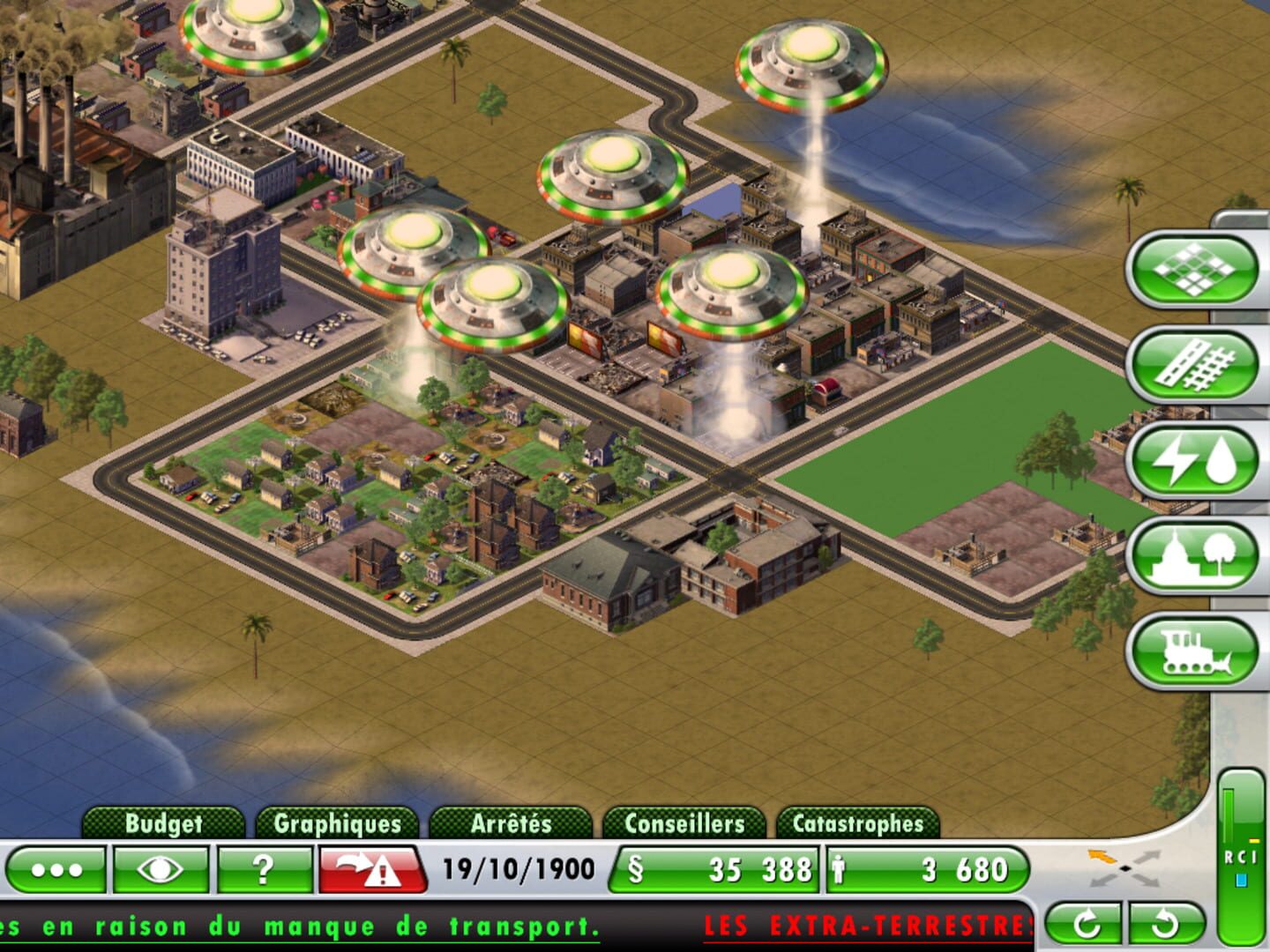
SimCity titles are real-time management and construction simulators. Across most titles, the player (acting as mayor) is given a blank map to begin and must expand the city with the budget provided. As the city matures, the player may be able to add government and other special buildings (such as a mayor's house or courthouse), depending on how large the city is. Proper management of the city requires citizens to be provided with basic utilities (electricity, water and sometimes waste management) along with public services such as health, education, safety, parks and leisure facilities.
These are provided by building relevant buildings or infrastructure, with each building covering a circular "range" in its vicinity. Inadequate funding of these services can lead to strikes or even urban decline.
Development
Development of the original SimCity began in 1985 under game designer Will Wright, and the game was published in 1989. Wright was inspired by a map creation feature of the game Raid on Bungeling Bay that led him to discover that he enjoyed creating maps more than playing the actual game. While developing SimCity, Wright cultivated a love of the intricacies and theories of urban planning and acknowledged the influence of Jay Wright Forrester's book Urban Dynamics. In addition, Wright was inspired by reading "The Seventh Sally", a short story by Stanisław Lem from The Cyberiad, published in the collection The Mind's I, in which an engineer encounters a deposed tyrant, and creates a miniature city with artificial citizens for the tyrant to oppress.
The first version of the game was developed for the Commodore 64 under the working title Micropolis. The game represented an unusual paradigm in computer gaming, in that it could neither be won nor lost; as a result, game publishers did not believe it was possible to market and sell such a game successfully. Broderbund declined to publish the title when Wright proposed it, and he pitched it to a range of major game publishers without success. Founder Jeff Braun of then-tiny Maxis agreed to publish SimCity as one of two initial games for the company.
Reception
The first two games were well received and sold well during the 1990s, with the franchise achieving a total of 5 million sales by 1999. SimCity 2000 in particular was among the highest selling games of the 1990s, and in 2018 was featured at #86 of IGN's top 100 video games of all time. SimCity 4 (2003) marked the high point in the franchise's GameRankings score at 85. The 2013 reboot was very poorly received, with Green Man Gaming comparing its effect on the franchise to the destruction of the city of Pompeii.
Legacy
The franchise has been credited with inspiring a generation of urban planners, transport officials, and local government figures, who experienced the games at a younger age and took on those careers in later life. Various editions of the game have been used in education to simulate urban planning for students in elementary through college classes.
While there were a handful of city-building games before 1989, SimCity popularized the genre and laid the groundwork for many titles inspired by it, including Cities: Skylines (2015), which was greenlit after the poor reception of the reboot. More broadly, the lack of a win condition in favor of open-ended play was a novelty at the time that gave rise to Maxis' "software toys" design concept, which influenced many other titles from the company.


