The articlegameplay, story, development, reception
Development
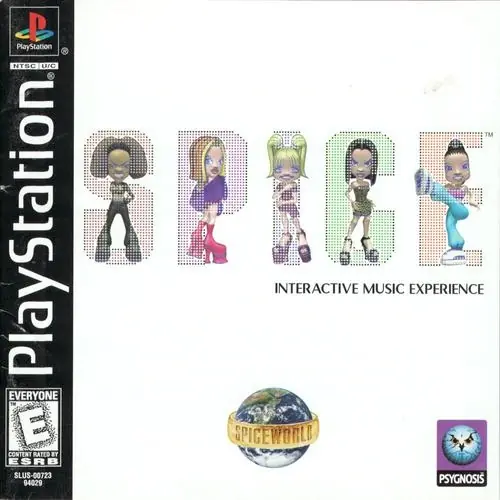
After seeing PaRappa the Rapper (1997) attract new types of users to the PlayStation market in Japan, Sony Computer Entertainment Europe thought they could do the same with the European market by creating and releasing a music video game; this inspired them to convince 19 Entertainment to produce a game featuring the girl group Spice Girls, a brand with enough leverage to be endorsed by Walker's Crisps, Pepsi and Asda. As the video game's demographic was Spice Girls fans, who usually didn't play video games, Sony's plan from the start of development was to make it an "interactive magazine" where the player could be part of the girl group's lifestyle.
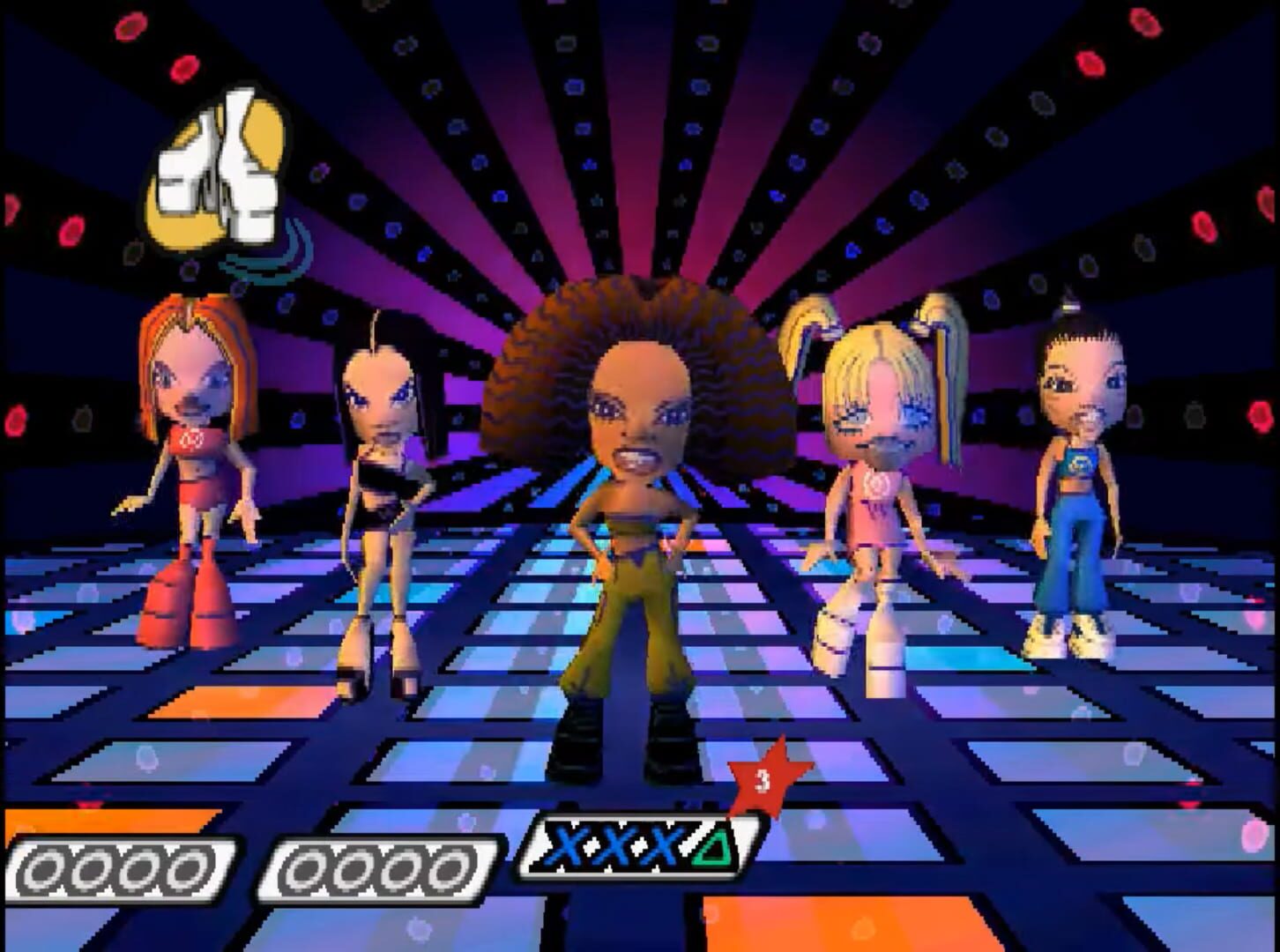
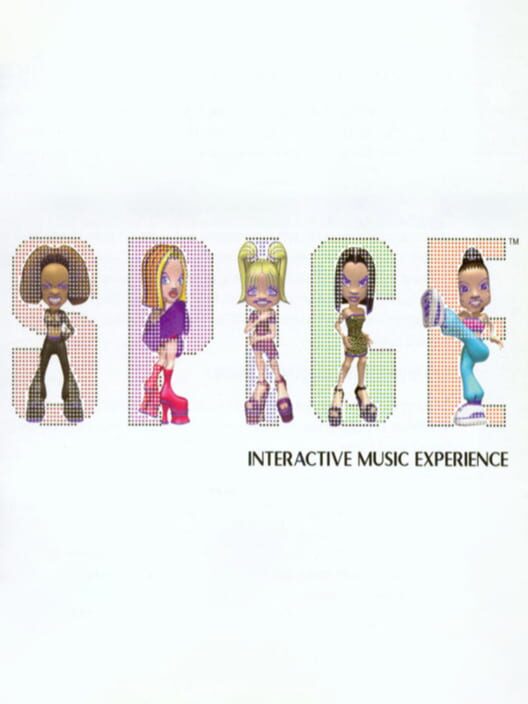
Production of Spice World began in June 1997. Spice World was developed by Sony Computer Entertainment Europe's internal team at Soho, using the same lighting engine as their previous game Porsche Challenge (1997). The developers originally planned for a realistic art style where the Spice Girls were animated with motion capture; however, lead artist Jason Millson changed the plan to a more caricatured style where the characters were animated manually, reasoning that it enhanced their personalities. From Millson's view, Spice World was the Spice Girls' version of the Beatles vanity project Yellow Submarine (1968).
Peter Eley, manager of the project, admitted that some staff didn't take the project seriously: "At first a lot of them weren't that keen. Some of them viewed it as a bit of a ludicrous prospect."
The game was exhibited at the September 1997 European Computer Trade Show. Shortly before the game's release date in June 1998, Geri Halliwell left the Spice Girls which led to concerns by Sony that Spice World would have to be pulled or revised. The company was later given permission by Halliwell's lawyer to proceed with the game, two weeks before its scheduled release.
Reception
The video game was sold out in the United Kingdom within several months of its release. Unlike most Sony PlayStation games at the time which "were almost exclusively bought by men," Spice World was mostly purchased by "mothers and daughters". The game sold 75,000 copies.
Although a top-ten seller in the United Kingdom and garnering some reviews suggesting it would appeal to young fans of the Spice Girls, Spice World was generally critically panned as an inferior PaRappa the Rapper game. Reviews panned its lack of substance and content, labeling it a non-gaming experience of only pressing buttons for a few minutes. GameSpot stated that its limited amount of samples in the mixing feature, including "few bridges" and "sung lines cut off halfway through," lead to "choppy, amateurish" tracks. J.C. Herz of The New York Times criticized Spice World for the same reason he disliked similar interactive music video games starring celebrity artists, for the mixture of "recycled content with the illusion of choice, the fake empowerment of mixing your own version of someone else's music with a keyboard or a joystick".
Critics also commented how it failed to capture the charm of the Spice Girls brand. Herz noted there wasn't even a feature to alter the Spice Girls' attire, while GameSpot claimed they were "transformed into personality-less cartoons, featuring only a few trademark idiosyncrasies." It also commented on the quality of the video segments: "the shocking levels of video compression and the poorly-synched voice dubbing renders the footage barely watchable."
GamePro criticized the horrifying look of the 3D Spice Girls, "clunky, confusing controls," and dances that "are neither clear nor exciting."