
The articlegameplay, story, development, reception
Gameplay
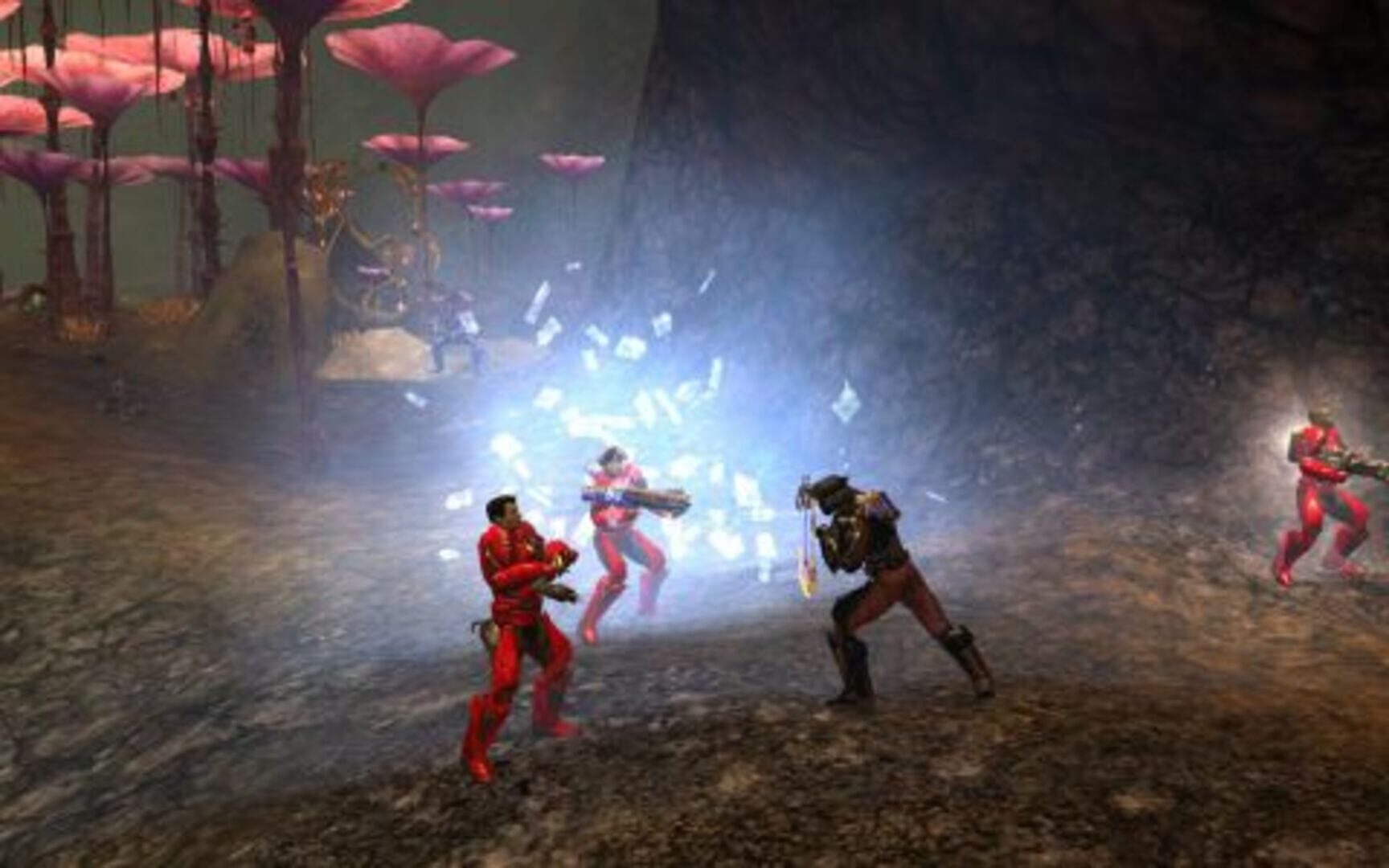
The combat mixed in some aspects from shooters to add some real-time action elements to the game. It still was not an outright shooter and featured sticky targeting and dice rolling based on character stats underneath. Stickiness could be adjusted to fit the preference of the player. Some weapons like the shotgun did not use the sticky targeting.
In addition to a hit-miss system, Tabula Rasa adjusted the damage based on the situation. Real-time factors like weapon type, ammo type, stance, cover, and movement were taken into account. The enemies were reported to have AI that would try to take advantage of the terrain, their numbers, and would try to flank the players. g.
Development
In the works since May 2001, the game underwent a major revamp two years into the project. Conflicts between developers and the vague direction of the game were said to be the causes of this dramatic change. Twenty percent of the original team was replaced, and 75% of the code had to be redone. Some staff working on other NCsoft projects were transferred to the Tabula Rasa development team, including City of Heroes' Community Coordinator April "CuppaJo" Burba.
First re-shown at E3 2005, the game then transformed into the current science fiction setting and look. The game's budget was $25 million. Nearly 150 people worked on the game.
Reception
Publications started to release reviews mainly after 15 November 2007, 2 weeks after the game's launch, although over a dozen wrote previews based on betas and the 3-day head start for those who pre-ordered.
GameSpy gave the game 4 stars out of 5, outlining that the game's innovative combat system succeeded in redefining MMO combat, and regarded it as one of the most appealing features. Negatives were the obscure and often counterproductive crafting system, a lack of a central trading hub at the initial release and bugs involving general gameplay and reports of memory leaks.


