The articlegameplay, story, development, reception
Gameplay
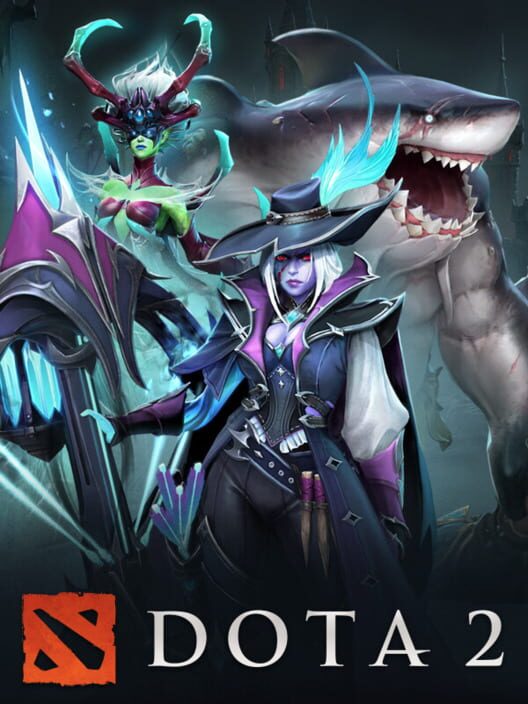
Artifact is a digital collectible card game in which players build a deck of collectable cards purchased on the Steam Marketplace to defeat an opponent in one-on-one battles. It features many elements from the multiplayer online battle arena game Dota 2, also developed by Valve. Unlike most collectible card games, it features three "lanes" guarded by a tower at the end, with each lane existing as an independent board. The victor is the first player to either destroy a structure called the Ancient, which appears after a tower has been destroyed, or the first to destroy two towers in total. As with Dota 2, Artifact focuses on online player versus player matchmaking; it has no single-player mode beyond a tutorial mode against an AI opponent.
Each deck contains at least 40 cards, with a total of nearly 300 cards available at the game's launch. Cards are grouped into three rarity tiers, common, uncommon, and rare, and are further grouped into four color themes, red, green, black, and blue, that each have their own unique effects on the board. Each lane also has its own independent mana pool, which is used for casting hero abilities and grows by one point after each round while also fully replenishing. In addition to hero abilities, item cards can also be freely placed and used in any lane.
Development
Development of Artifact began in late 2014, with lead designer Richard Garfield brought in to help make a digital card game due to his experience with creating the popular Magic: The Gathering franchise. The game was then announced via a teaser trailer played at The International 2017, a large Dota 2-specific esports tournament organized by Valve, although no specific details were revealed. More details regarding its concept and gameplay were revealed by Valve president Gabe Newell during a meeting with gaming press at Valve's headquarters in March 2018. There, Newell stated that it was not originally intended to be based on Dota 2, but it was decided to do so later in development as it was "useful".
Newell also stated that it would not be free-to-play like Dota 2 and other similar card game competitors, and that the team wished for it to avoid becoming "pay-to-win". He hoped Artifact would be for card games what Half-Life 2 had been for single-player action games.
Reception
Artifact's gameplay and depth were praised, with Ali Jones of PCGamesN stating in a preview that the game was a "cut above" other card games he had played before. He also added that it successfully captured elements from two different genres, creating something that he was "hugely excited to return to". The game was also being compared to Hearthstone, with Mike Minotti of Venture Beat considering Artifact as the more complex, in-depth option that has a chance of become the leading digital card game on the market. While also noting the game's complexity, Julian Benson of PCGamesN compared it more to Magic: The Gathering as its creator, Richard Garfield, served as the lead designer on the game.
Tim Clark of PC Gamer praised the art style and presentation, noting that all of the game's assets were new and not directly copied over from Dota 2. Clark also stated that he could not wait to play more of the game, saying that he did not see it as a "cash grab" that others said it would be. James Davenport of the same publication thought that the gameplay was akin to Magic: The Gathering meeting three simultaneous games of Uno, and stated that while the game at first looked "extremely complex", it did not take him long to understand and begin playing. Eric Van Allen of Polygon added that while the game demands investment to learn, it was "intensely rewarding" for those who stuck with it and did not mind its monetization model.