
The articlegameplay, story, development, reception
Gameplay
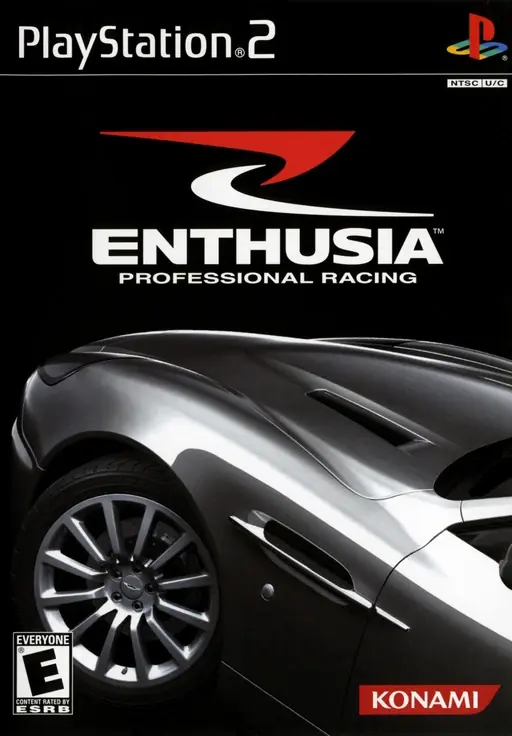
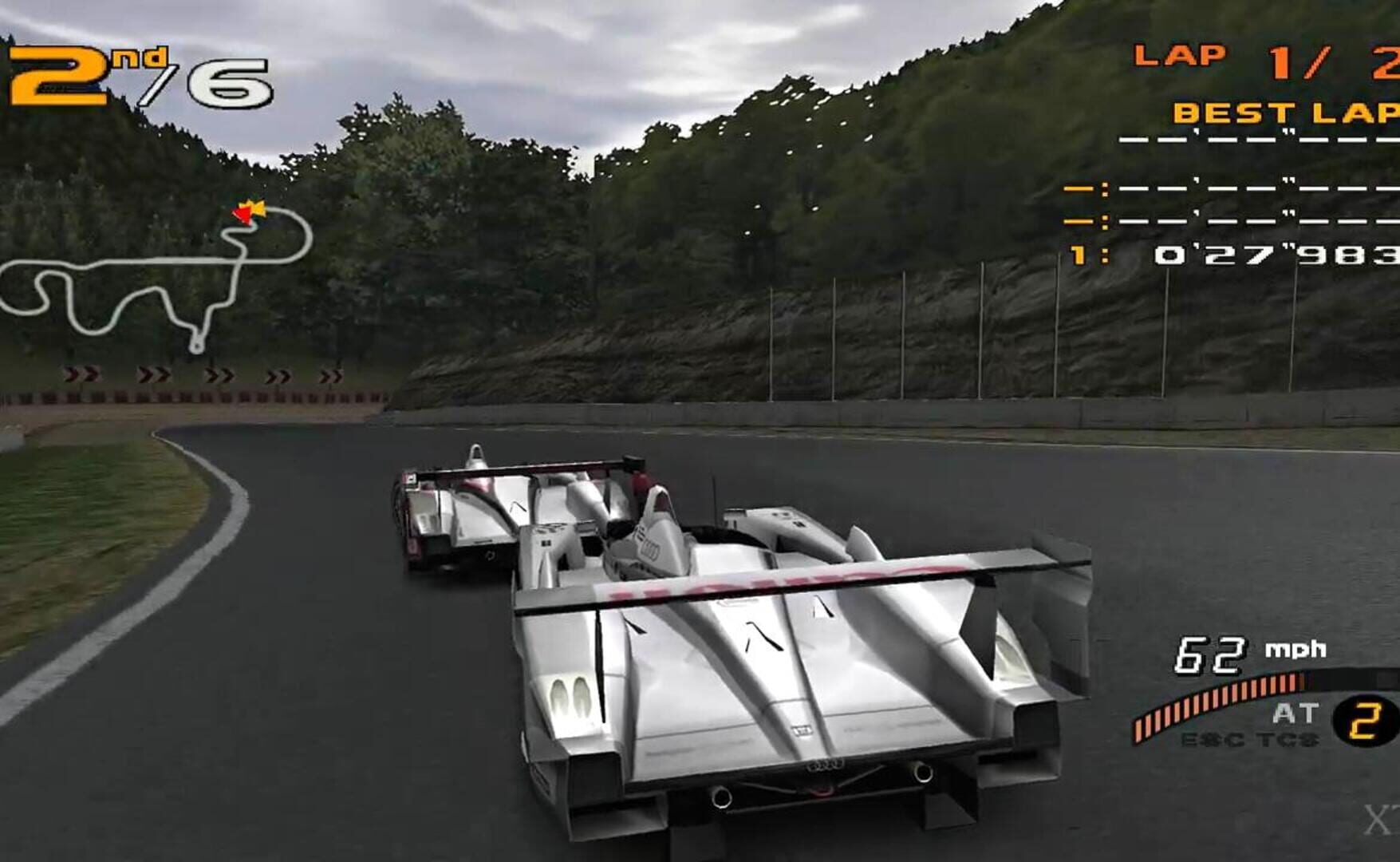
Enthusia Professional Racing has five available play modes:
Enthusia Life (career mode)
Driving Revolution
Free Race
Time Attack
Versus Racing
As opposed to purchasing vehicles as in the majority of games in the sim racing genre, cars are unlocked by a roulette-style method after completing a race, which determines which opposing car in the race the player unlocks, although in this roulette "no car" is also one of the possibilities.
Instead of purchasing parts to improve cars, a points-based system is used to determine upgrades. When enough of these "Enthu Points" (otherwise known as "Driver HP" in Japan) are obtained, a stat of the car (weight, power, or tires) is upgraded, up to three times each. The game also uses these points to keep track of collisions with walls and cars, or going off course, reducing the player's overall point count in each case. The more points are lost, the less points one gets to upgrade a car.
The driver can also be upgraded in the same way, with the points changing stats such as maximum number of Driver HP or the rate at which they are recovered after a race. If a player runs out of points during a race, the player has to miss the next race. Full HP can be restored by "resting", and a large amount is restored when changing a car.
In this mode players must attempt to pass through gates at the correct speed while accelerating, braking or keeping a constant speed. Points are gained for doing this correctly and enough points must be gained to pass on to the next level.
Reception
The game received "average" reviews according to the review aggregation website Metacritic. In Japan, Famitsu gave it a score of one eight and three sevens for a total of 29 out of 40. IGN rated the game 7.2/10, suggesting that the game's enthusiast driving lifestyle would have been more accessible to gamers if it had come out in 2004, but its qualities are dwarfed by the fact that it was released around the same time as Gran Turismo 4.
Based on data provided by Famitsu, the game sold 52,248 copies in Japan during that year.[1]