
The articlegameplay, story, development, reception
Development
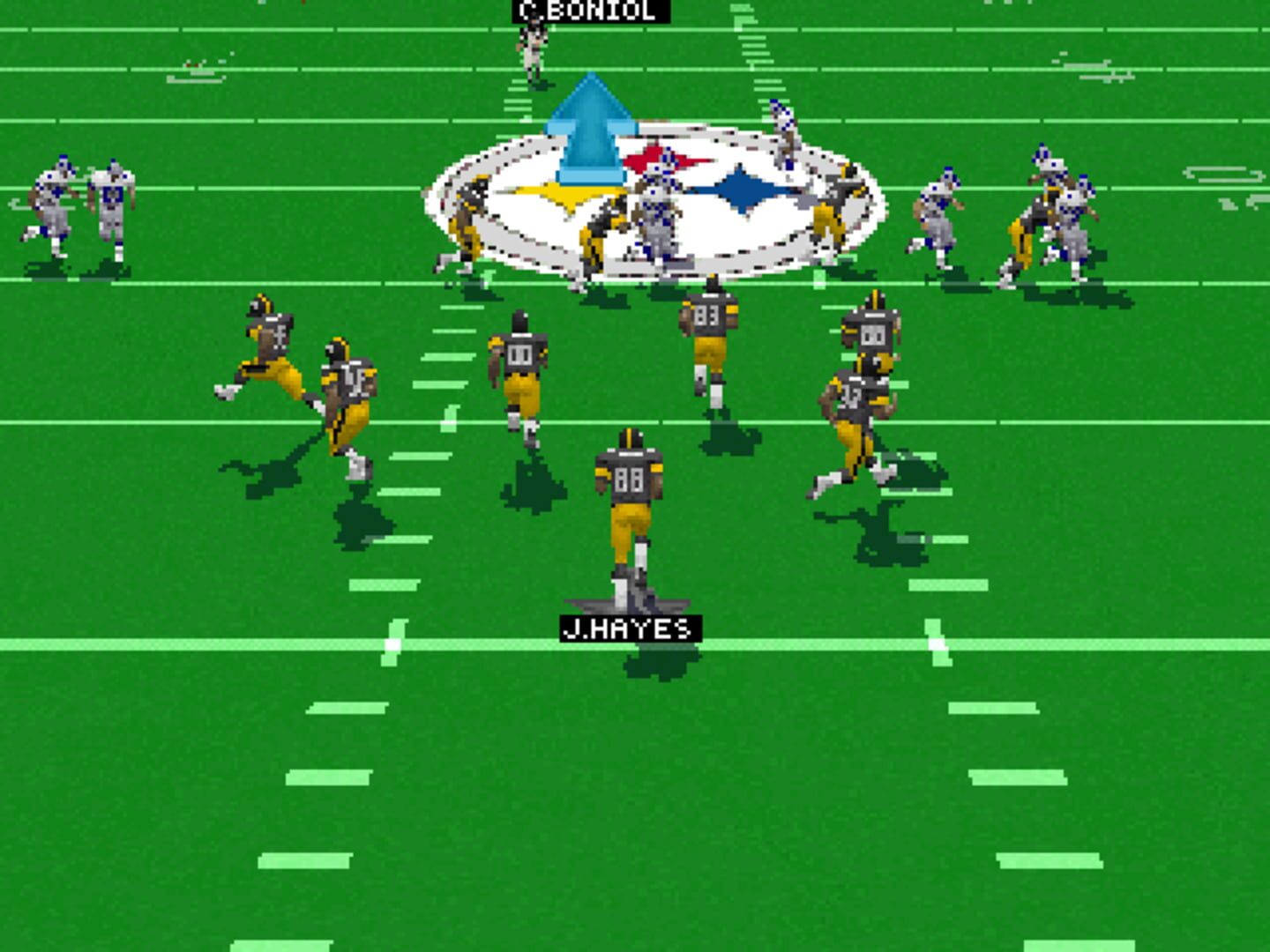
The player graphics were created by using 3D models with motion capture data to produce 2D sprites from multiple angles.
Classic teams were once again used, although most were different from the previous year's teams; the years ranged as far back as 1952 (Detroit Lions) and as recent as 1990 (Buffalo Bills). Jacksonville and Carolina, once again, did not get classic teams, but Baltimore was attached to a classic Cleveland Browns team.
Reception
Critics hailed the PlayStation version as a strong comeback for the series after the cancellation of the PlayStation version of Madden NFL '96, citing outstanding gameplay, graphics, and options. The two sports reviewers of Electronic Gaming Monthly (EGM) were pleased that all the teams are available from the beginning, as opposed to having some teams unlocked via hidden codes as in earlier installments. GamePro wrote that "Madden PlayStation is not only the best football game on the market today, it's the best 32-bit sports game, period." Next Generation was particularly impressed by the control and skill demanded by the gameplay, though they criticized that the AI can be consistently beaten by one specific play, something they said had always held back the Madden games from being as outstanding in single-player mode as they are in multiplayer. EGM named the PlayStation version a runner-up for Sports Game of the Year (behind Wave Race 64).
Reviewing the Saturn version, GamePro praised the gameplay, playbook, animations, sound effects, and "full-motion video that looks TV-real, even with its typically Saturn graininess." Paul Glancey of Sega Saturn Magazine echoed Next Generation's criticism that the AI can always be beaten by one play, but recommended the game on the basis of the large selection of teams, motion captured animation, and combination of strategy and action.