
The articlegameplay, story, development, reception
Gameplay
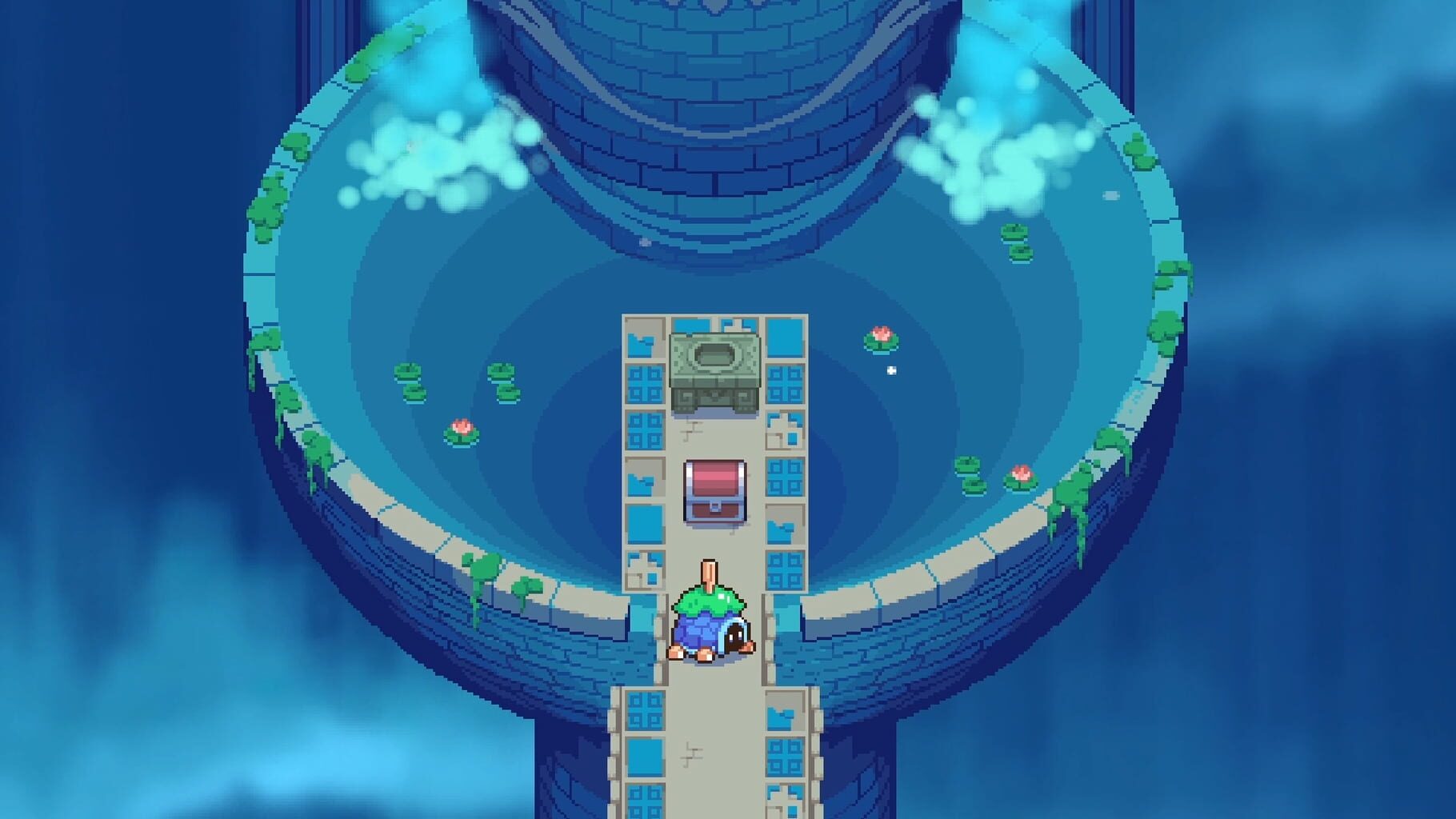
Moonstone Island is a life simulation and monster-taming video game that incorporates deck-building mechanics. The player controls the protagonist from an overhead perspective and navigates a procedurally generated world of over 100 islands in the sky centered around the titular Moonstone Island.
The game emphasizes nonlinear gameplay, encouraging players to participate in numerous activities beyond advancing the main storyline. Key gameplay elements include taming Spirits, constructing decks for turn-based battles, gathering resources, crafting items, and developing relationships with non-playable characters (NPCs) through social interactions, including romance options.
Development
Moonstone Island was conceived by developer Sandy Spink, founder of Toronto, Canada-based Studio Supersoft; the game draws inspiration from classic video games such as Pokémon, The Legend of Zelda, and Harvest Moon, as well as films by Studio Ghibli and deck-building games like Dominion and Slay the Spire. Spink sought to create a hybrid of Stardew Valley-style life simulation, monster-taming mechanics, and strategic deck-building. Development began in January 2021, with Spink initially pursuing a solo project using the Construct game engine. The core vision emphasized three pillars: exploration, social interaction, and turn-based combat, designed to appeal to publishers supportive of long-term, iterative updates.
Over time, the project expanded into a collaborative effort, with Stan Merezhko joining as programmer and Chern Fai as lead pixel artist. Later, writer Kate Gray contributed to worldbuilding and NPC dialogue, with the dating system serving as a narrative vehicle for lore and character development. Additional contractors were brought in for specialized roles, including sound design, animation, and large-scale pixel art, allowing the team to remain small but adaptable.
Reception
Moonstone Island received mixed to positive reviews from critics. The game was praised for its distinctive pixel art style and innovative blending of genres, though some reviewers criticized its early-game pacing.
The Nintendo Switch version garnered generally favorable reviews, with critics noting significant improvements from post-launch updates and quality-of-life enhancements implemented during the game's first year.


