Ludography
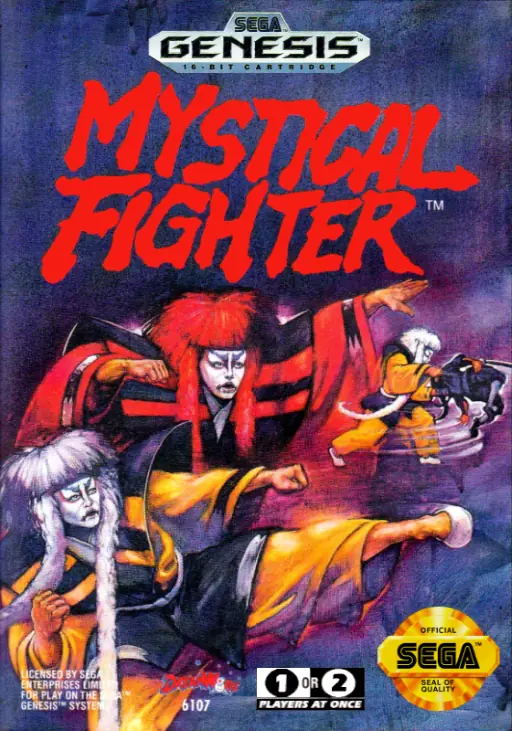
Mystical Fighter cover

1991 · Beat 'em up · Fighting

Mystical Fighter

Sega exclusive

A kabuki warrior steps into a time portal to go back to the Shogun dynasty to defeat the evil lord Kabuki. The game is basically a side-scrolling beat-em up game, with the player controlling the kabuki warrior. The player can deliver kicks and punches to hordes of enemy minions throughout each stage. Other moves at the the players disposal are jump kicks, the ability to lift enemies and throw them, and the ability to grab enemies and spin them like a tornado.

The player can also use a special magic power that gets charged by picking up scrolls throughout the level. The player can also find life bar refills throughout a stage also.

Also known as
Maou Renjishi
Released
25 October 1991
Platforms
Sega Genesis
Genres
Beat 'em upFighting
Developers
—
Publishers
Taito
Modes
MultiplayerSingle-player
Perspective
Side view
Themes
ActionFantasyHistorical
Country
Japan
Time to beat
1hmain story1hwith extras1hcompletionist

About

Mystical Fighter, originally released in Japan as Maō Renjishi (魔王連獅子, Demon King Renjishi) is a beat 'em up game for the Sega Genesis.

The story, designs and characters are based on Japanese mythology.

Keywords

  • brawler
  • shared screen

Media

The articlegameplay, story, development, reception

Gameplay

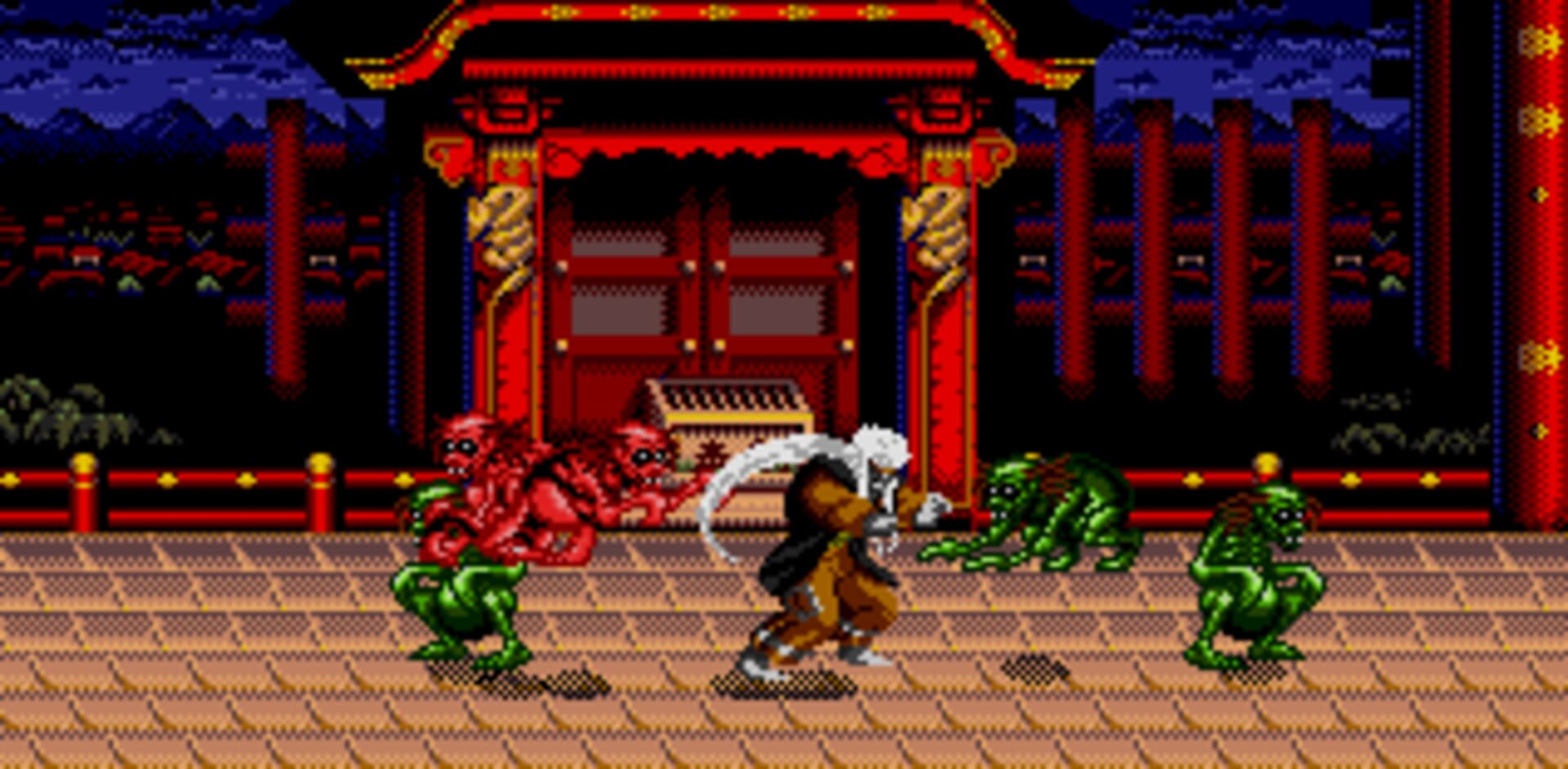
Like in most games of the genre, the player (who controls a kabuki) can use combos, flips and swings to fight against tough opponents, battling them in groups from three to five. Surprisingly, boss fights are often easier than regular enemies. There is also a time limit, usually about forty seconds, for the player to finish the stage. If the time reaches zero before the stage is beaten, the player will automatically lose the game as it will be declared a defeat.

Similar to Golden Axe, the player can use a special magic power, but instead of bottles the player must manually pick up scrolls. The more scrolls the player has, the stronger the magic attack will be; if the player chooses to use this attack, all the scrolls will be consumed.

There are also hidden bonus stages that can be accessed if the player approaches certain doors or rooms. These bonus stages contain magic scrolls, items to refill the character's health bar and weapons. There are also traps and holes that the player and the enemies can fall into. The traps and pits do not always hinder the player, and in fact can be beneficial if the enemies are thrown directly into the pit.
Development

The game was planned to come out in the West as Kabuki, but the title was changed prior to release. This was possibly to avoid confusion with the unrelated game Kabuki: Quantum Fighter for the NES—a mistake that Mega Play magazine did commit.

Releases by platformdates and regions as published

Releases by platform
PlatformReleasedRegions
Sega Genesis25 October 1991Japan · North America 1 February 1992

Title IDsone per regional release, with its latest update

Title ids and disc serials by release
PlatformTitle IDRegionLatest update
Sega GenesisT-11143Japan—

Box artone per regional release we hold art for

Editions and related releases

Included in
Mega Drive 4Mega Drive 3Mega Drive 3: 81 Super JogosSuper Mega Drive 3: 71 Super JogosSuper Mega Drive 3: 60 Super Jogos

Games like this

Collections1 collection

Platform libraries

Description adapted from its source, CC BY-SA 4.0.