

- 60/100
- Players4 ratings
- 70/100
- Critics2 reviews
More scores
- Metacritic10 critic reviews
- 69/100
- Metacritic usersuser score
- 79/100
- GameFAQsJust Right
- 3.5/5
- Player reviews
- 78% positive633 reviews
- Runs on
- Windows, Mac, Linux
- Price
- US$12.99
Where to get it

2016 · Action · Indie
Okhlos
Squeeze into your toga and slide on your sandals to rally the angry mobs of Okhlos and bring down the oppressive god of mythological Greece!
- Released
- 18 August 2016
- Platforms
- LinuxWindowsmacOS
- Genres
- ActionIndieRoguelikeStrategy
- Developers
- —
- Publishers
- Devolver Digital
- Modes
- Single-player
- Themes
- Action
- Country
- Argentina
- Age ratings
- CLASS_IND 12
- Languages
- Chinese (Simplified), English, French, German, Italian, Japanese, Polish, Portuguese (Brazil), Russian, Spanish (Spain)
- Time to beat
- 4.5hmain story6hcompletionist
About
Okhlos is an action and roguelike video game developed by Coffee Powered Machine and published by Devolver Digital. It was released on 18 August 2016.
Players say
Media
The articlegameplay, story, development, reception
Gameplay
Okhlos is often compared to Pikmin, as the player rules over a huge mob, directing it to go to the commanded spots, in combination with Katamari for the fast-paced action. Upon touching, the mob will automatically start tearing down buildings, attack enemies or recruit new people. Additionally, the player can make the mob block or spread around the city they are in to protect the player from enemies or hazards. The game's eight worlds are procedurally generated, each featuring different hazards and enemies to face.
Every city includes shops, in which the player may buy upgrades for individual units of the mob, or increase the number of people able to join it. To that, the player may, in the shops, also trade units for famous Greek philosophers and heroes, such as Aristotle and Heracles. Over the course of the game, the player faces and battles all of the Twelve Olympians, as well as randomly encountering other major enemies, like the Oracle of Delphi or the Minotaur. In case the player dies, he will take over one of the philosophers from the mob, except if there are no philosophers left, which will cause the player to lose.
Story
Okhlos is set in ancient Greece, where the land is ruled by the Olympian gods, who are highly praised by the people. However, the game's protagonist, an unnamed philosopher, is critical about their behaviour, as they show no signs of interest in the human well-being. But, when the philosopher suddenly witnesses, how the School of Athens is bruised down by one of the gods' foot (parodying The Foot of Cupid), killing almost everyone inside, he decides to take action. Going from city to city, he convinces the people that the gods are no good for mankind, as they turn people into animals, impregnate women and kill innocents, and recruits them to form a giant mob. As the mob grows, the philosopher continues executing his plan to overthrow the gods, kill their minions, and form an ochlocracy, while his mob destroys everything standing in their way.
Development
Development on Okhlos started in November 2012, after Argentinian indie studio Coffee Powered Machine released the Enhanced Edition of their previous title, Gravity Fleet, to the App Store on 13 November 2012. The team decided to create a game about an angry mob in ancient Greece, consisting of mythological heroes, that is fighting the Olympian gods. The team started off working on the non-player character's flocking behavior, and continued working on core mechanics for the game's "angry mob" concept. When procedural generation was implemented into the game, the team was unhappy about its simple algorithm and instead shifted their design focus to static, pre-built worlds.
A longer silent development phase took place, until they revealed the new designs and mechanics, and also the different gameplay types the tested, on 26 June 2013. A total of 24 prototypes were created, which included, but was not limited to, a beat 'em up, a stealth game and the roguelike style the decided to build on. Another successful six months of development went by, to the point, where Coffee Powered Machine decided to get to work on the procedural generation algorithm again, and therefore dropped the static worlds in early 2014. However, the project nearly ceased, as the team ran out of money shortly after, but where help up by private investors.
Releases by platformdates and regions as published
Games like this
 60
Hoplite
2013 · Android, Windows +1
Indie · Roguelike
 Xbox exclusive
Kill the Brickman
2025 · Windows, Xbox Series X/S
Indie · Roguelike
 60
Runestone Keeper
2015 · Android, Nintendo Switch +5
Indie · Roguelike
 Timed Nintendo91
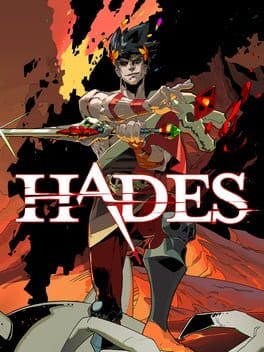
Hades
2018 · Nintendo Switch, PlayStation 4 +6
Indie · Roguelike
 Nintendo exclusive
Cave Noire
1991 · Game Boy
Action · Roguelike
 55
99 Levels to Hell
2013 · Linux, Windows +1
Indie · Roguelike
 PlayStation exclusive78
The Guided Fate Paradox
2013 · PlayStation 3
Roguelike · Strategy
 64
Lovecraft's Untold Stories
2019 · Android, Nintendo Switch +5
Action · Indie
Collections1 collection
Years
- Games released in 2016List › July–September
Description adapted from its source, CC BY-SA 4.0.