
The articlegameplay, story, development, reception
Gameplay
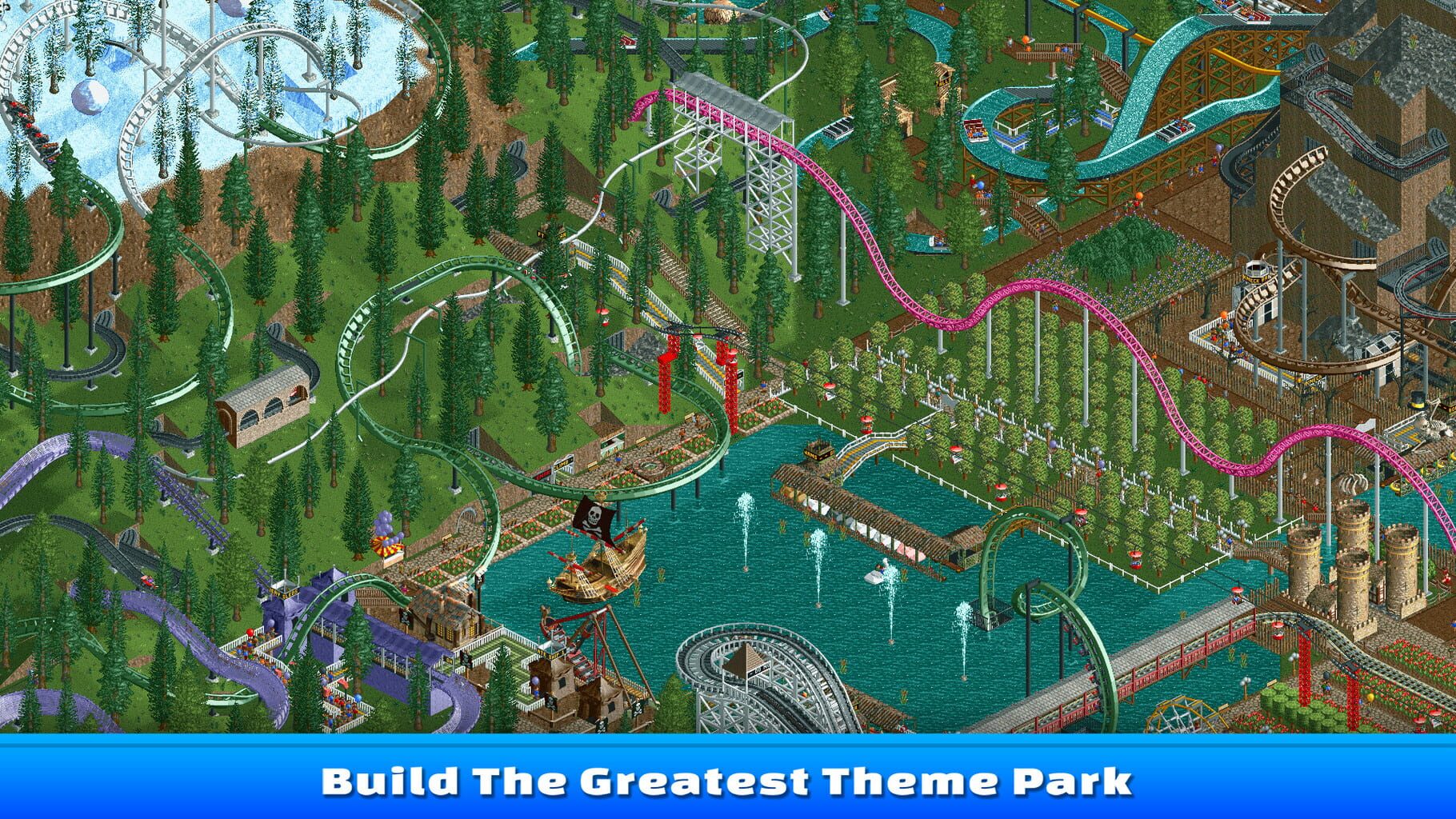
Classic implements the same gameplay as the first two games in the RollerCoaster Tycoon series. Played from an isometric view, players are tasked with building or revitalizing an amusement park by adding rides, attractions, facilities, paths, landscaping, and staff to manage the park. In particular, the game allows players to plan out a wide array of custom roller coasters and other rides using tracks, such as log flumes and go-karts. The player also must manage the park's finances to make sure they bring in sufficient revenues from guests to cover the cost of running the park and installing new features.
Development
Chris Sawyer had developed the original RollerCoaster Tycoon and its sequel RollerCoaster Tycoon 2, which released respectively in 1999 and 2002. The games had come out of his work developing a sequel to Transport Tycoon, which he released in 1994. Sawyer allowed Frontier Developments to develop RollerCoaster Tycoon 3 while he worked on Locomotion, a 2004 spiritual successor to Transport Tycoon.
Sawyer re-emerged in 2010 with the opening of 31X Ltd., his holding company for his Transport Tycoon intellectual property, and took 31X in a direction towards mobile development. Sawyer recognized that there was a demand for a game that used the more simple controls and graphics offered in the original Tycoon games, which worked well for mobile and touch-screen devices. In 2013, he announced the mobile version of Transport Tycoon, developed with Origin8. With Origin8's help, Sawyer was able to convert the original Transport Tycoon code from a form that relied heavily on assembly code to transfer it into a more portable form. Origin8 continued to work with Sawyer to help port RollerCoaster Tycoon into a similar mobile format.
Reception
Bob Fekete of iDigitalTimes praised the game for faithfully porting the original games on mobile devices for a low price tag, but criticized the game's "cramped" feel and occasionally low framerates. Alex Olney of Nintendo Life praised the game, opining that the Nintendo Switch port is "the best way to play this classic in your living room." However, Olney criticized the lack of touch-screen support as well as some performance issues when the game is zoomed out.
Kotaku Australia was critical of the release, citing the system specification requirements—which are considerably higher than that of the original games—and the lack of multiplayer support, which had been added to the original game via the community-driven OpenRCT2 project. In 2022, an update to OpenRCT2 would allow the use of RollerCoaster Tycoon Classic as a base install path, rather than the original games.


