
The articlegameplay, story, development, reception
Gameplay
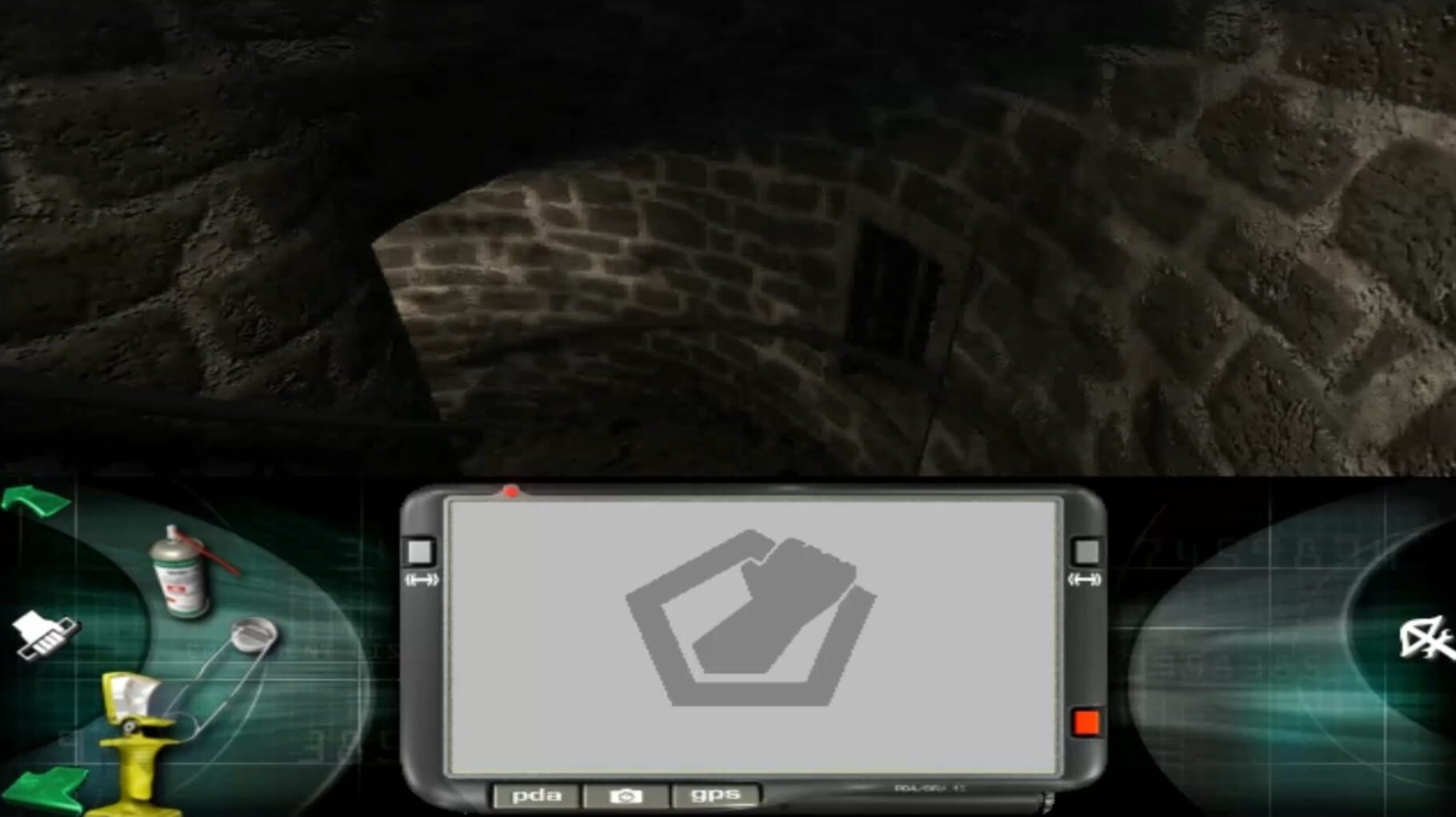
Traitors Gate is a graphic adventure game that takes place from a first-person perspective in a pre-rendered visual environment. Using a point-and-click interface, the player explores a reproduction of the Tower of London and evades guards while solving puzzles, such as determining the combination to a safe by examining a coat of arms. In a manner that has been compared to Myst, player movement is restricted to jumps between panoramic static screens; the camera view can rotate freely on each screen. Traitors Gate features nonlinear progression: multiple solutions allow for roughly 1,200 unique pathways through the game. If the player does not win within the 12-hour limit, or is found by the guards, a game over results.
In Traitors Gate, the player takes the role of a special agent named Raven, employed by an American agency called ORPHIA. At the start of the game, Raven's superiors believe that another ORPHIA operative plans to steal the British Crown Jewels from the Tower of London. Raven is subsequently tasked with infiltrating the Tower, secretly swapping the real jewels with forgeries and escaping without leaving behind evidence. These forgeries are equipped with hidden tracking units.
Development
Traitors Gate was conceived in November 1996, when designer Nigel Papworth of Sweden's Daydream Software began to explore possibilities for the company's next title after Safecracker. Coming across an article about the Tower of London in an issue of National Geographic, Papworth realized that the structure contained "everything a good game needed", including a cleanly circumscribed playing area and an obvious gameplay objective. He and the team subsequently developed a game concept that would take place inside an accurate reproduction of the Tower. Their plan was to capture "the feel of the weathered stonework and mixed architectural styles with as near to photographic quality as time and technology would allow", and they hoped to make a game that entertained players while informing them about the real-world Tower.
The decision to make the protagonist an American agent came early, as the country's alliance with Britain precluded violent gameplay approaches by the player and shifted the focus to stealth and puzzle-solving. Inspiration for the plot derived from the film series Mission: Impossible and James Bond.
Reception
Traitors Gate was commercially successful and became Daydream Software's top-selling game by 2003. It sold 48,000 units worldwide by the end of May 2000, and was a hit in Spain, which accounted for 22,000 sales by April 10. The game spent over three months in the top 10 of Spain's sales charts. However, it was a commercial failure in Germany, where it sold 4,000 copies; in the United Kingdom, which bought 3,000 units; and in Italy.
The European Foundation for the Improvement of Living and Working Conditions (Eurofound) traced Traitors Gate's country-by-country success rate to the quality of Daydream's distribution partners in each region. By September 30, worldwide sales of the game had risen to roughly 120,000 copies. Daydream told investors that the jump from May came due to "increased marketing efforts by us and our distributors".


