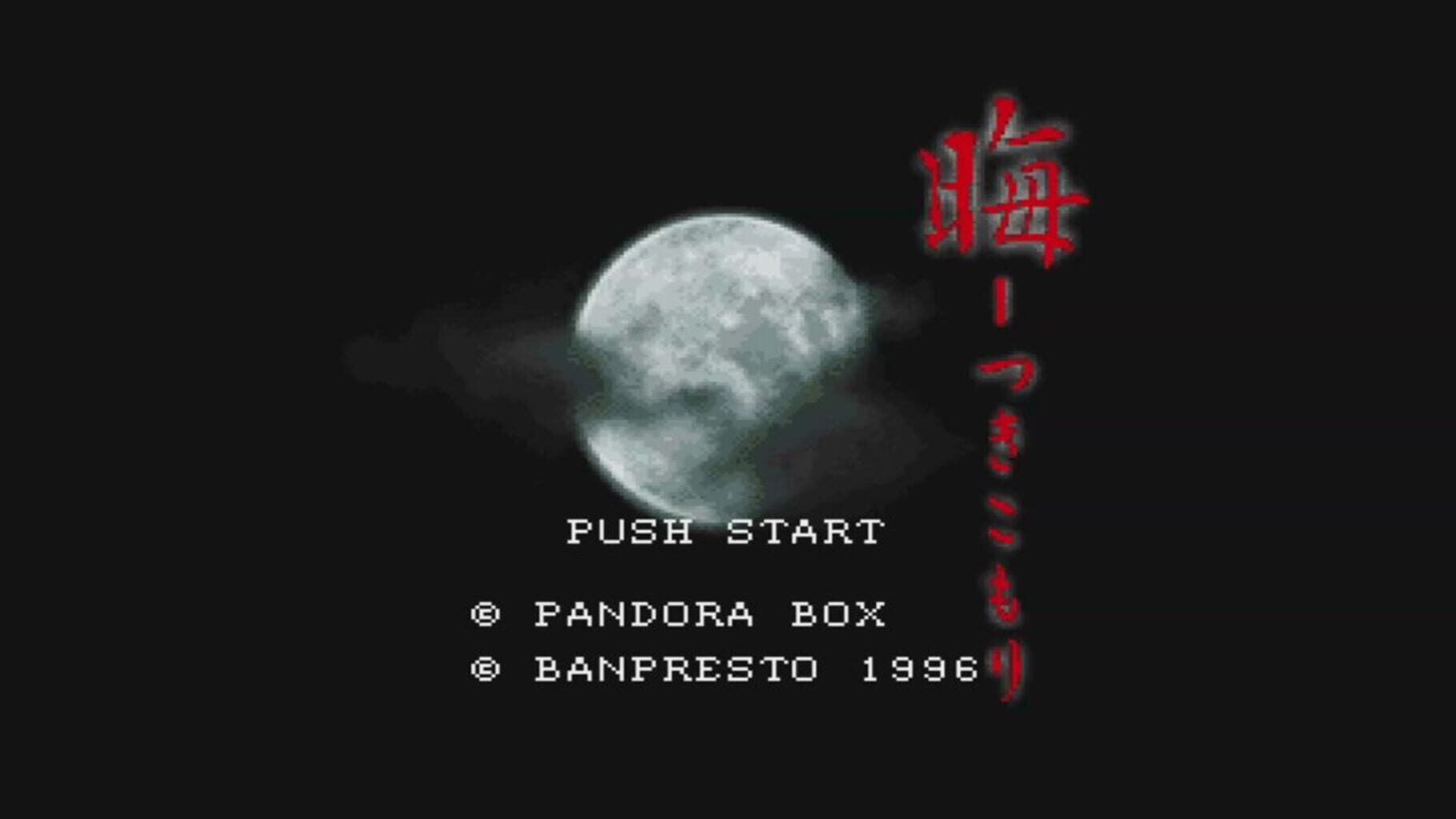

The articlegameplay, story, development, reception
Story
Tsukikomori is a sound novel. Mark Kretzschmar and Sara Raffel, authors of The History and Allure of Interactive Visual Novels, described the term used to primarily define Japanese games that rely on graphics and sounds instead of puzzles to tell a story and was more generally interchangeable with visual novels.
Tsukikomori features a family get-together at a funeral after the death of their grandmother. The narrators tell each other ghost stories. These stories are told from varying age groups, and they tell different stories set at various locations such as television stations, hospitals, forests and cities. The player selects narrators to tell stories.
Development
Tsukikomori was developed by Pandora Box. Video game ournalist Naohiko Misuno described Tsukikomori as being a companion title to Pandora Box's previous sound novel Gakkou de atta Kowai Hanashi (1995). Both titles were produced by Takiya Iijima, who was formerly known by his pen name Ken'ichi Iijima.
The characters and background graphics in the game are based on live-action footage.
Reception
In a contemporary reviews, Famitsu had four critics review the Tsukikomori. Two reviewers found the game like an improved version of Gakkou de atta Kowai Hanashi due to its wider range of settings and characters. One reviewer complimented the great writing saying that it led to the shifts in the story feeling natural while Hirokazu Hamamura praised the unique and unsettling touches from producer Takiya Iijima. One reviewer found it frustrating to reach an end in the game to only have to restart and re-hear a story, while another said that one's entire enjoyment of this will vary depending on their taste in these kind of stories. One reviewer commented on the graphics saying they may seem plain at first, but they were an effectively done, especially when sudden shock imagery appeared making it all more effective.
In a retrospective, Misuno praised the game as feeling like a more expanded version of Gakkou de atta Kowai Hanashi and that it featured the "creative touch" of producer Takaya Iijima.


