
The articlegameplay, story, development, reception
Gameplay
Yume Nikki is an exploration-based adventure game with no dialogue, combat, or plot; there is also no way to reach a game over. The player controls a girl named Madotsuki who lives alone. The game begins inside her apartment, which the player is initially unable to leave. The player can save their progress by sitting at Madotsuki's desk and writing in her dream diary. Sleeping in her bed causes Madotsuki to start dreaming.
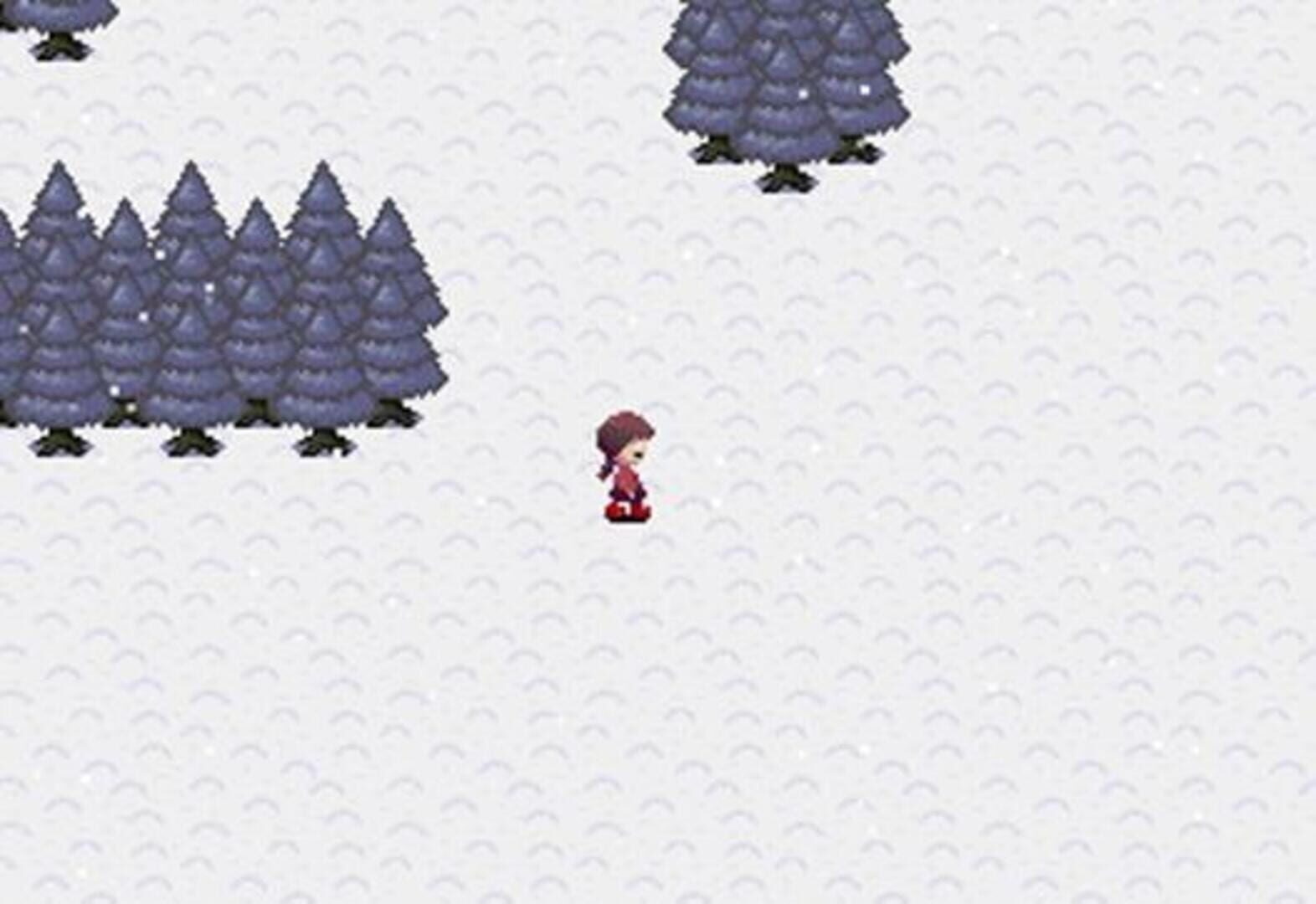
Her dream begins in a room closely resembling her apartment. Upon leaving the room, Madotsuki enters a hub area commonly referred to as the Nexus, which contains a series of styled doors. Each door leads to a different area in the dream world, with areas having distinct environments and designs.
Development
Yume Nikki was developed and self-published by Kikiyama, a pseudonymous Japanese developer about whom very little is known. They created the game using the RPG Maker 2003 engine. Kikiyama first shared a build of the game on June 26, 2004, on the Japanese textboard 2channel. They continued to update the game until 2007, stopping at version 0.10. After its initial release, it received a fan-made English translation.
From 2011 to 2018, Kikiyama's status was unknown as they were unresponsive to all contact. A popular theory was that they could have died, possibly in the 2011 Tōhoku earthquake. 10a, and went on to receive an English localization in June of the same year. In 2018, the game was released on Steam on January 10th, and on the Google Play Store and Apple App Store on August 30th.
Reception
Yume Nikki received positive critical reception for its unique, surrealist visual style. Its visual style has been compared to the 16-bit graphics of EarthBound. Ryan McSwain, writing for Hardcore Gaming 101, remarked that the game created surprisingly good visuals by using layering effects and "eye-catching animations". He also praised the game's music and sound design.
Giada Zavarise of Rock Paper Shotgun said that the game's pixel-art style influenced a movement of indie horror games like Ao Oni and Ib. She also attributed some of the game's popularity to the fact that its "dreamy" imagery invites speculation about its meaning. Wired's Julie Muncy also pointed to the game's surreal imagery and said that it appeals to those interested in dream interpretation.
Legacy
Originally receiving a limited Japanese-only release, Yume Nikki later gained a larger cult following in the West, due in part to its fan-made English translation. Gita Jackson of Kotaku also attributed this following to the game's "unusual visual style and oppressive tone". Caty McCarthy of USgamer compared its proliferation across the internet in the mid-2000s to that of Cave Story.
Due to the game's open-ended nature and the accessibility offered by the RPG Maker software, Yume Nikki has inspired the creation of a number of fangames, some of which have attempted to explore theories about the original game; notable fangames include Yume 2kki and .flow.


