Ludography
70/100
Critics1 review
Fairlight cover

1985 · Bo Jangeborg · Action-adventure · Adventure

Fairlight

The player controls an adventurer named Isvar that can be moved in a castle which is not only three-dimensional isometric view, but realistic in terms of the way objects behave. Each object has its own physical properties and resultant characteristics in terms of how much else can be carried alongside it. Certain objects have special uses (e.g. keys open certain doors), and there is a puzzle element to the game to discover how some of these objects relate to the world in order to help the player solve the game.

Also known as
Fairlight: A Prelude: The Light Revealed
Released
1985
Platforms
ZX SpectrumAmstrad CPCAmstrad PCWCommodore C64/128/MAXCommodore 64
Genres
Action-adventureAdventurePuzzle
Developers
Bo Jangeborg
Publishers
Edge Games
Modes
Single-player
Perspective
Bird view / Isometric
Themes
ActionFantasy
Country
England
Languages
English
Composers
Mike Alsop

About

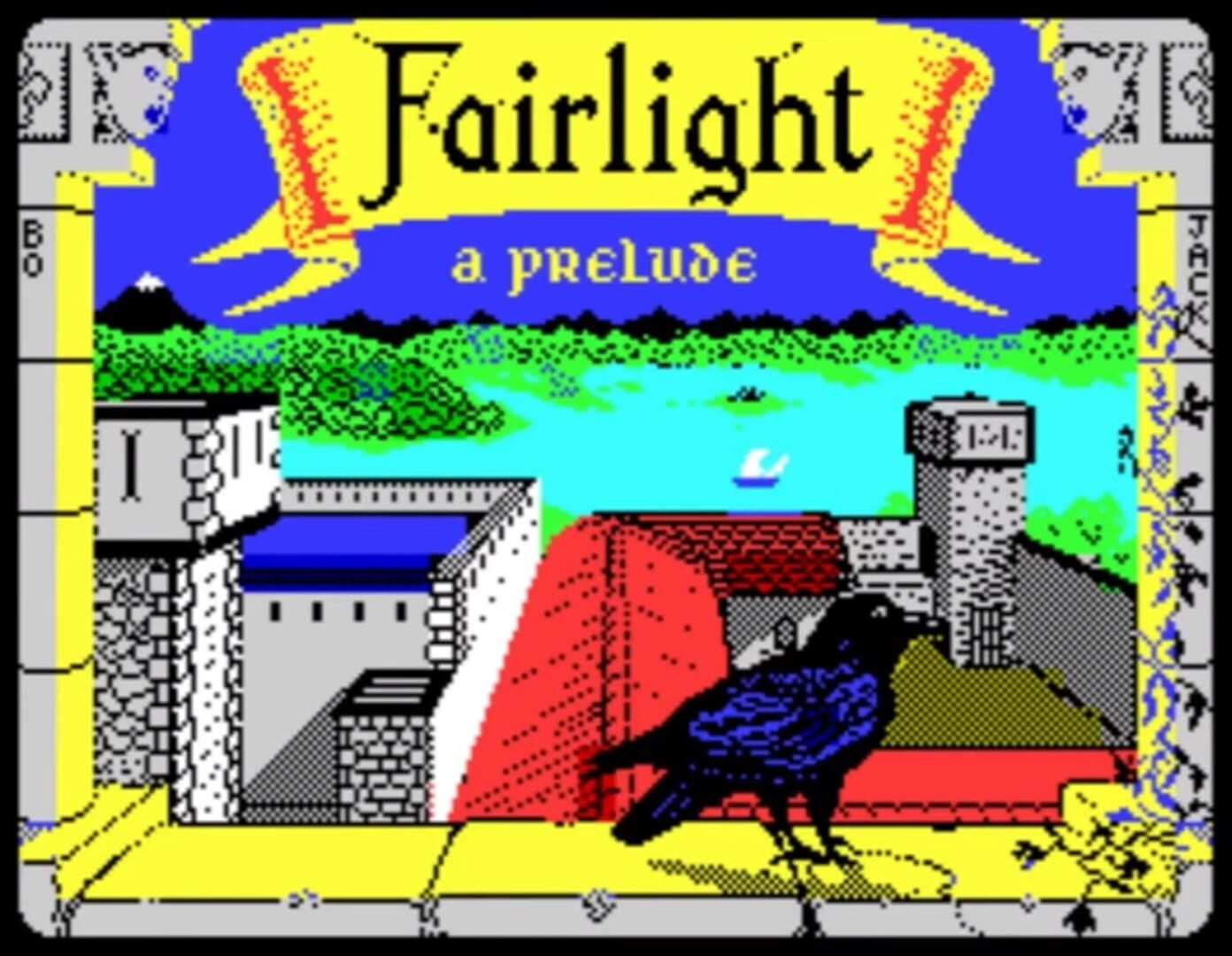
Fairlight is an isometric projection arcade adventure video game developed by Bo Jangeborg and Jack Wilkes and released in 1985 on Softek's The Edge label. Developed in seven months, Jangeborg created the "Worldmaker" graphic development system to replicate the Filmation system used by Ultimate's Knight Lore. The game used code from a graphics utility he had developed in 1983, called Grax, which had also been the foundation of graphics package The Artist, published on Softek's SofTechnics label. Jack Wilkes contributed art assets towards the game, including enemy sprites and the title screen. A sequel, Fairlight II, was released in 1986.

Keywords

  • exploration
  • medieval
  • death
  • action-adventure
  • artificial intelligence
  • never-ending

Media

The articlegameplay, story, development, reception

Gameplay

The player controls an adventurer named Isvar, on his quest to find the Book of Light to escape from Castle Avars which is displayed in an isometric view. Each object has its own physical properties and resultant characteristics in terms of how much else can be carried alongside it. Certain objects have special uses (e.g. keys open certain doors), and there is a puzzle element to the game to discover how some of these objects relate to the world in order to help the player solve the game.

In addition to carrying objects, they can be stacked on top of each other to enable Isvar to climb up to rooms above him or to reach objects otherwise out of reach. There are also a number of secret areas in the castle that are not visually obvious to the player and can only be discovered through exploration.

Reception

The game was well received critically and commercially, selling over 50,000 copies and reaching the number one position on the ZX Spectrum charts. Sinclair User gave the game a SU Classic award. The game won the 1985 awards for best arcade adventure, graphics, music and the "state of the art" award according to the readers of Crash magazine.

Jangeborg claimed Softek withheld royalty payments for Fairlight unless he signed up to produce further titles. Continuing legal disputes led to the sequel, Fairlight II, being released without Jangeborg's approval and in an unfinished state with a number of bugs, one of which meant the game could not be completed.

Releases by platformdates and regions as published

Releases by platform
PlatformReleasedRegions
ZX Spectrum31 December 1985Europe
Amstrad CPC31 December 1986Europe
Amstrad PCW31 December 1986Europe
Commodore C64/128/MAX31 December 1986Europe

Decompilations and portscommunity projects that rebuild or port the game

Editions and related releases

Followed by
Fairlight II

Games like this

Collections3 collections

Description adapted from its source, CC BY-SA 4.0.