
- 77/100
- Players3 ratings
- 70/100
- Critics1 review
2012 · Remake · Koei Tecmo Holdings · Adventure · Horror
Project Zero 2: Wii Edition
Nintendo exclusiveRemake
Fatal Frame 2: Wii Edition is a remake Fatal Frame II: Crimson Butterfly, originally for the PlayStation 2 and the Xbox.
- Released
- 28 June 2012
- Platforms
- WiiWii U
- Genres
- AdventureHorrorSurvival horror
- Developers
- Koei Tecmo Holdings
- Publishers
- Nintendo
- Series
- Fatal Frame
- Modes
- Single-player
- Perspective
- First personThird person
- Themes
- HorrorSurvival
- Country
- Japan
- Age ratings
- PEGI 16CERO C
- Languages
- English (UK), French, German, Italian, Japanese, Spanish (Spain), English, Spanish
About
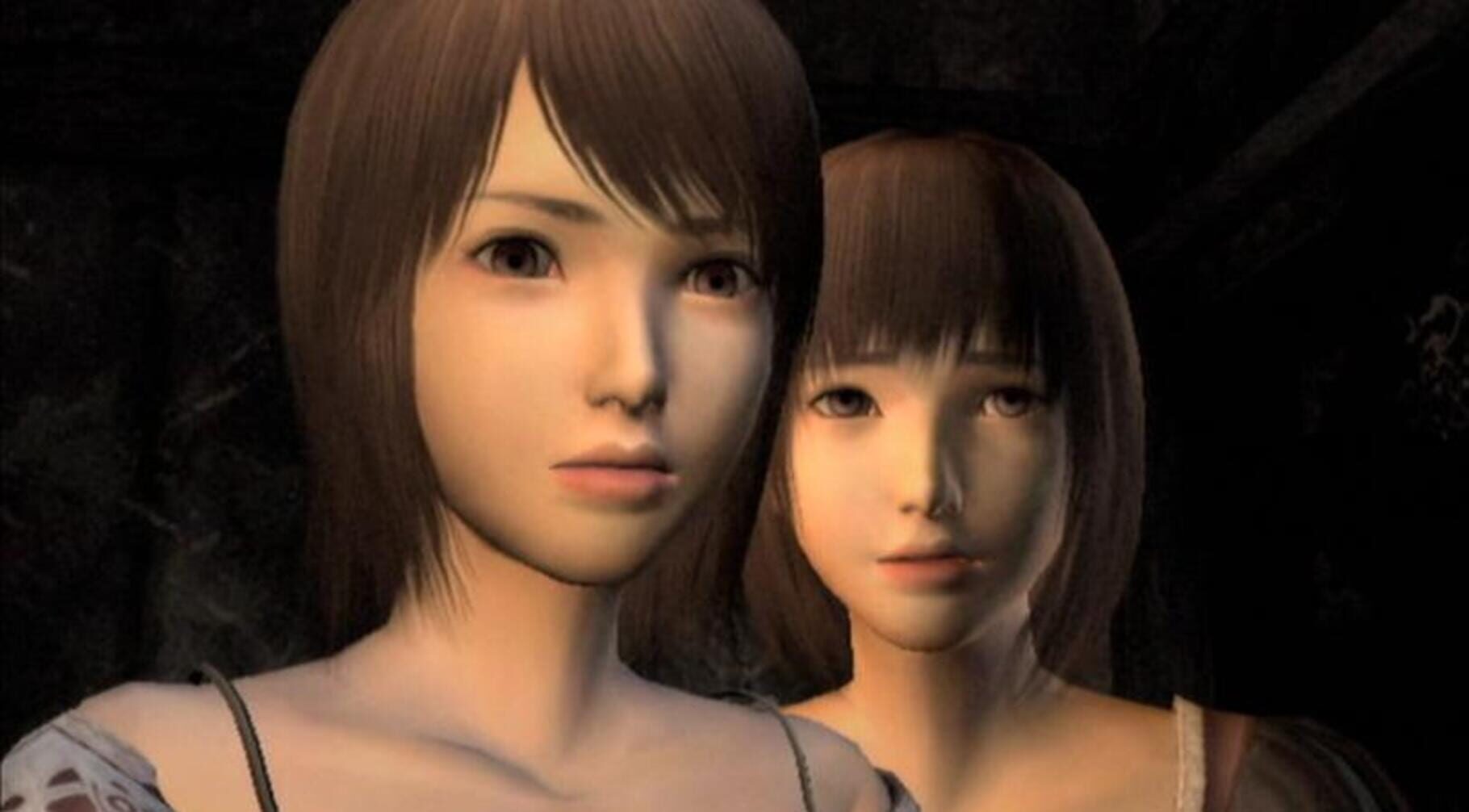
Project Zero 2: Wii Edition, known in Japan as Zero: Shinku no Chō, is a 2012 survival horror video game developed by Tecmo Koei Games and published by Nintendo for the Wii. The game is a remake of Fatal Frame II: Crimson Butterfly (2003), and follows sisters Mio and Mayu Amakura as they are trapped in a ghost-filled village cursed by a failed ritual. Gameplay follows Mio as she explores the village searching for Mayu, fighting hostile ghosts using the Fatal Frame series' recurring Camera Obscura. The game includes new endings, and an on-rails first-person minigame.
Original director Makoto Shibata and producer Keisuke Kikuchi reprised their roles, incorporating unused concepts from Fatal Frame: Mask of the Lunar Eclipse (2008). The gameplay was reworked based on Mask of the Lunar Eclipse, and the characters and environments redesigned. Singer-songwriter Tsuki Amano returned to provide a new theme song. It was released in Japan and PAL regions, but not in North America. Journalists generally praised the gameplay alterations compared to the original, but faulted its control scheme and English dub.
Keywords
- ghosts
Media
The articlegameplay, story, development, reception
Gameplay
Project Zero 2: Wii Edition is a survival horror in which the player controls Mio Amakura as she searches for her twin sister Mayu in the haunted Minakami Village. The game is a remake of Fatal Frame II: Crimson Butterfly (2003). Basic gameplay is carried over from the original. Mio explores Minakami Village, solving puzzles and fighting hostile ghosts to progress through the game.
She can pick up progression items and resources including health restoratives and film types, with the latter of which serving as ammunition for the Fatal Frame series' recurring weapon the Camera Obscura. Using the Camera Obscura when ghosts appear, the game switches to a first-person perspective where Mio must take photos of ghosts to damage them. Greater damage is dealt when a ghost is photographed at chose range, in mid-attack, or when multiple ghosts are caught in the same shot. The Camera Obscura can be upgraded using lenses found during the game, and points earned by both defeating hostile ghosts and taking photographs of non-hostile ghosts which briefly appear.
Story
Siblings Mio and Mayu Amakura visit a woodland soon to be flooded by a dam project; while playing there as children, Mayu fell and permanently injured her leg trying to keep up with a running Mio, leaving their relationship strained. A crimson butterfly leads the twins to Minakami Village, a place said to trap visitors. The two are assaulted by ghosts, including the spirit of Sae Kurosawa who begins influencing Mayu. Years before, Sae and her twin sister Yae were to be sacrifices to pacify a power beneath the village dubbed the "Hellish Abyss"; the ritual involved one twin strangling the other, merging their souls into a crimson butterfly.
Yae fled the village, and when Sae was sacrificed alone the Hellish Abyss consumed the village and Sae returned as a powerful vengeful spirit. Sae now seeks to reenact the ritual through Mio and Mayu.
Development
The original Crimson Butterfly, the second entry in the Fatal Frame series, was released for PlayStation 2 in 2003, and ported the following year to Xbox with added story and gameplay content. Following completion of Fatal Frame: Mask of the Lunar Eclipse (2008) for the Wii, which saw extensive gameplay and design changes compared to earlier Fatal Frame titles, series creators Makoto Shibata and Keisuke Kikuchi decided to remake one of the earlier games in the style of Mask of the Lunar Eclipse. The team also had several leftover ideas that were not implemented into Mask of the Lunar Eclipse, allowing the team to also expand upon and improve their new systems using the remake. Production began in 2010 after the team at Tecmo Koei Games had settled on their production goals.
Shibata and Kikuchi returned respectively as lead director and producer. Nintendo's Toru Osawa and Toshiharu Izuno were respective co-director and co-producer, and co-programmers. Shibata had previously worked with Osawa and Izuno on Mask of the Lunar Eclipse. The team polished and expanded the "Touch System", where players hold a button to pick up items, to make the experience more unsettling.
Reception
During its debut week in Japan, Project Zero 2: Wii Edition sold just over 28,000 units, reaching seventh place in game sales charts. The game sold over 46,700 units, becoming the 215th best-selling game in Japan during 2012. The game met with a generally positive reception, with review aggregation website Metacritic giving it a score of 77 out of 100 based on 32 critic reviews.
Japanese gaming magazine Famitsu generally praised its atmosphere and gameplay, and Eurogamer's Johnny Minkley described the game as a welcome return to an earlier style of survival horror compared to Dead Space and later Resident Evil titles. IGN's Maes Hughes was very positive about the gameplay changes and graphical improvements, lauding it as one of the few Wii remakes that was worth getting over the original release. Tom Sykes of Computer and Video Games lauded the new additions and praised the continued horror elements, but disliked the lack of additional gameplay elements. GameSpot, while noting its linear structure and lack of complex puzzles, praised its use of atmosphere and pacing alongside its combat.
Releases by platformdates and regions as published
Title IDsone per regional release, with its latest update
Box artone per regional release we hold art for

Europe
Wii
Editions and related releases
- Based on
- Fatal Frame II: Crimson Butterfly
- Part of
- Fatal Frame II: Crimson Butterfly
- Derived from
- Fatal Frame II: Crimson Butterfly
- Remake of
- Fatal Frame II: Crimson Butterfly
In the same series
 77
Fatal Frame
2001 · PlayStation 2, PlayStation 3 +1
Tecmo
 86
Fatal Frame II: Crimson Butterfly
2003 · PlayStation 2, PlayStation 3 +1
Tecmo
 PlayStation exclusive82
Fatal Frame III: The Tormented
2005 · PlayStation 2, PlayStation 3
Tecmo
 64
Fatal Frame: Mask of the Lunar Eclipse
2008 · Remaster · Nintendo Switch, PlayStation 4 +5
Grasshopper Manufacture
 71
Fatal Frame: Maiden of Black Water
2014 · Nintendo Switch, PlayStation 4 +5
Koei Tecmo Holdings
 Nintendo exclusive60
Spirit Camera: The Cursed Memoir
2012 · Nintendo 3DS
Koei Tecmo Holdings
Games like this
 PlayStation exclusive69
Forbidden Siren 2
2006 · PlayStation 2
Adventure · Horror
 PlayStation exclusive53
...Iru!
1998 · PlayStation
Adventure · Horror
 70
Layers of Fear
2023 · Remake · PlayStation 4, PlayStation 5 +4
Adventure · Horror
 PlayStation exclusive55
Echo Night: Beyond
2004 · PlayStation 2
Adventure · Horror
 63
Silent Hill HD Collection
2012 · Bundle · PlayStation 3, Xbox 360
Adventure · Survival horror

Yomawari: Lost in the Dark
2022 · PlayStation 4, Windows +2
Adventure · Horror

Alien: Isolation 2
— · Nintendo Switch 2, PlayStation 5 +2
Adventure · Survival horror
 Sega exclusive
Carrier
2000 · Dreamcast
Adventure · Horror
Collections4 collections
Description adapted from its source, CC BY-SA 4.0.