
- 58/100
- Players36 ratings
- 70/100
- Critics4 reviews
More scores
- Metacritic24 critic reviews
- 80/100
- Metacritic usersuser score
- 56/100
- GameFAQsSimple
- 3.01/5
- Player reviews
- 82% positive1,425 reviews
- Steam Deck
- Unsupported
- Runs on
- Windows, Mac, Linux
- Price
- US$9.99
Where to get it
2013 · Twisted Tree Games · Adventure · Indie
Proteus
PlayStation console exclusive
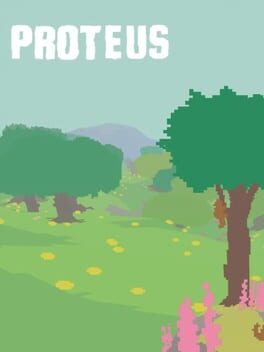
Proteus is a game about exploration and immersion in a dream-like island world where the soundtrack to your play is created by your surroundings. Played in first-person, the primary means of interaction is simply your presence in the world and how you observe it. The procedurally generated islands are home to creatures natural and imagined, tranquil valleys and ruins with magical properties.
- Released
- 30 January 2013
- Platforms
- LinuxPlayStation 3PlayStation VitaWindowsmacOS
- Genres
- AdventureIndieWalking simulator
- Developers
- Twisted Tree Games
- Publishers
- —
- Modes
- Single-player
- Perspective
- First person
- Themes
- FantasyOpen world
- Country
- United Kingdom
- Age ratings
- ESRB E
- Languages
- English
- Time to beat
- 1hmain story1hcompletionist
- Composers
- David Kanaga
About
Proteus is a 2013 adventure game designed and created by Ed Key and David Kanaga for Microsoft Windows, OS X, Linux, PlayStation 3, PlayStation 4 and PlayStation Vita. In the game, the player traverses a procedurally generated environment without prescribed goals. The world's flora and fauna emit unique musical signatures, combinations of which cause dynamic shifts in audio based on the player's surroundings.
The game began development in 2008. Key first conceived Proteus as an open-ended role-playing game akin to The Elder Scrolls IV: Oblivion but, because of the work required for such a project, later redesigned it to be "nontraditional and nonviolent". Audio designer and composer David Kanaga joined the project in 2010. Versions for the PlayStation 3 video game console and Vita handheld console were developed by Curve Studios, whose team added new gameplay features to the Vita edition at Sony's request.
Players say
Media
The articlegameplay, story, development, reception
Gameplay
In Proteus the player explores an island from a first-person perspective. The island is drawn in a pixel art style and consists of hills, trees, structures, and animals such as frogs and rabbits; the layout of these elements is different each time the game is played. The focus of the game is on exploration rather than interaction, as there is no narrative and the player is given no instructions on how to proceed. Possible interactions are limited—for example, animals may run away when the player comes too close.
The game's soundtrack varies depending on the player's movements and location; it may fall silent when the player is at the top of a hill and become sonically dense as they travel down it. The soundtrack layers additional sounds and notes when the player nears objects and animals in the world. Many things on the island are rendered as two-dimensional sprites, contrasting with the three-dimensional landscape.
Development
British game designer Ed Key began work on Proteus in 2008 during his evenings and weekends, though the game neared its final form only when David Kanaga joined development in 2010. Key originally envisioned the game as a procedural role-playing game in the same vein as The Elder Scrolls IV: Oblivion, in which the player would visit towns and complete quests. Realizing the extent of the work that would be needed for such a game, the developers decided to instead make something "nontraditional and nonviolent". The first technology developed for the game was the landscape generator, for which Key was inspired by walking in the village of Avebury, England. While he knew he wanted to make an exploration game, Proteus went through a variety of early iterations as Key explored different gameplay ideas.
Key developed Proteus using a game engine written in the C# programming language. He found the game's visual style early in development, with the impressionistic tree design being one of the first he settled on. Art Deco and the work of Paul Nash have been cited as "big influences". After Kanaga joined the development team as its audio composer, the game's music and sound mechanics were refined through testing a wide range of ideas, including allowing players to create their own music within the game.
Reception
Before its full release, a beta version of Proteus was featured in a number of indie game festivals and received coverage from video game journalists. It won the 2011 IndieCade Award for Best Audio, and was shortlisted for the 2012 GameCity Prize, ultimately losing to Journey. Proteus was a finalist for the 2012 Independent Games Festival's Nuovo Award, a prize aimed at abstract and unconventional game development, and received honorable mentions in the Excellence in Audio and Seumas McNally Grand Prize categories. The game also won the Most Amazing Indie Game prize at the 2012 A MAZE. Indie Connect Festival and in the same year, was featured in the Museum of Modern Art's "Common Senses" exhibit.
In an article that discussed 2011's exploration games, Jim Rossignol of Rock Paper Shotgun described Proteus as "one of the most charming experiences" he had had in an indie game. An IGN preview found the game to be "delightfully intoxicating", unique, and intriguing, with the author replaying it multiple times. PC Gamer likewise responded positively, drawing particular attention to the game's changing soundtrack and the ways in which it coherently reacts to the player's movement.
Awards
Releases by platformdates and regions as published
Title IDsone per regional release, with its latest update
Games like this
 PlayStation exclusive76
Everybody's Gone to the Rapture
2015 · PlayStation 4, Windows
Adventure · Walking simulator
 77
The Beginner's Guide
2015 · Linux, Windows +1
Adventure · Indie
 Nintendo exclusive83
The Room
2012 · Android, Nintendo Switch +2
Indie · Teleportation
 Timed Xbox82
Limbo
2010 · Android, Linux +9
Adventure · Indie
 Timed PlayStation77
Don't Starve
2013 · Android, Linux +8
Adventure · Indie
 70
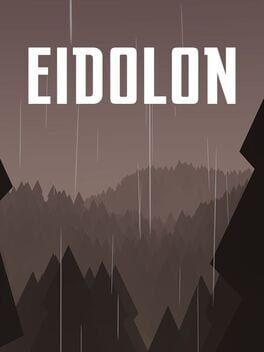
Eidolon
2014 · Windows, macOS
Adventure · Indie
 PlayStation exclusive75
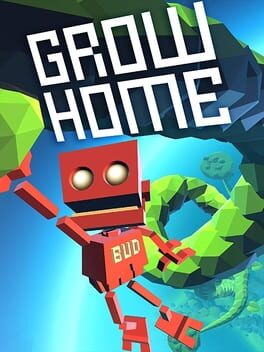
Grow Home
2015 · Linux, PlayStation 4 +1
Adventure · Teleportation
 71
IMSCARED
2012 · Android, Windows
Adventure · Indie
Collections3 collections
Platform libraries
- PlayStation 3 games (J–P)
- PlayStation Vita games (P–R)Games list (P–R)
Years
- Games released in 2013List › January–March
Description adapted from its source, CC BY-SA 4.0.