
The articlegameplay, story, development, reception
Gameplay
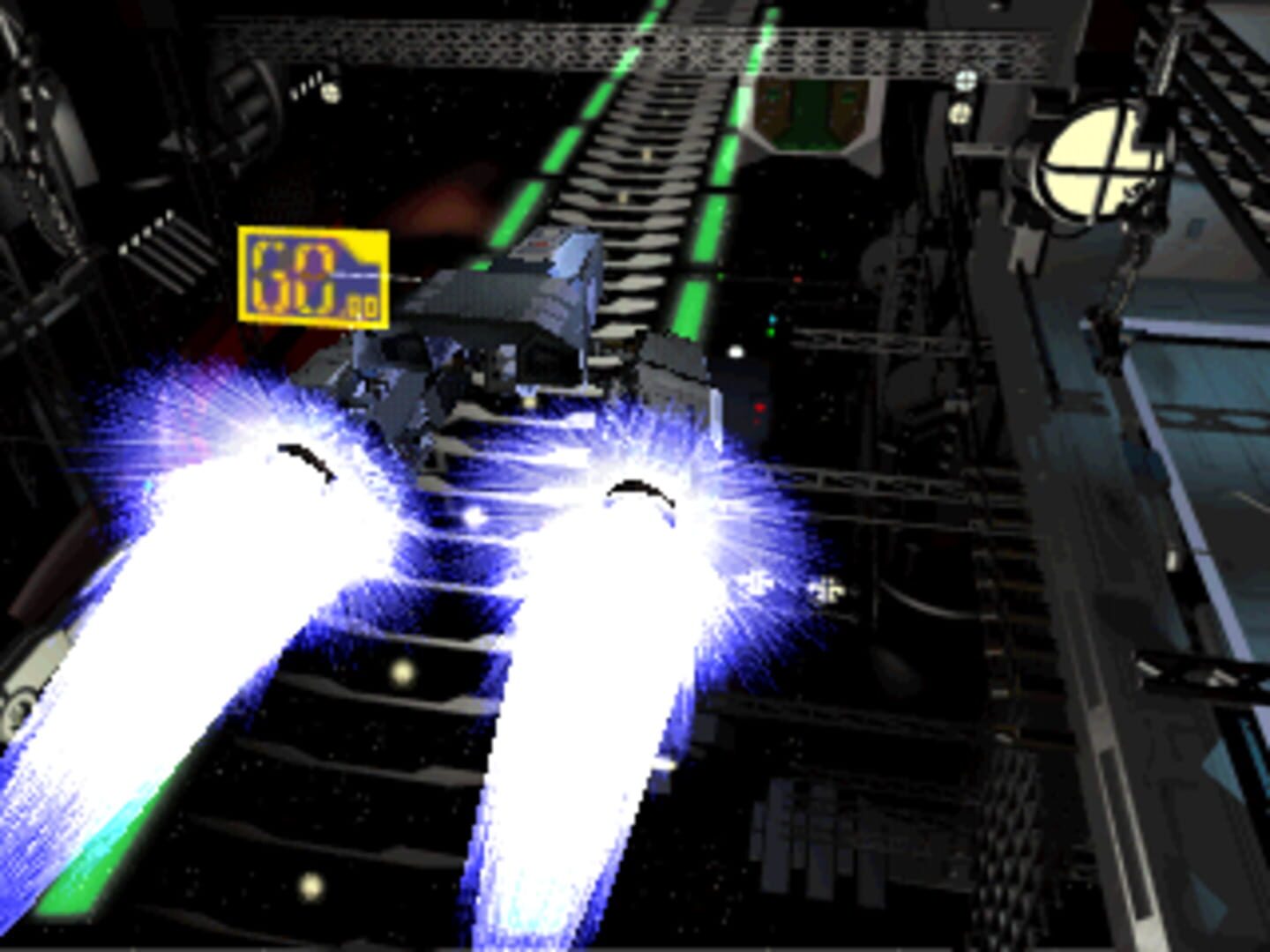
Star Ixiom is a space combat simulator video game. The player selects one of seven different star ships, each equipped with different weapons and abilities, to fight off an alien race known as the "Unknown Intelligent Mechanized Species" (UIMS) and other extraterrestrial races. The player is given the option to select one of seven star ships, each based on other Namco video games - these include the GAIA from the original Star Luster, the Galaxip from Galaxian, and the Geosword from Starblade. Each craft has their own unique weapon load outs and abilities, such as a faster firing rate or movement speed. The player can also switch between a first and third-person view.
The game is split across three different game modes - "Training", which helps the player learn the controls and in-game mechanics, "Command", an upgraded Training mode with more enemy formations, and "Conquest", the main focus that adds missions. Missions include destroying a fleet of enemies or protecting a base from being wiped out. All three game modes will allow the player to access a map screen, displaying the placement of enemies, bases and the player's current location - the player can select any of these locations to immediately warp there.
Development
Star Ixiom was directed by Yuichiro Sadahiro, known for his work on the Tales series and Katamari Damacy. It is the sequel to Star Luster, an older Namco game released for the Family Computer in 1985 that has since been ported to several other platforms. The game was billed as a "simulation and shooting" title, meant to signify the usage of elements from both tactical role-playing games and space combat simulations. It is set within Namco's United Galaxy Space Force (UGSF) saga, a fictional universe that ties together many of their space shooting games into one cohesive timeline.
The development team focused on modernizing the gameplay in Star Luster while still keeping the mechanics and ideas that made the original popular intact. Its graphical style was designed after the one used in both the X68000 conversion of Star Luster and the PlayStation game Starblade Alpha. Characters and starships from the Xevious series were intended to appear in the game, but were cut at the last minute. The fictional word "Ixiom" in the game's title means "eternal truth".
Reception
Star Ixiom received a mixed reception, with many criticizing its simplicity and lack of variety in missions. German magazine Video Games labeled its presentation "extremely boring", although complimented its simplistic controls, while Mega Fun disliked its lack of variety and bland storyline, unfavorably comparing it to Colony Wars. Swedish publication Super PLAY stated that the game was too easy, only recommending it to players overwhelmed with games like Colony Wars.
In a more positive light, Next Generation highly praised its graphics and atmosphere, stating they "offer a convincing illusion of speed and scale", while also applauding its depth and innovation. They also complimented its multiple game modes and ease of access to newer players. Consoles Plus, while calling it a "less serious" game than Colony Wars, appreciated the game's presentation and originality, alongside its role-playing game elements and cinematic cutscenes.


