

- 68/100
- Players41 ratings
- 80/100
- Critics1 review

1996 · Acclaim Studios London · First-person shooter · Horror
Alien Trilogy
Alien Trilogy takes many elements from Alien film series, such as face huggers, chest bursters, dog aliens, adult aliens, and Queen aliens. The video game consists of 30 levels and 3 Queen alien bosses. This video game is single player only and has several weapons to choose from.
- Released
- 31 May 1996
- Platforms
- MS-DOSPlayStationSega 32XSega CDSega SaturnWindows
- Genres
- First-person shooterHorrorScienceShooter
- Developers
- Acclaim Studios London
- Publishers
- —
- Series
- Alien
- Modes
- Single-player
- Perspective
- First person
- Themes
- ActionScience fictionHorror
- Country
- United Kingdom
- Age ratings
- ACB MA 15+ESRB MUSK 16PEGI 16
- Languages
- English, French, German, Italian, Japanese, Spanish (Spain)
About
Alien Trilogy is a 1996 first-person shooter video game developed by Probe Entertainment and published by Acclaim Entertainment for the PlayStation, Sega Saturn, and MS-DOS. The game is based on the first three movies in the Alien film series. One of the first games developed by Probe following their acquisition by Acclaim, it debuted Acclaim's much-hyped motion capture technology. The game was well received by critics, who praised its recreation of the films' atmosphere and its gameplay depth compared to other first-person shooters, and was a commercial success.
›Story
In the role of Lieutenant Ellen Ripley, the player experiences a story loosely derived from the first three films of the Alien franchise. Aside from occasional CGI cut scenes, the plot is told through text-based mission briefings that guide the player through an expanded, action-oriented story, drawing upon the settings and characters of the then-trilogy rather than through the specific plots of the films themselves.
The game begins in essentially the same manner as Aliens, as Ripley—here a marine herself—travels to LV426 to restore contact with the colony there. The other marines are wiped out, so Ripley must then travel through the infested colony and prison facility, and finally the crashed alien ship itself, to destroy the aliens and escape.
Keywords
- aliens
- bloody
- abandonware
- female protagonist
- based on - movie
- cosmic horror
- boss fight
- licensed game
- xenomorph
- human
- titular antagonist
- cheat code
Media
The articlegameplay, story, development, reception
Gameplay
The game consists of 30 levels and 3 bosses. It implement many elements from Alien film series, including enemies such as facehuggers, chestbursters, and weapons, such as the pulse rifle. The console versions only have a single player campaign whereas the DOS version also features deathmatch network multiplayer.
Story
In the role of Lieutenant Ellen Ripley, the player experiences a story loosely derived from the first three films of the Alien franchise. Aside from occasional CGI cut scenes, the plot is told through text-based mission briefings that guide the player through an expanded, action-oriented story, drawing upon the settings and characters of the franchise rather than through the specific plots of the films themselves. The game begins in essentially the same manner as Aliens, as Ripley—here a marine herself—travels to LV426 to restore contact with the colony there. The other marines are wiped out, so Ripley must then travel through the infested colony and prison facility, and finally the crashed alien ship itself, to destroy the aliens and escape.
Development
In early 1994, Acclaim announced that Alien Trilogy would be the first game to use the 3D motion capture technology created by their engineering team Advanced Technologies Group. The aliens' movements were created using this technology.
Many of the game's sound effects, such as the cocooned colonists whispering "Kill me" and the alien screeches, were sampled from the films.
Reception
Alien Trilogy received generally positive reviews from critics. On aggregating review website GameRankings, the PlayStation version held a 78% based on 5 reviews. The four reviewers of Electronic Gaming Monthly gave the PlayStation version their "Game of the Month" award, concurring it to be the best video game based on the Alien franchise yet, chiefly due to the graphics and sound effects authentically recreating the style of the films. Two of the reviewers also commented that the use of mission objectives gives the game more depth than the average first person shooter.
GamePro also commented positively on the sound effects but was not impressed by the graphics, remarking that though they are faithful to the films, they are overly monochrome and suffer from extreme pixelation. The reviewer also complained of targeting problems but gave the game a strong recommendation due to "the fun of cruising the halls, wiping out aliens, and torching and detonating the area." A reviewer for Maximum likewise was pleased with the sound effects but felt the graphics to be authentic to the films yet unimpressive, remarking that the animation on the aliens is a severe disappointment after Acclaim's considerable boasting about their new motion capture technology. He also criticized the slow pace and weak weapons, but praised the game's limited field of vision for creating a claustrophobic, suspenseful atmosphere and concluded that Alien Trilogy "is far more impressive than the mediocre offerings PlayStation owners have had to put up with over the last few months, with a depth of gameplay and audio-visual quality which is sure to impress just about everyone who buys it."
Releases by platformdates and regions as published
In the same series
 Atari exclusive74
Alien
1982 · Atari 2600

Alien
1982 · Amstrad CPC, Commodore 64 +2
Concept Software Ltd.
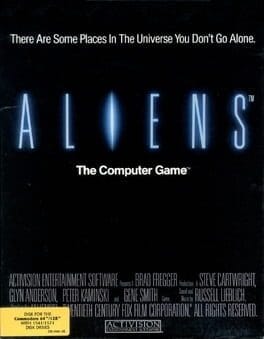
Aliens: The Computer Game
1986 · Amstrad CPC, Apple II +4
 79
Aliens
1990 · Arcade
Konami
 Timed Sega68
Alien 3
1992 · Commodore 64, Game Boy +5
Acclaim Studios London

Aliens: A Comic Book Adventure
1995 · MS-DOS
Cryo Interactive

Aliens Online
1998 · Windows
Mythic Entertainment
 53
Alien: Resurrection
2000 · Dreamcast, PlayStation +2
Argonaut Games
 Nintendo exclusive
Aliens: Thanatos Encounter
2001 · Game Boy Color
Crawfish Interactive
 Nintendo exclusive67
Aliens: Infestation
2011 · Nintendo DS
WayForward Technologies
 46
Aliens: Colonial Marines
2013 · PlayStation 3, Wii U +2
Gearbox Software
 70
Aliens: Fireteam Elite
2021 · Nintendo Switch, PlayStation 4 +4
Cold Iron Studios
 81
Aliens: Dark Descent
2023 · PlayStation 4, PlayStation 5 +3
Tindalos Interactive
 PlayStation exclusive80
Alien: Rogue Incursion
2024 · Meta Horizon OS, Meta Quest +3
Survios
Games like this
 Atari exclusive68
Alien vs Predator (Atari Jaguar game)
1994 · Atari Jaguar
First-person shooter · Horror
- 68
Alien vs Predator (SNES video game)
1993 · Atari Jaguar, SNES
Shooter · Aliens
 62
Aliens Versus Predator: Extinction
2003 · PlayStation 2, Xbox
Aliens · Based on - movie

Aliens: The Computer Game
1987 · Amstrad CPC, Commodore 16 +5
First-person shooter · Shooter
 76
Aliens versus Predator
1999 · Dreamcast, PlayStation +3
First-person shooter · Shooter
 81
Aliens Versus Predator 2
2001 · Windows, macOS
First-person shooter · Horror

Aliens: Alien 2
1987 · Family Computer Disk System, MSX
Shooter · Based on - movie
 80
Alien 3: The Gun
1993 · Arcade
Horror · Shooter
Collections7 collections
Platform libraries
- Sega Saturn gamesGames
- PlayStation (console) games (A–L)Games list (A–L)
Genres
Licensing
- Games based on filmsGames
Publishers
Description adapted from its source, CC BY-SA 4.0.