The articlegameplay, story, development, reception
Gameplay
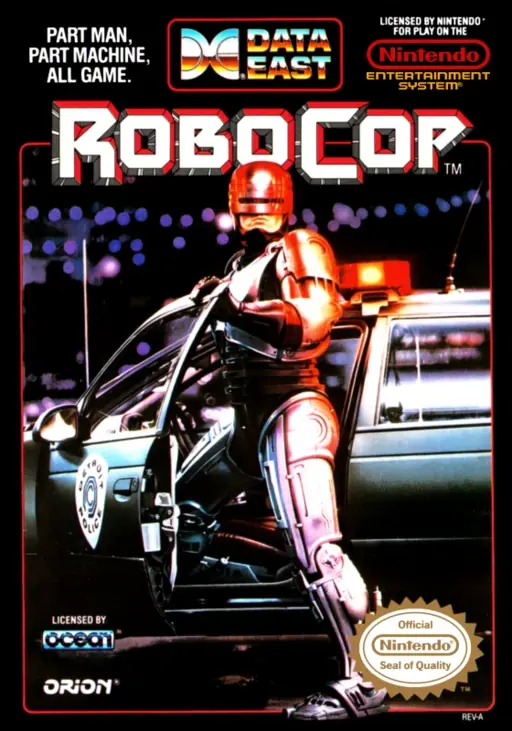
The gameplay is similar to Data East's arcade game Bad Dudes Vs. DragonNinja, released earlier the same year. Robocop includes elements from both beat 'em up and run and gun video games.
Reception
RoboCop was a commercial success in arcades, especially in Hong Kong where it was the highest-grossing arcade game of 1988. In Japan, Game Machine listed RoboCop as the second most successful table arcade unit of January 1989.
On home computers, the game sold over 1 million copies worldwide. It was especially successful in the United Kingdom, where it was the best-selling home computer game of the 1980s. The ZX Spectrum version in particular was the best-selling home video game of 1989. The ZX Spectrum RoboCop was one of the biggest selling games of all time on that platform and remained in the Spectrum software sales charts for over a year and a half; it entered the charts in December 1988 and was still in the top five in February 1991. It also topped the UK all-format full price charts for a record 36 weeks until it was knocked off the number one position by Indiana Jones and the Last Crusade in August 1989.
The arcade game was critically well-received. The ZX Spectrum version also achieved critical acclaim, receiving a CRASH Smash award from CRASH, 94% in Sinclair User and Your Sinclair gave 8.8 out of 10, also placing it at number 94 in the Your Sinclair official top 100. The overall opinion was that it captures the original material, with smooth scrolling and animation, sampled speech and sound effects highlighted.
The readers of YS voted it the 9th best game of all time.
The title theme of the Ocean Software versions (composed by Jonathan Dunn) has become well known for its serene, calm tune, which heavily contrasted the tone of both the actual game and the source material; the version of the theme heard in the Game Boy port was later licensed by European kitchen appliance company Ariston for use in a series of TV adverts. The song was also used as the theme song for Charlie Brooker's documentary How Videogames Changed the World, and was one of Brooker's selections on Desert Island Discs. A cover of the theme was also used as the music for the Internet short Dilbert 3 and was sampled in Lil B's song "In Down Bad" from his mixtape White Flame.