
The articlegameplay, story, development, reception
Story
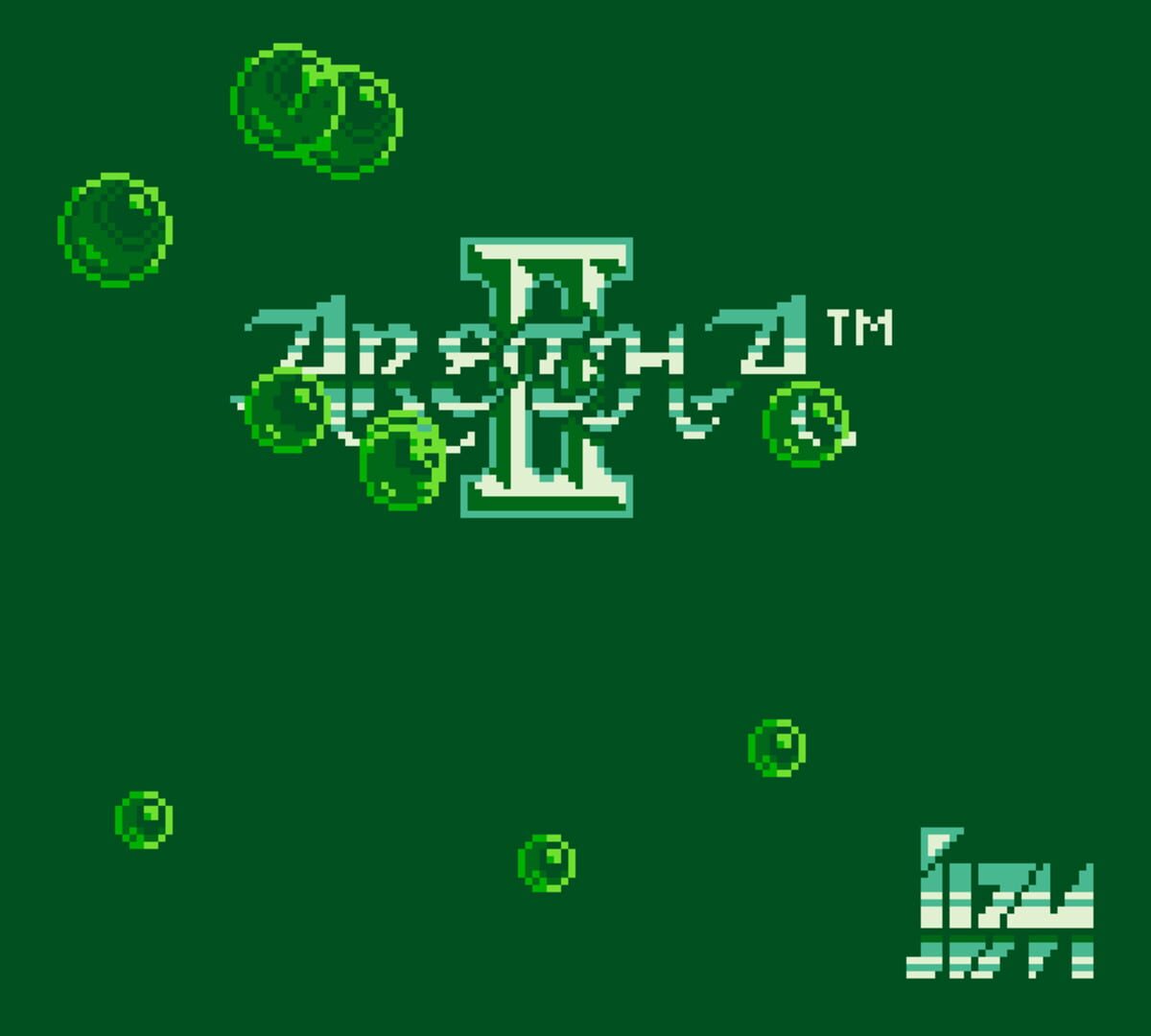
Aretha II is set one year after the events of the first game, Aretha (1990). Materia Weathers celebrates her 18th birthday in Halo Halo Town at Old Man Floyd's house. Materia invites her former travelling companions, Doll, to her birthday. Shortly after, she discovers a plot about an evil being named Warwick who is stealing a powerful artifact called the Aretha-gi. This leads Materia and her friends to recover this item and save the world.
The battle system is still similar to the first game. It adds a "technical attack" system and removes the magical effects from weapons that were in the first game. Weapons in battle now also have the possibility of breaking, and can be repaired with items.
Development
Aretha II was the second game in the Aretha series. Like the previous title, it was developed by Japan Art Media (JAM). Mitsuru Takahashi of JAM said that Aretha was conceived to be a three-part series.
The game's development was announced as being 50% complete by April 1991. When asked about the difficulty of a forest section in the game, Takahashi said that he did not intend for the game to become difficult on purpose. He said that it only turned out this way as he grew up playing more challenging games.
Reception
Takahashi said the response to Aretha II was lackluster.
Four writers for the Japanese magazine Famicom Tsūshin reviewed the game. While one reviewer found the game's side-scrolling to move too slowly, critic Hirokazu Hamamura said that adjusting the moving speed to really high in the menu made the game way too fast. While Hamamura complimented the ability to talk to party members and the monster-catching ability was as fun as ever, another reviewer said that while fun, the large towns and too-similar dungeons were a drawback. Another reviewer complimented the graphics, but said that characters chatted so incessantly that it would give the player an information overload.


