
The articlegameplay, story, development, reception
Gameplay
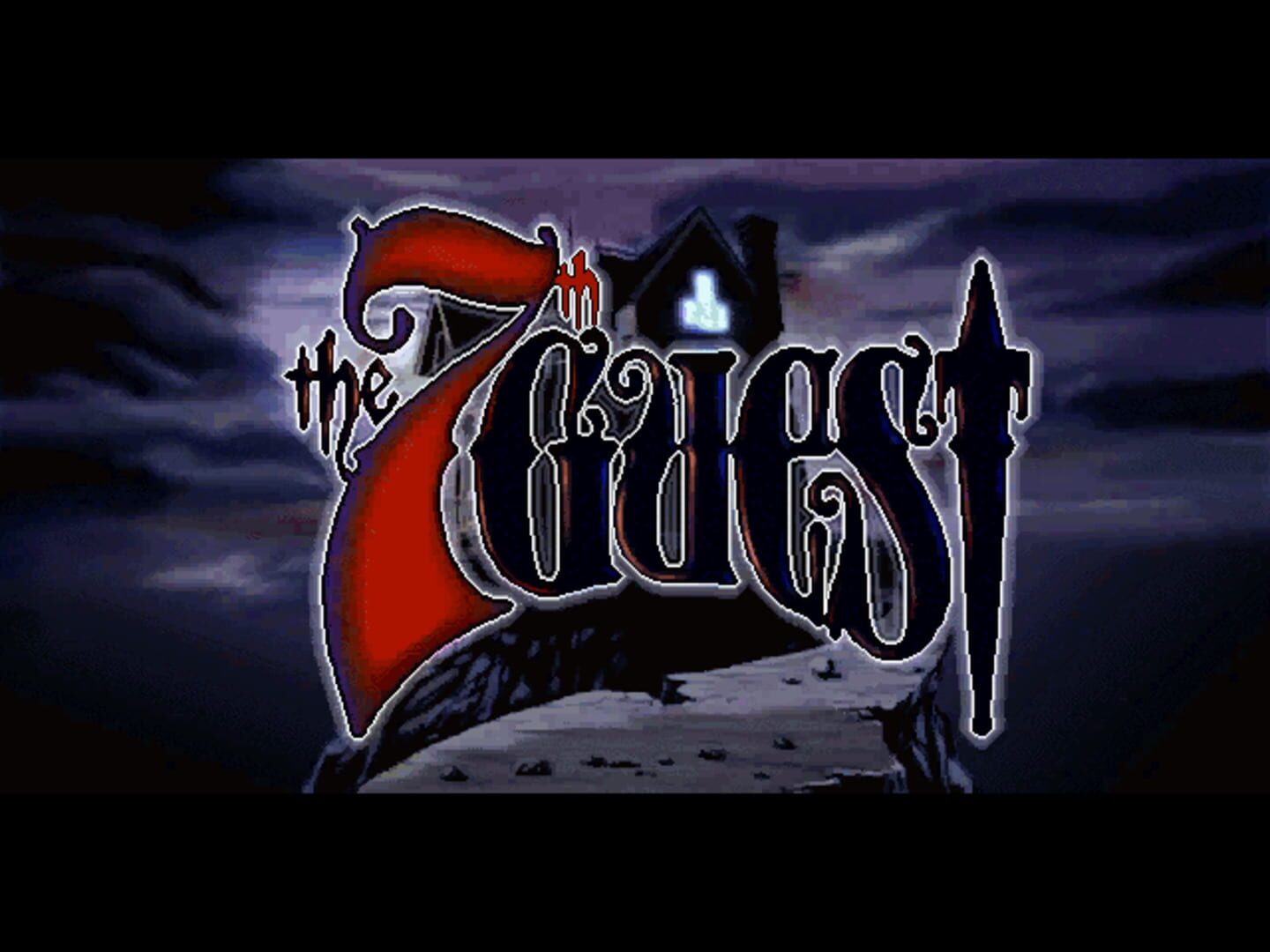
The game is played by wandering through a mansion, solving logic puzzles and watching videos that further the story. The main antagonist, Henry Stauf, is an ever-present menace, taunting the player with clues, mocking the player as they fail his puzzles ("We'll all be dead by the time you solve this!"), and expressing displeasure when the player succeeds ("Don't think you'll be so lucky next time!").
A plot of manipulation and sin is gradually played out, in flashback, by actors through film clips as the player progresses between rooms by solving twenty-one puzzles of shifting nature and increasing difficulty. The first puzzles most players encounter are either one where players must select the right interconnected letters inside the lens of a telescope to form a coherent sentence; or a relatively simple cake puzzle, where the player has to divide the cake evenly into six pieces, each containing the same number of decorations. Other puzzles include mazes, chess problems, logical deductions, Simon-style pattern-matching, word manipulations, and a difficult game of Ataxx, similar to Reversi. For players who need help or cannot solve a particular puzzle, there is a hint book in the library of the house.
Story
The game begins with a flashback to 1935 in the town of Harley-on-the-Hudson. A drifter named Henry Stauf kills a woman to steal her purse, beginning a series of deplorable acts. He has a vision of a beautiful doll, and the next day begins carving it. He trades the doll for food, drink and a place to stay at a local tavern.
Stauf has other visions of dolls and toys, and crafts and sells these as well. Stauf becomes a successful toymaker. He uses his fortune to build a mansion at the edge of town, following another vision. At the same time, several children possessing Stauf's toys contract a mysterious illness and die.
Development
The 7th Guest was the brainchild of game designer/graphic artist Rob Landeros, and a Virgin Mastertronic programmer, Graeme Devine. When Landeros and Devine presented their idea for the game to Martin Alper, CEO of Virgin Games, they were promptly "fired" so that with Virgin's help they could start their own company, Trilobyte, dedicated solely to the development of this game. The game's POV video of walking through the house was originally planned as a live-action video in a practical set, but the idea was abandoned after pre-rendered 3D sequences proved feasible and more cost-effective.
After creating the design document Devine and Landeros gave it to writer Matthew Costello. The developers chose to use 24-bit Super VGA graphics and a simple, textless, TV remote control-like user interface to make the game the answer to the question "What would Mom play?", and to simplify porting to game consoles such as the SNES-CD. Devine created the GROOVIE game engine, which allowed continuous streaming of data from CD-ROM, ran on multiple platforms, and was reusable. The 7th Guest was the first graphic adventure to use 640x320 graphics with 256 colors; Trilobyte reportedly spent more than $500,000 over more than two years to produce the graphics. George Sanger created the soundtrack.
Reception
The PC version of the game received generally positive reviews from critics. Jim Trunzo of White Wolf stated that "The 7th Guest is a brilliant piece of software that heralds new standards. While it isn't a perfect piece of programming, it's a great start towards that elusive goal." Chuck Miller of Computer Gaming World was critical of the game, calling it "a nightmare and a dream" and stating that despite its lengthy delay, the game should have been developed further.
While praising the "rich, enjoyable gaming experience", he found that the minimum system requirements were unrealistic and encountered stability and software incompatibility issues. Miller concluded that he felt "deprived of the full pleasure" of playing the game, and the testing done prior to its release was insufficient. The magazine stated in April 1994 that the game was "consistently ranking high in our [reader] polls", and recommended it to puzzle fans who "want to see and hear some of the most exceptional computer graphics and music created to date". Electronic Entertainment called it "the first truly compelling interactive CD-ROM game".
Legacy
The 7th Guest and Myst are considered to be the killer apps that popularized CD-ROM for computer systems.
Trilobyte released a sequel of The 7th Guest titled The 11th Hour in December 1995. The game's reception was initially mixed and did not sell as well as expected. Plans for further sequels to the series were initiated, but never completed due to the initial demise of the company. Landeros attempted to create his own official third installment titled The 7th Guest Part III: The Collector, releasing a trailer for the game onto his official website, only for the trailer to disappear and no further information on the series being released.


