
The articlegameplay, story, development, reception
Gameplay
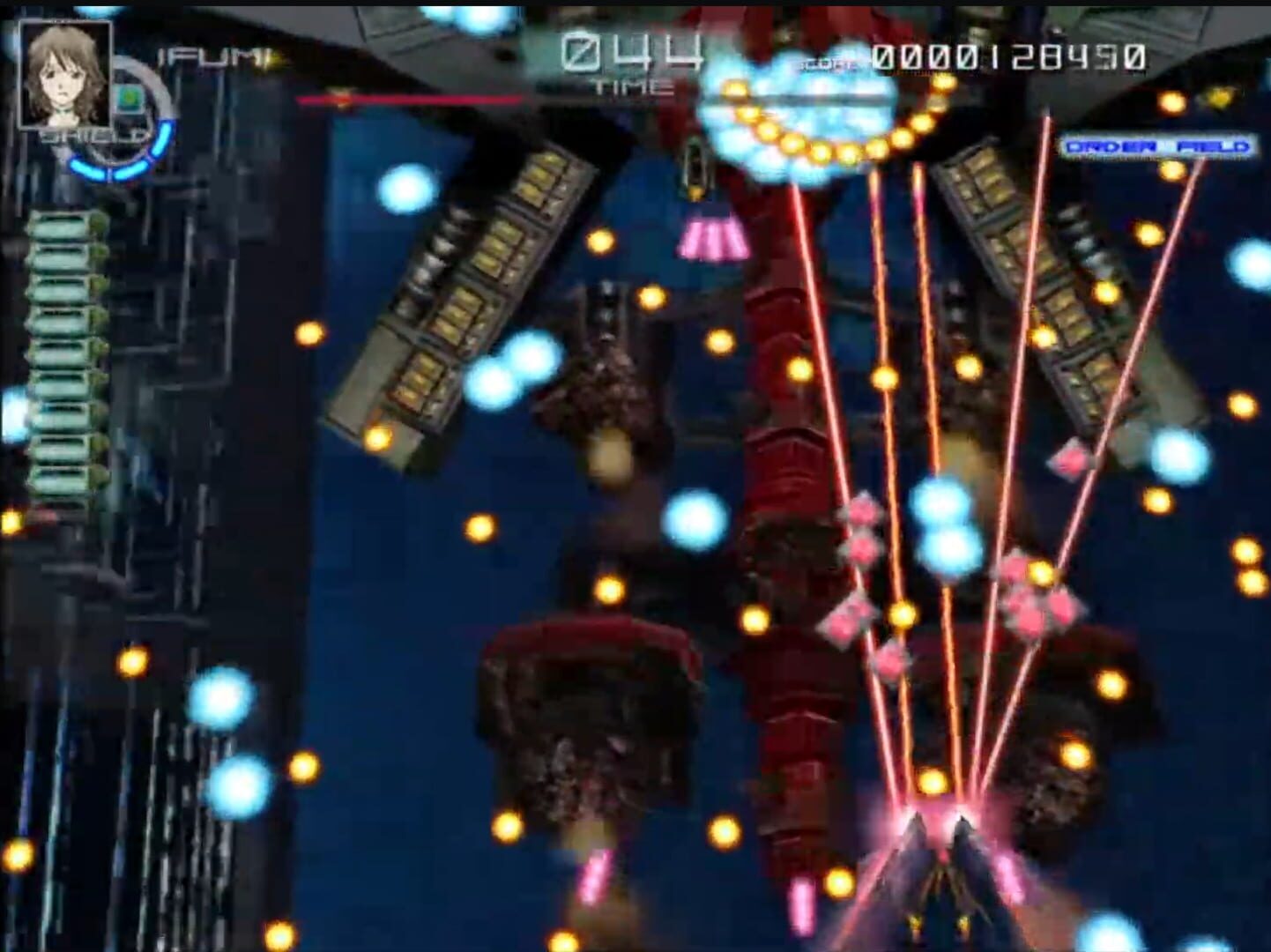
Chaos Field is a vertically scrolling shoot 'em up with consecutive boss battles. The game features five stages, each with three bosses to defeat. The player can choose to play as one of three characters, each with their own ship that has a unique primary weapon: a spread shot, a lock-on laser, or bolts of lightning. Each ship is equipped with a short-range sword that can destroy bullets and inflict damage on enemy ships.
Each player ship also has two special abilities, one being a type of homing weapon that locks onto enemies and the other being a deployable shield that absorbs bullets. The specifics of how these special abilities function differs slightly between ships.
Development
, who were desiring to make a shooter of their own. The company was founded by former Compile employees in 2003 after Compile went bankrupt. Most of the staff originally joined Compile because of the company's positive reputation with shooting games like the Aleste series, but were left unsatisfied from Compile's growing focus on other franchises like Puyo Puyo. The team decided to develop the game for Sega's NAOMI arcade platform since they were experienced with it and had a working relationship with Sega.
Development was funded by their publisher Able Corporation and by subcontract work on other games. According to sound and art designer Daisuke Nagata, the game experienced a troubled development cycle due to a lack of organization and the number of employees involved. The team had a working prototype by September 2003 but scrapped this iteration and started anew when they determined it did not feel right. This version of the game had the player controlling a giant robot flying through stages set in real Japanese cities.
Reception
Critics found Chaos Field to be a generic shooter. IGN wrote that "the entire effort screams cookie-cutter design" but that it "manages to deliver an entertaining dose of gameplay within a completely average looking shooter." Gamezilla and GamesRadar also described the game as "standard". Several critics compared the game unfavorably to other shoot 'em ups since it is overly traditional and lacking in distinguishing qualities.
In particular, some critics found the game inferior to Ikaruga, another arcade shooter ported to the GameCube. Some critics like IGN only recommended Chaos Field to hardcore fans of the genre who desired to attain the highest scores, and pointed casual players to Ikaruga.


