The articlegameplay, story, development, reception
Gameplay
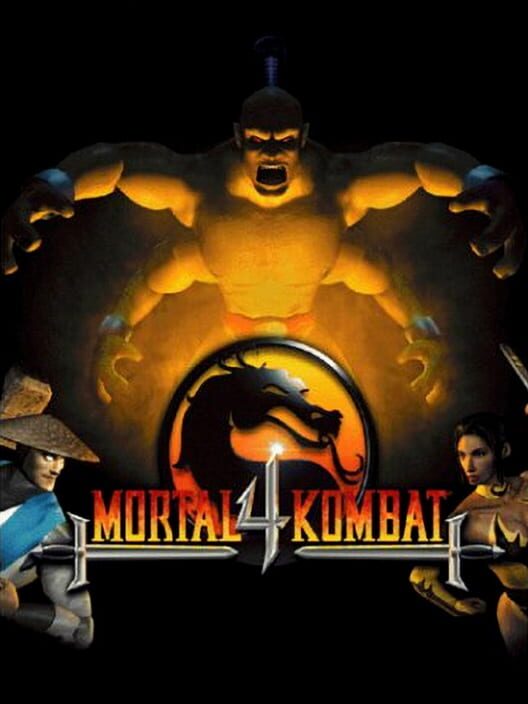
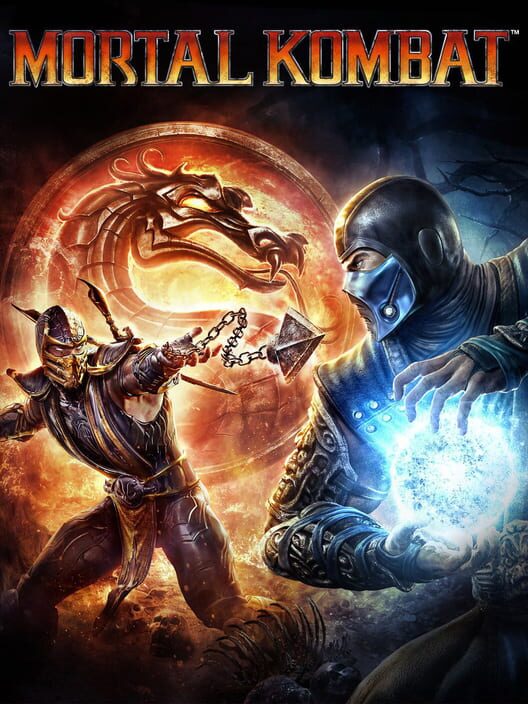
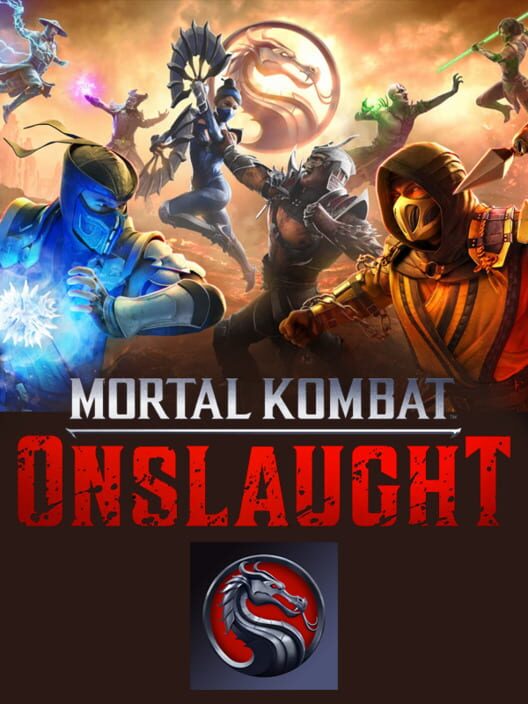
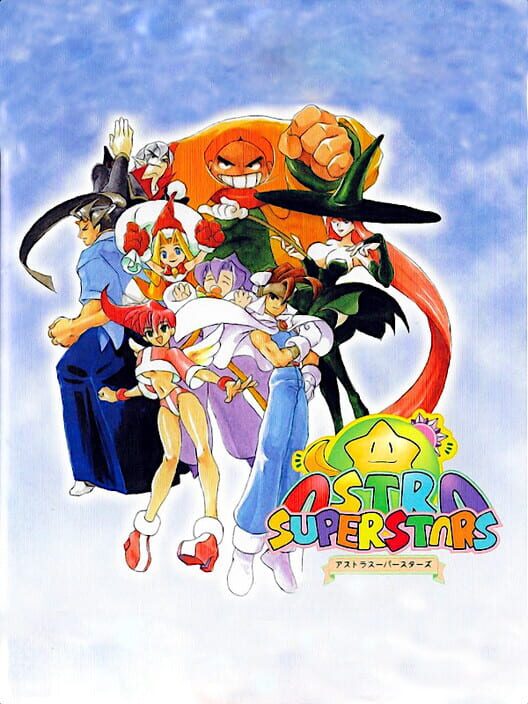
The game compiles multiple versions of the first four Mortal Kombat arcade fighting games, including many of their home console and portable versions, as well as select spinoffs and handheld entries. The compilation includes the first public release of the "WaveNet" version of Ultimate Mortal Kombat 3, which was only briefly available during limited arcade location tests in 1997 and was presumed lost. All games in the collection support online multiplayer with rollback netcode. A "Fatality Trainer" mode allows players to practice performing the game's fatality moves.
Optional menu toggles allow players to unlock each game's hidden content, as well as access developer menus and other hidden options. The game features substantial behind-the-scenes material, including interviews with original development team members such as Ed Boon, John Tobias, John Vogel and Dan Forden, using the same "interactive timeline" format seen in other Digital Eclipse compilations such as Atari 50. Character profiles and timelines that summarize the series' narrative are also included. Other features include a music player, optional CRT filters, and the ability to rewind gameplay.
The 23 games and versions included in Mortal Kombat: Legacy Kollection are:
Reception
Mortal Kombat: Legacy Kollection received "generally favorable" reviews from critics, according to review aggregator website Metacritic.
The game received criticism at launch with players reporting issues relating to input lag, audio distortions, and incomplete or missing features, leading to a "Mixed" rating on Steam. On November 4, 2025, it was reported that players were offered refunds on the PlayStation Store. On the same day, developer Digital Eclipse released a patch that attempted to address the issues.
Mortal Kombat: Legacy Kollection was nominated for "Best Fighting Game" at The Game Awards 2025, and won "Fighting Game of the Year" at the 29th Annual D.I.C.E. Awards.