


1996 · Core Design · Action-adventure · Adventure
Tomb Raider
Tomb Raider is a 3D action game developed by Core Design and published by Eidos Interactive. The game follows the exploits of Lara Croft, a British female archaeologist in search of ancient treasures.
- Released
- 25 October 1996
- Platforms
- GameCubeMS-DOSMobileN-GageNintendo 64Nintendo DSPlayStationPlayStation 3PlayStation PortableSega SaturnWiiWindowsWindows MobilemacOS
- Genres
- Action-adventureAdventurePlatformerPuzzleShooter
- Developers
- Core DesignCrystal DynamicsNixxes SoftwareUbisoft Milan
- Publishers
- Eidos InteractiveSquare Enix
- Series
- Tomb Raider
- Perspective
- Third person
- Themes
- ActionSurvival
- Country
- United Kingdom
- Copies sold
- 100 million as of 2024-10-11
About
Tomb Raider, also known under Lara Croft: Tomb Raider from 1996 to 2008, is a media franchise that originated with an action-adventure video game series created by British developer Core Design. The franchise is currently owned by Embracer Group and operated by CDE Entertainment; it was formerly owned by Eidos Interactive, then by Square Enix Europe after Square Enix's acquisition of Eidos in 2009 until Embracer Group purchased the intellectual property alongside Eidos in 2022. The franchise focuses on the fictional British archaeologist Lara Croft, who traverses the globe in search of lost artefacts, infiltrating dangerous tombs, ruins and militia along her journey. Gameplay generally focuses on exploration, solving puzzles, navigating hostile environments filled with traps, and fighting enemies. Additional media has been developed for the franchise in the form of film adaptations, comics, soundtracks and novels.
Development of the first Tomb Raider video game began in 1994; it was released two years later. Its critical and commercial success prompted Core Design to develop a new game annually for the next four years, which put a strain on staff. The sixth game, Tomb Raider: The Angel of Darkness, faced difficulties during development and was considered a failure at release. This prompted Eidos to switch development duties to Crystal Dynamics, which has been the series' primary developer since. Other developers have contributed to spin-off titles and ports of mainline entries.
›Story
Lara Croft is a Tomb Raider, an archaeologist who explores ancient sites in search of valuable artifacts, who is hired to retrieve an artifact from a tomb in Peru, which turns out to be one of three parts of the Atlantean Scion. Soon betrayed by her employer, Lara Croft travels to Greece, Rome and Egypt to recover the other parts before this powerful device falls into the wrong hands.
Keywords
- helicopter
- hunting
- exploration
- dinosaurs
- bloody
- murder
- parkour
- mascot
- artifacts
- death
- horse
- run and gun
Media
The articlegameplay, story, development, reception
Development
The concept for Tomb Raider originated in 1994 at Core Design, a British game development studio. One of the people involved in its creation was Toby Gard, who was mostly responsible for creating the character of Lara Croft. Gard originally envisioned the character as a man: company co-founder Jeremy Heath-Smith was worried the character would be seen as derivative of Indiana Jones, so Gard changed the character's gender. Her design underwent multiple revisions and redrafts during early development.
The game proved an unexpected commercial success, reversing Eidos' then-bleak financial situation. After the success of Tomb Raider, work began on a sequel. Gard was no longer given creative control of the character, and it was stated by development staff that he was both saddened and disappointed by the use of Lara Croft's sex appeal in marketing. Gard left Core Design in 1997, alongside Tomb Raider co-creator Paul Douglas, to found their own gaming company Confounding Factor.
Reception
Upon release, Tomb Raider became an unexpected success, reaching the top of sales charts and remaining for a time. It went on to sell over 7 million units worldwide. Tomb Raider II was a greater commercial success, with debut sales higher than the first game and total worldwide sales of 8 million units. 5 million units.
While The Angel of Darkness met with initial strong sales, it failed to meet expectations due to publisher pressure. Since the release of Legend, the series has picked up in terms of sales, popularity, and critical acclaim. The 2013 reboot sold 11 million units, becoming the most commercially successful Tomb Raider title to date. By 2021, the series had sold over 85 million units worldwide.
Speedruns
- Any%TrexOfTerror54m 38s
- Secretstom_bow_1h 16m 09s
- Max%tom_bow_2h 27m 42s
Releases by platformdates and regions as published
Editions and related releases
- Included in
- Tomb Raider AnthologyTomb Raider 1+2+3Gold Games 3Tomb Raider Collection 1
- Derivative works
- Lara Croft: Tomb RaiderLara Croft: Tomb Raider – The Cradle of LifeTomb RaiderRevisioned: Tomb RaiderTomb Raider: The Legend of Lara CroftTomb Raider comicsTomb Raider novelsTomb Raider : Dark AeonsTomb Raider Collectible Card GameCome AliveFemale Icon
- Expanded editions
- Tomb Raider: Gold
- Ported as
- Tomb Raider
- Remade as
- Tomb Raider: Legacy of AtlantisTomb Raider: 10th Anniversary EditionTomb Raider: Anniversary
- Remastered as
- Tomb Raider
- Basis for
- Tomb Raider: LegendTomb Raider (TV series)
In the same series
 83
Tomb Raider
1996 · Android, MS-DOS +11
Core Design
 Timed Xbox67
Tomb Raider: Legend
2006 · Game Boy Advance, GameCube +8
Crystal Dynamics
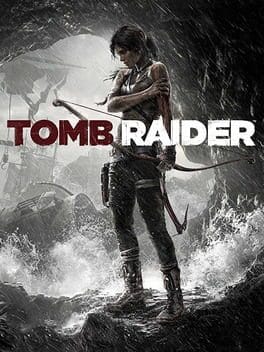 83
Tomb Raider: Definitive Edition
2013 · Android, Linux +5
Crystal Dynamics
 PlayStation exclusive80
Tomb Raider II
1997 · Android, PlayStation +4
Core Design
 73
Tomb Raider: Anniversary
2007 · Remake · OnLive Game System, PlayStation 2 +6
Crystal Dynamics
 Timed Xbox84
Rise of the Tomb Raider: 20 Year Celebration
2015 · Linux, PlayStation 4 +6
Crystal Dynamics
 PlayStation exclusive77
Tomb Raider III
1998 · PlayStation, PlayStation 3 +3
Core Design
 73
Tomb Raider: Underworld
2008 · Browser, Nintendo DS +7
Crystal Dynamics
 79
Shadow of the Tomb Raider: Definitive Edition
2018 · Linux, Nintendo Switch 2 +7
Eidos Montreal
 76
Tomb Raider: The Last Revelation
1999 · Dreamcast, PlayStation +4
Core Design
 64
Tomb Raider: Chronicles
2000 · Dreamcast, PlayStation +5
Core Design
 PlayStation exclusive62
Tomb Raider: The Angel of Darkness
2003 · PlayStation 2, Windows +1
Core Design
 Nintendo exclusive83
Tomb Raider (GBC video game)
2000 · Game Boy Color
Core Design
 Nintendo exclusive
Tomb Raider: Curse of the Sword
2001 · Game Boy Color
Core Design
 Nintendo exclusive60
Tomb Raider: The Prophecy
2002 · Game Boy Advance
Core Design
 77
Lara Croft and the Guardian of Light
2010 · Android, BlackBerry PlayBook +7
Crystal Dynamics
 73
Lara Croft and the Temple of Osiris
2014 · Nintendo Switch, PlayStation 4 +3
Crystal Dynamics
 PlayStation exclusive82
Lara Croft Go
2015 · Android, Linux +5
Square Enix Montréal
 39
Lara Croft: Relic Run
2015 · Android, Windows +1
Simutronics
 70
Tomb Raider Reloaded
2023 · Android, iOS
 75
Tomb Raider I-III Remastered
2024 · Bundle · Android, Nintendo Switch +7
Aspyr
 77
Tomb Raider IV-VI Remastered
2025 · Bundle · Nintendo Switch, PlayStation 4 +4
Aspyr

Tomb Raider: Legacy of Atlantis
2027 · Remake · Nintendo Switch 2, PlayStation 5 +2
Crystal Dynamics

Tomb Raider: Catalyst
2028 · PlayStation 5, Windows +1
Crystal Dynamics
Games like this
 64
Resident Evil 6
2012 · Nintendo Switch, PlayStation 3 +4
Action-adventure · Adventure
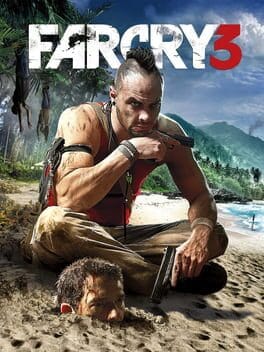 86
Far Cry 3 Classic
2012 · PlayStation 3, PlayStation 4 +3
Action-adventure · Adventure
 87
Dead Space
2008 · PlayStation 3, Windows +1
Puzzle · Shooter
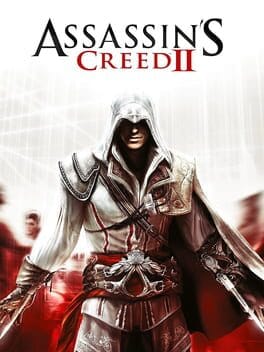 88
Assassin's Creed II
2009 · PlayStation 3, Windows +2
Action-adventure · Adventure
 89
BioShock Infinite
2013 · Linux, Nintendo Switch +6
Adventure · Shooter
 76
Resident Evil 5: Gold Edition
2009 · PlayStation 3, Windows +1
Action-adventure · Adventure
 81
Metro: Last Light
2013 · Linux, PlayStation 3 +4
Shooter · Traps
 77
Mafia II: Definitive Edition
2010 · PlayStation 3, PlayStation 4 +3
Action-adventure · Adventure
Collections1 collection
Reception and records
Description adapted from its source, CC BY-SA 4.0.