The articlegameplay, story, development, reception
Gameplay
The Sonic series is characterized by speed-based platforming gameplay. Controlling the player character, the player navigates a series of levels at high speeds while jumping between platforms, fighting enemies and bosses, and avoiding obstacles. The series contains both 2D and 3D games. 2D entries generally feature simple, pinball-like gameplay—with jumping and attacking controlled by a single button—and branching level paths that require memorization to maintain speed.
Meanwhile, 3D entries tend to be more linear in design, feature various level objectives, different movesets, and allow players to upgrade and customize the playable character. Games since Sonic Unleashed have blended 2D and 3D gameplay, with the camera shifting between side-scrolling and third-person perspectives.
One distinctive game mechanic of Sonic games are collectible golden rings spread throughout levels, which act as a form of health. Players possessing rings can survive upon sustaining damage, but the rings are scattered and the player has a short amount of time to re-collect some of them before they disappear. Collecting 100 rings usually rewards the player an extra life. Rings have other uses in certain games, such as currency in Sonic '06, restoring health bars in Sonic Unleashed, or improving statistics in Sonic Riders.
Levels in Sonic games feature elements such as slopes, bottomless pits, and vertical loops. Springs, springboards, and dash panels are scattered throughout and catapult the player at high speeds in a particular direction. Players' progress in levels is saved through passing checkpoints. Checkpoints serve other uses in various games, such as entering bonus stages.
Some settings, particularly Green Hill Zone, recur throughout the series.
The series contains numerous power-ups, which are held in boxes that appear throughout levels. An icon indicates what it contains, and the player releases the item by destroying the box. Common items in boxes include rings, a shield, invincibility, high speed, and extra lives. Sonic Colors introduces the Wisps, a race of extraterrestrial creatures that act as power-ups.
Each Wisp has its own special ability corresponding to its color; for instance, yellow Wisps allow players to drill underground and find otherwise inaccessible areas. Since Sonic Rush, most Sonic games have featured "boosting", a mechanic that immediately propels Sonic forward at top speed when activated. While boosting, Sonic can smash through objects, destroy enemies instantly, or access different level paths. This requires players to react to forthcoming obstacles quickly; Sonic Unleashed introduced side-stepping and drifting maneuvers to allow players to maintain speed.
The boosting mechanic uses a gauge replenished by collecting rings or Wisps.
In most Sonic games, the goal is to collect the Chaos Emeralds; the player is required to collect them all to defeat Eggman and achieve the games' good endings. Sonic games that do not feature the Chaos Emeralds, such as Sonic CD, feature different collectibles that otherwise function the same. Players find the Emeralds by entering portals, opening portals using 50 rings, or scouting them within levels themselves. Sometimes, the Emeralds are collected automatically as the story progresses.
By collecting the Emeralds, players are rewarded with their characters' "Super" form and can activate it by collecting 50 rings in a stage. The Super transformations grant the player character more speed, a farther jump, and invincibility, but their ring count drains by the second; the transformation lasts until all the rings have been used. Some games require the player to collect all the Chaos Emeralds to reach the final boss.
Sonic games often share basic gameplay, but some have game mechanics that distinguish them from others. For instance, Knuckles' Chaotix is similar to previous entries in the series, but introduces a partner system whereby the player is connected to another character via a tether; the tether behaves like a rubber band and must be used to maneuver the characters. Sonic Unleashed introduces the Werehog, a beat 'em up gameplay style in which Sonic transforms into a werewolf-like beast and must fight enemies using brute strength. Both the Sonic Storybook games feature unique concepts: Secret Rings is controlled exclusively using the Wii Remote's motion detection, while Black Knight incorporates hack and slash gameplay.
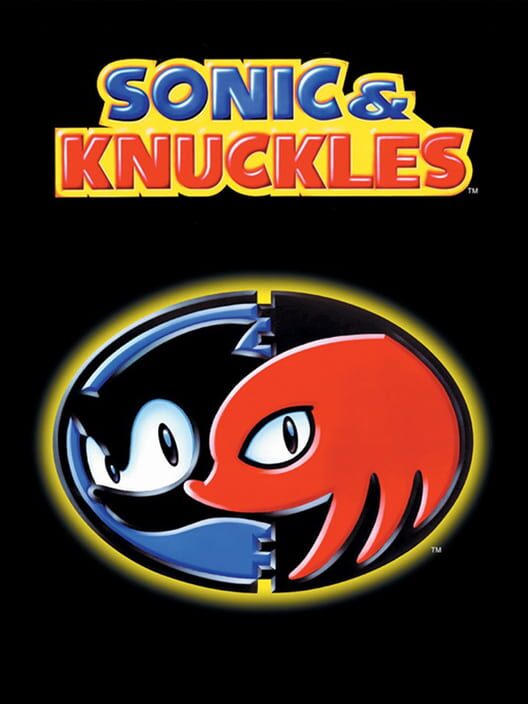
While some games feature Sonic as the only playable character, others feature multiple, who have alternate movesets and storylines. For instance, in Sonic & Knuckles, Knuckles goes through the same levels as Sonic, but his story is different, he explores different parts of the levels, and certain areas are more difficult.
Many Sonic games contain multiplayer and cooperative gameplay, beginning with Sonic the Hedgehog 2. In some games, if the player chooses to control Sonic and Tails together, a second player can join at any time and control Tails separately. Sonic games also feature a split-screen competitive mode in which two players race to the end of the stage.
Development
By 1990, the Japanese video game company Sega wanted a foothold in the video game console market with its 16-bit console, the Sega Genesis. Sega's efforts had been stymied by the dominance of Nintendo; the Genesis did not have a large install base and Nintendo did not take Sega seriously as a competitor. Sega of America CEO Michael Katz attempted to challenge Nintendo with the "Genesis does what Nintendon't" marketing campaign and by collaborating with athletes and celebrities to create games. These efforts did not break Nintendo's dominance, and Katz was replaced by Tom Kalinske, formerly of Mattel.
Sega president Hayao Nakayama decided Sega needed a flagship series and mascot to compete with Nintendo's Mario franchise. Nintendo had recently released Super Mario Bros. 3, at the time the bestselling video game ever. Sega's strategy had been based on porting its successful arcade games to the Genesis; however, Nakayama recognized that Sega needed a star character in a game that could demonstrate the power of the Genesis's hardware.
An internal contest was held to determine a flagship game, with a focus on the American audience. Among the teams working on proposals were artist Naoto Ohshima and programmer Yuji Naka. The gameplay of Sonic the Hedgehog (1991) originated with a tech demo created by Naka, who had developed an algorithm that allowed a sprite to move smoothly on a curve by determining its position with a dot matrix. Naka's prototype was a platform game that involved a fast-moving character rolling in a ball through a long winding tube.
Sega management accepted the project, and the designer Hirokazu Yasuhara joined the team.
The focus shifted to the protagonist, who Sega hoped could become its mascot. The protagonist was initially a rabbit able to grasp objects with prehensile ears, but this proved too complex for the hardware. The team moved on to animals that could roll into a ball, and eventually settled on Sonic, a teal hedgehog created by Ohshima. Naka's prototype was expanded with Ohshima's character design and levels conceived by Yasuhara.
Sonic's color was chosen to match Sega's cobalt blue logo, and his red and white shoes were inspired by the cover of Michael Jackson's 1987 album Bad. His personality was based on then-Governor of Arkansas Bill Clinton's "can-do" attitude. The antagonist, Doctor Eggman, was another character Ohshima had designed for the contest. The team thought the abandoned design was excellent and redesigned it as a villain.
The team took the name Sonic Team for the game's release.
Sonic's first appearance came in Sega AM3's racing game Rad Mobile (1991) five months before the release of Sonic the Hedgehog, as an ornament hanging from the driver's rearview mirror. The Sonic developers let AM3 use Sonic because they were interested in making him visible to the public. According to Mark Cerny, who worked in Tokyo as an intermediary between the Japanese and American Sega offices, the American staff felt that Sonic had no appeal. Although Katz was certain that Sonic would not be popular with American children, Kalinske arranged to place Sonic the Hedgehog as the pack-in game with the Genesis.
Featuring speedy gameplay, Sonic the Hedgehog received critical acclaim. It greatly increased the popularity of the Sega Genesis in North America, credited with helping Sega gain 65% of the market share against Nintendo.
Naka was dissatisfied with his treatment at Sega and felt he received little credit for his involvement in the success. He quit but was hired by Cerny to work at the US-based Sega Technical Institute (STI), with a higher salary and more creative freedom. Yasuhara also moved to STI. STI began work on Sonic the Hedgehog 2 (1992) in November 1991.
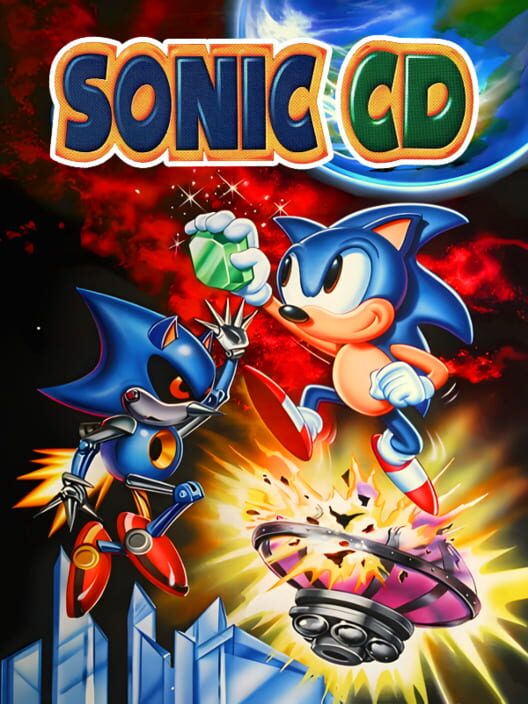
Level artist Yasushi Yamaguchi designed Sonic's new sidekick, Tails, a flying two-tailed fox inspired by the mythological kitsune. Like its predecessor, Sonic the Hedgehog 2 was a major success, but its development suffered from the language barrier and cultural differences between the Japanese and American developers. While STI developed Sonic 2, Ohshima led a team in Japan to create Sonic CD for the Genesis's CD-ROM accessory, the Sega CD; it began as a port of the first game but evolved into a separate project.
After development on Sonic 2 concluded, Cerny departed and was replaced by Roger Hector. STI divided into two teams: the Japanese developers led by Naka, and the American developers. The Japanese began work on Sonic the Hedgehog 3. It was initially developed as an isometric game using the Sega Virtua Processor chip, but was restarted as a more conventional side-scrolling game after the chip was delayed.
It introduced Sonic's rival Knuckles, created by artist Takashi Thomas Yuda. Due to an impending promotion with McDonald's and cartridge size constraints, the project was split in two: the first half, Sonic 3, was released in February 1994, and the second, Sonic & Knuckles, in October of the same year. The Sonic & Knuckles cartridge contains an adapter that allows players to connect it to Sonic 3, creating a combined game, Sonic 3 & Knuckles. Sonic 3 and Sonic & Knuckles, as with their predecessors, were acclaimed.
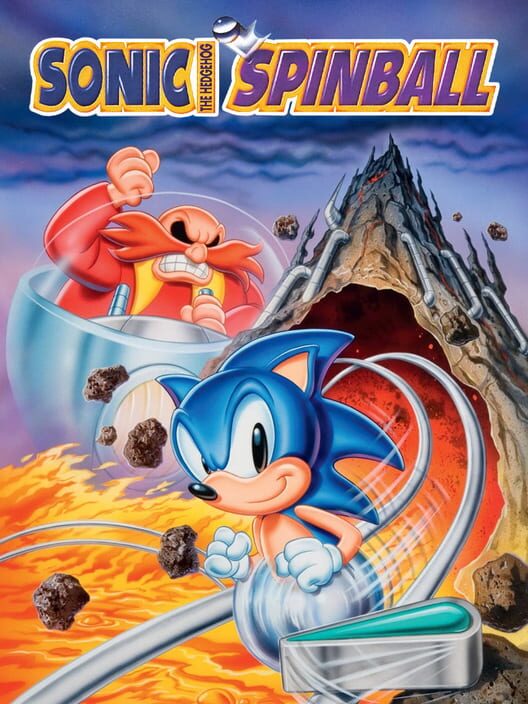
To release a Sonic game in time for the 1993 holiday shopping season, Sega commissioned the American team to make a new game, the spin-off Sonic Spinball. While Spinball received mixed reviews, it sold well and helped build the reputation of its developers.
A number of Sonic games were developed for Sega's 8-bit consoles, the Master System and the handheld Game Gear. The first, an 8-bit version of the original Sonic, was developed by Ancient to promote the Game Gear and released in December 1991. Aspect Co. developed most of the subsequent 8-bit Sonic games, beginning with Sonic 2.
Other Sonic games released during this period include Dr. Robotnik's Mean Bean Machine (1993), a Western localization of the Japanese puzzle game Puyo Puyo (1991), SegaSonic the Hedgehog (1993), an arcade game
Reception
The Sonic platformers released during the 1990s were acclaimed and have been listed among the greatest video games of all time. The original Sonic was touted as a faster, cooler alternative to Nintendo's Super Mario World (1990). According to Kotaku's Zolani Stewart, Sonic's rebellious character was representative of the culture of the 1990s, "when the idea of individual rebellion seemed inextricably linked to consumer culture". Writing in The Guardian, Keith Stuart observed that Sonic the Hedgehog's emphasis on speed departed from accepted precepts of game design, requiring that players "learn through repetition rather than observation" as "the levels aren't designed to be seen or even understood in one playthrough...
Sonic is incorrect game design and yet ... it's a masterpiece." Sonic 2, Sonic CD, Sonic 3, and Sonic & Knuckles were praised for building on the first game's formula; in 1996, Next Generation described them as "the zeitgeist of the 16-bit era".
After the uneventful Saturn era, the series found renewed popularity during the sixth generation of video game consoles. Sonic Adventure, though criticized for its glitches and camera system, was acclaimed for its visuals, spectacle, and varied gameplay; Sonic Adventure 2 was met with similar praise. However, journalists began to feel the series was straying from its roots, with some commenting that Sonic Adventure failed to reinvent Sonic for the 3D era as Super Mario 64 had for Mario. Stewart argued that the addition of voice acting and greater focus on plot changed Sonic into "a flat, lifeless husk of a character, who spits out slogans and generally has only one personality mode, the radical attitude dude, the sad recycled image of vague '90s cultural concept". Edwin Evans-Thirlwell of Eurogamer agreed, writing that Mario's "plucky earnestness and whimsy will always enjoy a longer shelf-life than [Sonic's] over-compensatory edginess".
After the Dreamcast, the series' critical standing declined. Evans-Thirlwell summarized further 3D Sonic games as "20-odd years of slowly accumulating bullshit". Although reviews for Sonic Heroes were mostly favorable, Stewart said this was when the focus on story and cutscenes became unbearable. Shadow the Hedgehog was widely criticized as a misguided attempt to bring a sense of maturity to the franchise, and Sonic '06 was critically panned.
The Sonic Mania developer Christian Whitehead said that the changes to the Sonic formula "stemmed from a – perhaps misplaced – desire to continue to push Sonic as a AAA brand". Journalists, Whitehead, and the former Sega of America marketing director Al Nilsen criticized the number of characters added to the series, which Naka had justified as necessary to please fans. Evans-Thirlwell argued that Sonic Team had never successfully translated the momentum-based gameplay of the Genesis games to 3D, and that unlike Mario, Sonic never had a 3D "transcendental hit". Simon Parkin of The Guardian noted that whereas the Mario creator Shigeru Miyamoto reviews every Mario game prior to release, the individuals who had shaped Sonic (Naka, Ohshima, and Cerny) left Sega.
Despite the critical decline, Dimps' side-scrolling Sonic games for the GBA and DS were consistently praised. Writing for Destructoid, James Stephanie Sterling said: "Hyperbole states that we haven't had a good Sonic game since Sonic Adventure, which really betrays how much we gamers ignore the handheld market... Sonic Advance and the Sonic Rush games have often ranged from decent to superb, which makes one wonder why Dimps is the 'B' team and the inferior Sonic Team is the 'A' team." In the wake of the 2006 Sonic the Hedgehog, Brett Elston of GamesRadar+ said that Sonic Rush Adventure had "managed to keep the [series'] spirit alive".
Sonic Unleashed was criticized for its addition of beat 'em up gameplay, which IGN's Hilary Goldstein felt had "nothing to do with Sonic whatsoever". Critics suggested that Unleashed would have been better received if it had focused on its speed-based platforming levels, which were widely praised.
In October 2010, Sega delisted Sonic games with average or below-average scores on the review aggregator website Metacritic, to increase the value of the brand and avoid confusing customers. That month, Sonic the Hedgehog 4: Episode I was released to general praise, with Goldstein describing it as "short but sweet and well worth downloading". Sonic Colors, released shortly afterward, was hailed as a return to form, as was 2011's Sonic Generations. Though Evans-Thirlwell considered Sonic Generations the best 3D Sonic game, he called it "an admission of defeat" for depicting the 2D and 3D incarnations of Sonic "together only to remind us of their profound differences".
Sonic Lost World was released in 2013 to more mixed reviews, with some critics considering it a fresh take on the Sonic formula and others a poorly designed mess. The two Sonic Boom games received negative reviews and sold only 490,000 copies combined by February 2015, making them the worst-selling Sonic games. That year, Iizuka admitted that Sonic Team had prioritized shipping games over quality and did not have enough involvement in third-party Sonic games such as Sonic Boom. The Sega CEO, Haruki Satomi, acknowledged that Sega in general had "partially betrayed" the trust of the longtime fans and hoped to focus on quality over quantity.
In June 2015, the Sonic public relations manager Aaron Webber took charge of the series' Twitter account. Under Webber, the account, @sonic_hedgehog, became renowned for posting internet memes and making self-deprecating comments about the Sonic franchise's critical decline. According to Allegra Frank of Polygon, Webber "had an important effect on the franchise, cultivating a new persona for the character, one that has created a renewed sense of hope". The announcement of Sonic Mania in 2016 brought further hope for the Sonic franchise's future. Journalists described it as a true contin